
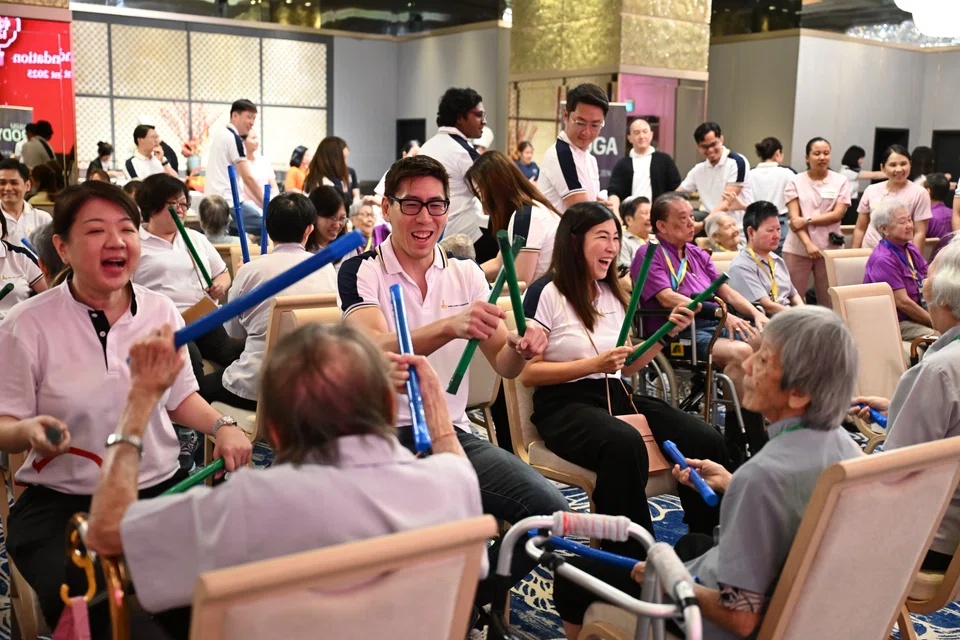
From senior universities to KTV, Chinese elderly embrace active, social lifestyles
China’s 280 million elderly people (60+) aren’t sitting quietly at home—they’re singing karaoke on weekday afternoons, learning photography at senior universities, volunteering in communities, and building friendships that span generations. Understanding how to connect with this vibrant demographic opens doors to rich cultural exchanges, meaningful relationships, and insights into a generation transforming what aging means.
Understanding Today’s Chinese Elderly
Forget stereotypes. Today’s Chinese elderly are educated (36.69 million have high school+ education, up 20.85 million from 2010), digitally engaged (82% of 65-69 age group use smartphones), and socially active (75%+ desire more interaction).
They face real challenges: 42.9% experience life goal anxiety, 25.3% have health concerns, and many deal with loneliness as family structures change (rising rates of empty-nest and solo elderly). But they’re addressing these through community engagement, hobby pursuit, and social connection—creating perfect opportunities for friendship.
Where to Find and Connect
Senior Universities and Learning Centers
Despite only 6.9% enrollment (about 20 million out of 280 million elderly), senior universities represent hotspots for meeting intellectually curious, socially engaged older adults.
Popular Subjects:
- Photography and videography
- Traditional arts (calligraphy, painting, Chinese opera)
- Dance (folk, ballroom, modern)
- Health and wellness
- Digital literacy (smartphone use, social media)
- Languages and cultural studies
How to Connect: Visit local senior universities during open days, offer to teach skills (English, foreign culture, technology), or join as an assistant in classes. The average study time is under 3 hours daily for 92.58% of learners—manageable and enthusiastic audiences.
Senior learning platforms like “Interest Island” have 35 million+ registered users offering photography, yoga, tai chi, and calligraphy—both in-person and online options for connection.
KTV (Karaoke Bars)
This might surprise you: Chinese elderly have made KTV their social headquarters. Data shows 60-80 year-olds account for 60% of daytime customers, with weekday afternoon sessions reaching 80%+ occupancy.
Why It Works:
- Nostalgic 1980s songs (requests up 230%)
- Affordable senior packages (Beijing venues offer “Sunset Red Cards”: ¥390 for 4 sessions of 6 hours)
- Social atmosphere without alcohol pressure
- Emotional expression through familiar music
Connection Strategy: Learn a few classic Chinese songs from the 1980s (“甜蜜蜜” Sweet Honey, “月亮代表我的心” The Moon Represents My Heart). Visit KTV on weekday afternoons. Express genuine interest in the songs’ cultural significance. Music transcends language barriers—enthusiasm matters more than perfect pitch.
Parks and Public Spaces
Every morning (6-9 AM), Chinese parks transform into vibrant community centers. You’ll find:
Activities:
- Tai chi groups
- Morning exercises and dancing
- Singing groups
- Calligraphy practice (water on pavement)
- Chess and card games
- Pet walking (increasingly popular)
Approach: Simply showing up consistently works. Ask politely to join tai chi groups (most welcome beginners). Bring a chess set and observe games—elderly Chinese chess players love teaching interested learners. Compliment their pet if they’re walking one (pets are becoming conversation starters among elderly).
Community Volunteer Programs
Over 70% of community volunteers are elderly, and 75%+ express willingness to participate in community service. This creates natural friendship opportunities through shared purpose.
Volunteer Areas:
- Environmental protection
- Community safety and mediation
- Helping neighbors
- Cultural activities organization
- Educational support
How to Engage: Contact local community centers (居委会) about volunteer opportunities. Elderly volunteers often serve as guides, translators, and cultural ambassadors. Working alongside them builds genuine bonds through shared contribution.
Digital and Social Media
Don’t assume elderly Chinese avoid technology. Research shows:
- 82% of 65-69 age group use smartphones
- 90% learn through short video platforms and educational apps
- Social media use reduces isolation and depression
However, only 10% fully understand AI tools—a gap creating connection opportunities.
Connection Points:
- Offer patient tech assistance (WeChat, video calls with family, online shopping)
- Share short videos on platforms like Douyin (Chinese TikTok) about shared interests
- Help with QR code navigation (still challenging for many)
- Teach smartphone photography (hugely popular)
Remember: 46.8% of non-internet users are 60+. If you help someone bridge the digital divide, you’ve made a friend for life.
Conversation Topics That Resonate
Health and Wellness
This isn’t just small talk—it’s genuine priority. Discussion topics include:
- Traditional Chinese medicine and nutrition
- Exercise routines and benefits
- Healthy aging strategies
- Experiences with healthcare system
- Seasonal health practices
Approach: Ask about their wellness practices with genuine curiosity. Many elderly Chinese have deep knowledge of traditional health preservation (养生) and enjoy sharing.
Family and Grandchildren
Family remains central. Most elderly are proud grandparents eager to discuss:
- Grandchildren’s education and achievements
- Generational differences and bridges
- Balancing involvement with children’s autonomy
- Modern parenting vs. traditional methods
Sensitivity: Be aware many face “empty nest” situations. Balance interest in family with recognition that not all elderly live with children.
Nostalgia and History
The elderly witnessed China’s transformation. They have stories about:
- Pre-reform China (before 1978)
- Opening up era changes
- Cultural Revolution experiences (approach sensitively)
- Traditional crafts and customs fading away
- Neighborhood life before urbanization
Engagement: Ask open-ended questions, listen actively, show you value their memories as living history.
Hobbies and Interests
Passions bring people together:
- Photography enthusiasts love photo walks and critiques
- Calligraphy practitioners enjoy sharing technique
- Dancers are often thrilled to teach steps
- Handicraft makers love showing creations
Action: Don’t just compliment—ask to learn. “Could you teach me?” opens doors.
Cultural Considerations
Respectful Address
Titles matter in Chinese culture. Use:
- 爷爷 (yéye) / 奶奶 (nǎinai): Grandpa/Grandma (warm, familial)
- 叔叔 (shūshu) / 阿姨 (āyí): Uncle/Auntie (slightly younger elderly or less formal)
- Avoid direct names without titles unless invited
Gift-Giving Etiquette
Small, thoughtful gifts strengthen bonds:
Appropriate:
- Fruit (avoid pears—sounds like “separation”)
- Health supplements (but ask about restrictions)
- Tea (appreciated across demographics)
- Foods from your home country (conversation starters)
Avoid:
- Clocks (sounds like attending a funeral)
- Sharp objects (symbolize cutting ties)
- White or black wrapping (funeral colors)
Dining Together
Sharing meals is friendship’s foundation:
- Always offer to treat initially (they’ll likely refuse and insist on paying—this is ritual, not rejection)
- Compliment specific dishes sincerely
- Learn to use chopsticks if possible
- Don’t finish everything (suggests hosts didn’t provide enough)
- Accept seconds when offered (shows you enjoy their hospitality)
Patience with Language
Many elderly Chinese have limited English. This creates opportunities:
- Learn basic Mandarin phrases
- Use translation apps together (creates collaborative moment)
- Communicate through gestures, expressions, shared activities
- Their willingness to communicate despite language barriers shows friendship potential
Building Genuine Relationships
Consistency Matters
Chinese culture values ongoing relationships over one-time interactions. Show up regularly:
- Same park, same time
- Weekly senior university classes
- Bi-weekly KTV sessions
- Regular volunteer commitments
Consistency signals genuine interest, not tourism.
Reciprocity and Balance
Chinese social relationships often involve exchange:
- If they teach you calligraphy, teach them English phrases
- If they share food, bring treats next time
- If they help with local knowledge, offer foreign culture insights
- If they invite you home, reciprocate when possible
Balance prevents relationships from feeling transactional while acknowledging mutual value.
Involve Their Interests in Your Life
True friendship means integration:
- Invite them to your events when appropriate
- Share your culture through photos, food, stories
- Ask their advice on life decisions (shows you value their wisdom)
- Introduce them to your friends (expanding social circles)
Respect Independence
Modern Chinese elderly increasingly value autonomy. Avoid:
- Treating them as fragile or incapable
- Making decisions for them
- Assuming they need help without asking
- Stereotyping based on age
Many are tech-savvy, well-traveled, and intellectually engaged. Respect their agency.
Special Opportunities
Cross-Generational Programs
Half of elderly participating in interest courses specifically seek cross-generational friendships. Programs intentionally mixing ages succeed:
- University “grandparent-student” cultural exchange programs
- Intergenerational volunteering initiatives
- Community art projects
- Mutual learning programs (they teach traditional skills, you teach technology)
Cultural Festivals
Traditional festivals create natural connection points:
- Spring Festival (Chinese New Year): Join temple fairs, learn traditions
- Mid-Autumn Festival: Appreciate mooncakes, discuss family reunion traditions
- Qingming (Tomb Sweeping): Understand ancestral veneration
- Double Ninth Festival (重阳节): Specifically honors elderly
Participating shows cultural respect and creates shared experiences.
Modern Trends: Script-Based Murder Mystery Games
Surprisingly, adapted script-based games for elderly are booming (80% growth in bookings in some cities). These 2-3 hour simplified versions combine elements of theater, TV drama, and detective games—entirely social activities perfect for making friends while having fun.
Overcoming Common Barriers
The Digital Divide
46.8% of elderly are non-internet users. This creates:
Challenges: Missing social events organized online, difficulty accessing services, social isolation
Solutions: Offer patient, judgment-free tech help. Celebrating small victories (sending first emoji, making first video call) builds bonds and confidence.
Health Limitations
25.3% experience health anxiety. Some face:
- Mobility issues limiting activity participation
- Hearing or vision impairments affecting communication
- Chronic conditions requiring accommodation
Adaptation: Choose accessible activities, speak clearly and patiently, offer practical assistance without highlighting limitations.
Scam Awareness
Elderly Chinese increasingly aware of fraud targeting their demographic. Initial wariness isn’t personal—it’s protective.
Building Trust:
- Be introduced through mutual connections when possible
- Participate in established, legitimate programs
- Maintain appropriate boundaries
- Never ask for money or personal information
- Be patient as trust develops
The Rewards
Befriending Chinese elderly offers unique gifts:
Cultural Insight: Living links to historical China, traditional practices, and cultural evolution
Life Wisdom: Decades of experience navigating challenges, relationships, and change
Language Practice: Patient, encouraging conversation partners who appreciate effort
Authentic Connection: Relationships based on genuine mutual interest, not commercial transaction
Community Integration: Elderly friends introduce you to broader networks, facilitating deeper cultural immersion
Conclusion
China’s 280 million elderly aren’t passive recipients of care—they’re active agents creating vibrant social lives through senior universities, KTV sessions, volunteer work, and digital engagement. With 75%+ desiring more social interaction and half specifically seeking cross-generational friendships, opportunities abound for meaningful connections.
Success requires cultural sensitivity, consistency, genuine interest, and patience. Learn a few Chinese phrases, show up regularly to parks or senior centers, offer respectful assistance with technology, and pursue shared interests authentically.
The barrier isn’t age—it’s assumptions. Approach Chinese elderly as individuals with rich lives, ongoing passions, and valuable perspectives, and you’ll discover friendships that transcend language, culture, and generation.
For more on Chinese elderly culture and connection opportunities, explore local community centers (社区中心), senior universities (老年大学), or volunteer programs through Chinese cultural centers.