
The idea of robots running a half marathon might sound like science fiction, but in Beijing, it is becoming a reality. The Beijing Robot Half Marathon is an innovative event that blends sports with cutting-edge technology, offering a glimpse into the future of robotics.
1. What Is the Beijing Robot Half Marathon?
The Beijing Robot Half Marathon is a technology-focused sporting event where robots are designed to complete a half marathon distance. Unlike traditional races, the focus is not on speed alone, but on endurance, balance, and autonomy.
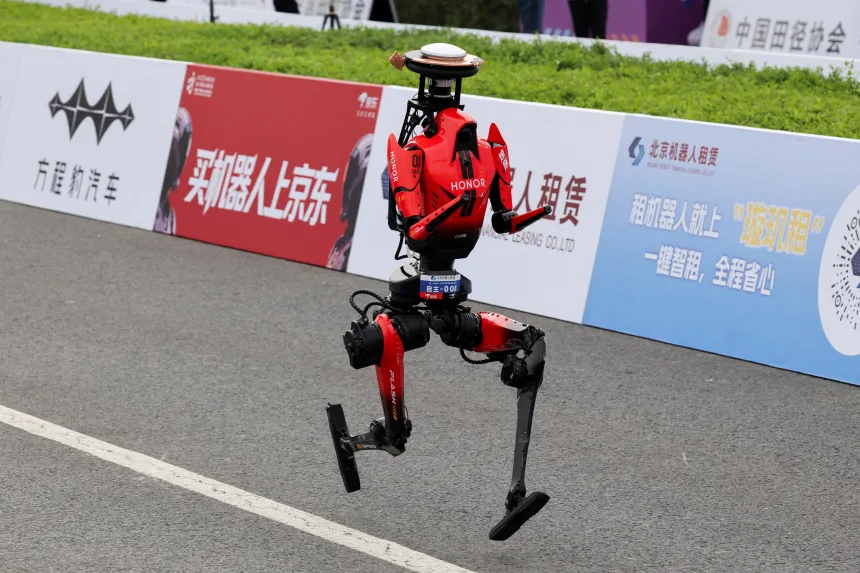
Robots of different types participate, including:
- Humanoid robots that mimic human running
- Quadruped robots similar to robotic dogs
- Wheeled robots optimized for efficiency
2. How Do Robots Run a Marathon?
Running 21 kilometers is a significant challenge—not just for humans, but especially for machines. Engineers must solve several technical problems:
- Battery life and energy efficiency
- Stability on different terrains
- Real-time navigation and obstacle avoidance
- Heat management and mechanical durability
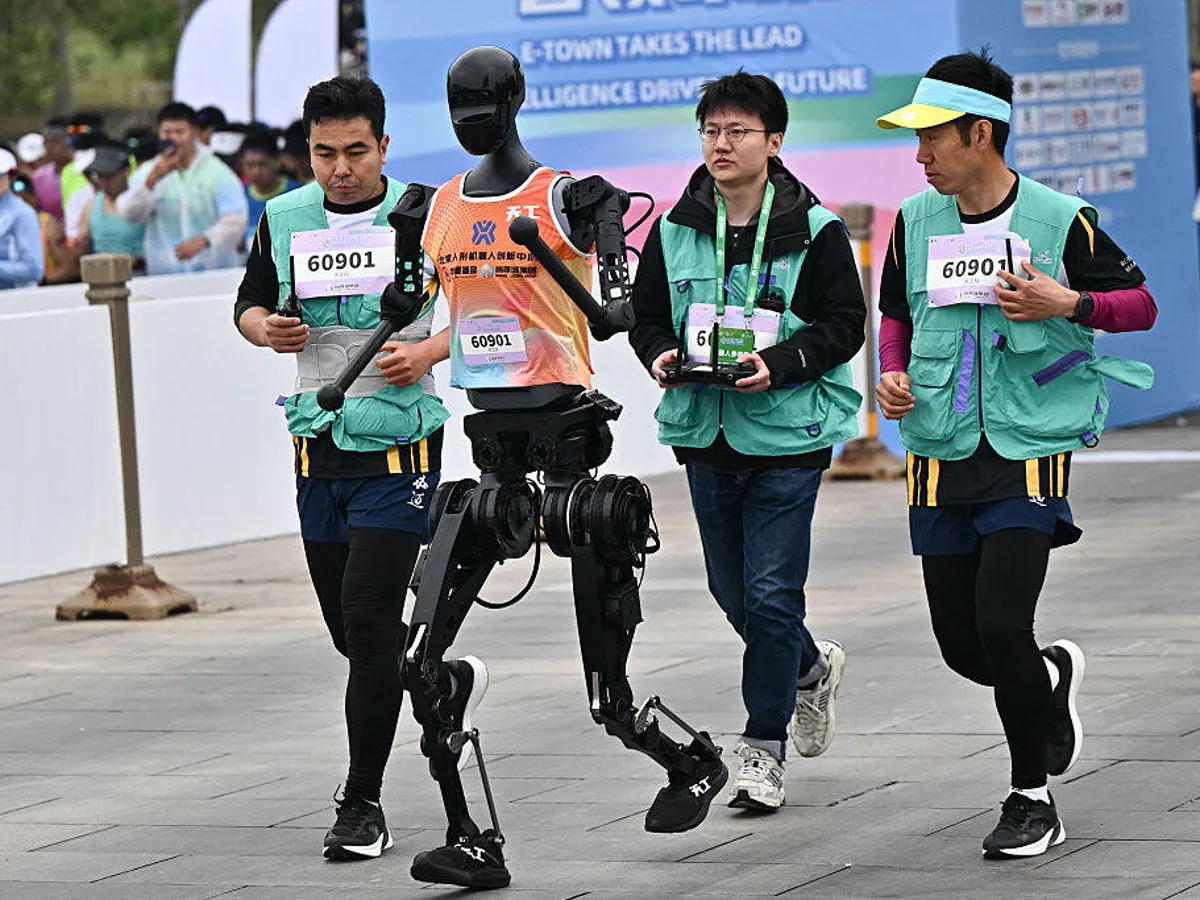
Some robots are fully autonomous, while others may receive limited remote guidance depending on the competition rules.
3. Why Is This Event Important?
The marathon is more than just a spectacle—it is a real-world test for robotics technology. Long-distance running requires sustained performance, which is critical for practical applications such as:
- Delivery robots
- Search and rescue operations
- Industrial automation
- Service robots in urban environments
4. China’s Role in Robotics Innovation
China has been rapidly advancing in robotics and artificial intelligence. Events like the Beijing Robot Half Marathon highlight the country’s focus on innovation and its ambition to lead in high-tech industries.
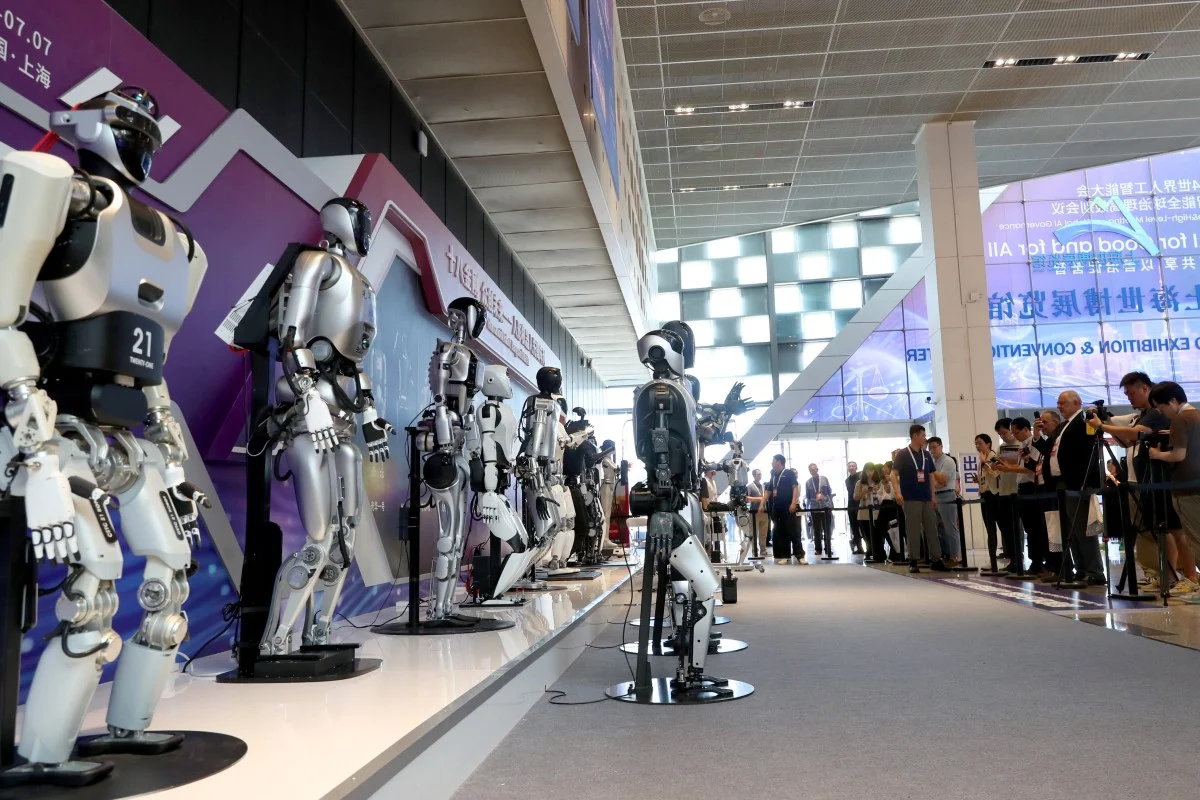
Government support, strong manufacturing capabilities, and a large talent pool have all contributed to this growth.
5. Global Interest and Future Outlook
The event has attracted attention from international media, researchers, and technology companies. It represents a shift from laboratory testing to real-world scenarios.
In the future, we may see:
- More advanced humanoid robots competing
- International robot marathon competitions
- Integration of robotics into everyday life
Final Thoughts
The Beijing Robot Half Marathon is a fascinating example of how technology and everyday activities can intersect. While robots are not yet ready to replace human runners, they are steadily improving—and events like this show just how far the technology has come.
For global audiences, it offers a unique window into China’s innovation landscape and the future of robotics.