
When the Spring Festival arrives, Beijing transforms into a city of vibrant red lanterns, thundering drums, and joyous crowds. The heart of these celebrations lies in the traditional temple fairs (Miao Hui), where centuries-old customs meet modern entertainment. From imperial reenactments to futuristic metaverse experiences, the capital offers a dazzling array of ways to welcome the Lunar New Year.
Quick Tips for Enjoying Beijing’s Spring Festival
- Dress for the Cold: Beijing winters are freezing. Wear layers, comfortable walking shoes, and heavy coats, as most temple fairs are outdoors.
- Book Tickets in Advance: Popular fairs like Ditan and Longtan often require online reservations via WeChat mini-programs to control crowd sizes.
- Bring an Appetite: Chinese New Year is a feast. Come hungry to sample traditional snacks like bing tang hulu (candied hawthorn) and lamb skewers.
Understanding the “Miao Hui”: A Brief History of Temple Fairs
Before diving into specific locations, it is essential to understand what makes a temple fair so special. Historically, temple fairs in China originated as religious gatherings around Buddhist or Taoist temples. On specific festival dates, worshippers would flock to burn incense and pray for blessings.
Over centuries, these gatherings evolved into bustling marketplaces. Vendors set up stalls selling crafts and snacks, while performers entertained the crowds with opera, acrobatics, and lion dances. Today, the religious aspect often takes a backseat to the cultural spectacle. Modern temple fairs in Beijing are massive carnivals of folk art, commerce, and community spirit, serving as the primary venue for celebrating the Chinese New Year.
The Guardians of Tradition: Classic Temple Fairs
For those seeking the authentic flavor of old Beijing, these fairs preserve the rituals and atmosphere of the past.
Ditan Temple Fair: The Imperial Experience
Dates: February 17 - February 23
Location: Ditan Park, Andingmen Outer Street, Dongcheng District
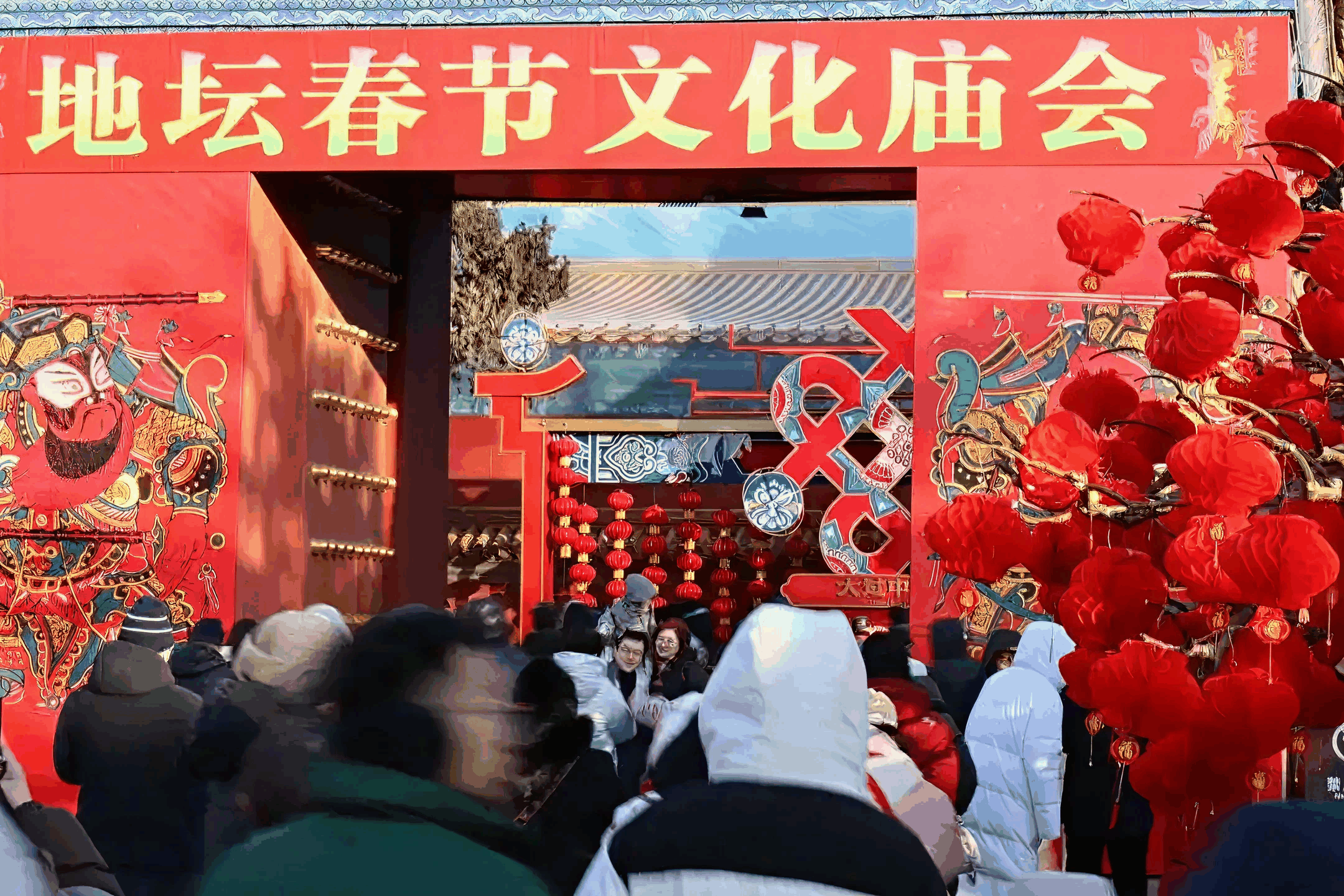
The Ditan (Temple of Earth) fair is arguably the most iconic of all Beijing celebrations. Historically, this was where Ming and Qing dynasty emperors offered sacrifices to the God of Earth to ensure a bountiful harvest. Today, the fair is famous for its faithful reenactment of this imperial ceremony.
This year, the theme centers on “Chinese Year · Ritual and Music Style.” Visitors can witness a spectacular performance that recreates the grandeur of ancient sacrificial rites, offering a window into China’s imperial history. Beyond the pageantry, Ditan is a hub for intangible cultural heritage. You can watch artisans craft delicate paper cuttings or mold clay figurines, bridging the gap between history and the present. For a modern twist, the fair has also introduced a “Metaverse” element and global live streaming, ensuring that traditional culture transcends physical boundaries.
Longtan Temple Fair: Where Sports Meet Tradition
Dates: February 17 - February 23
Location: Longtan Park, No. 8 Longtan Road, Dongcheng District
Located near the Temple of Heaven, Longtan Park offers a distinct vibe by blending traditional folk customs with sports and recreation. While you will still find plenty of red lanterns and dragon dances, Longtan is known for its “snow and ice” activities, making it a favorite for families.
This year’s edition promises a feast of color and technology. Visitors can expect robot interactive performances alongside traditional “Shehuo” (folk festival) parades. The fair has also gamified the experience with “Seeking the Dragon” activities, encouraging visitors to explore the park’s nooks and crannies. With over a hundred food and creative stalls, it is a perfect place to snack on traditional treats while watching a high-tech AR (Augmented Reality) show.
Changdian Temple Fair: The Scholar’s Celebration
Dates: February 17 - February 23
Location: Liulichang East and West Streets, Xicheng District
Unique among Beijing’s offerings, Changdian is the only “Wen Shi” (Civil/Literary) fair. Unlike the raucous atmosphere of other parks, Changdian focuses on elegance, art, and literature. It is listed as a National Intangible Cultural Heritage event, located in the historic Liulichang district, famous for its antique shops, calligraphy, and bookstores.
If you prefer poetry to acrobatics, this is your destination. You can stroll down the old street admiring a “river of lanterns” inscribed with poetry, watch immersive ancient costume performances, or collect “Fu” (blessing) characters handwritten by famous calligraphers. It is a refined way to taste the “flavor of Beijing” (Jing Wei), allowing you to snack on a sugar-coated hawthorn stick while appreciating distinctively intellectual celebrations.
Dongyue Temple Fair: A Prayer for Blessings
Dates: February 17 - February 21
Location: Beijing Folklore Museum, No. 141 Chaoyangmen Outer Street
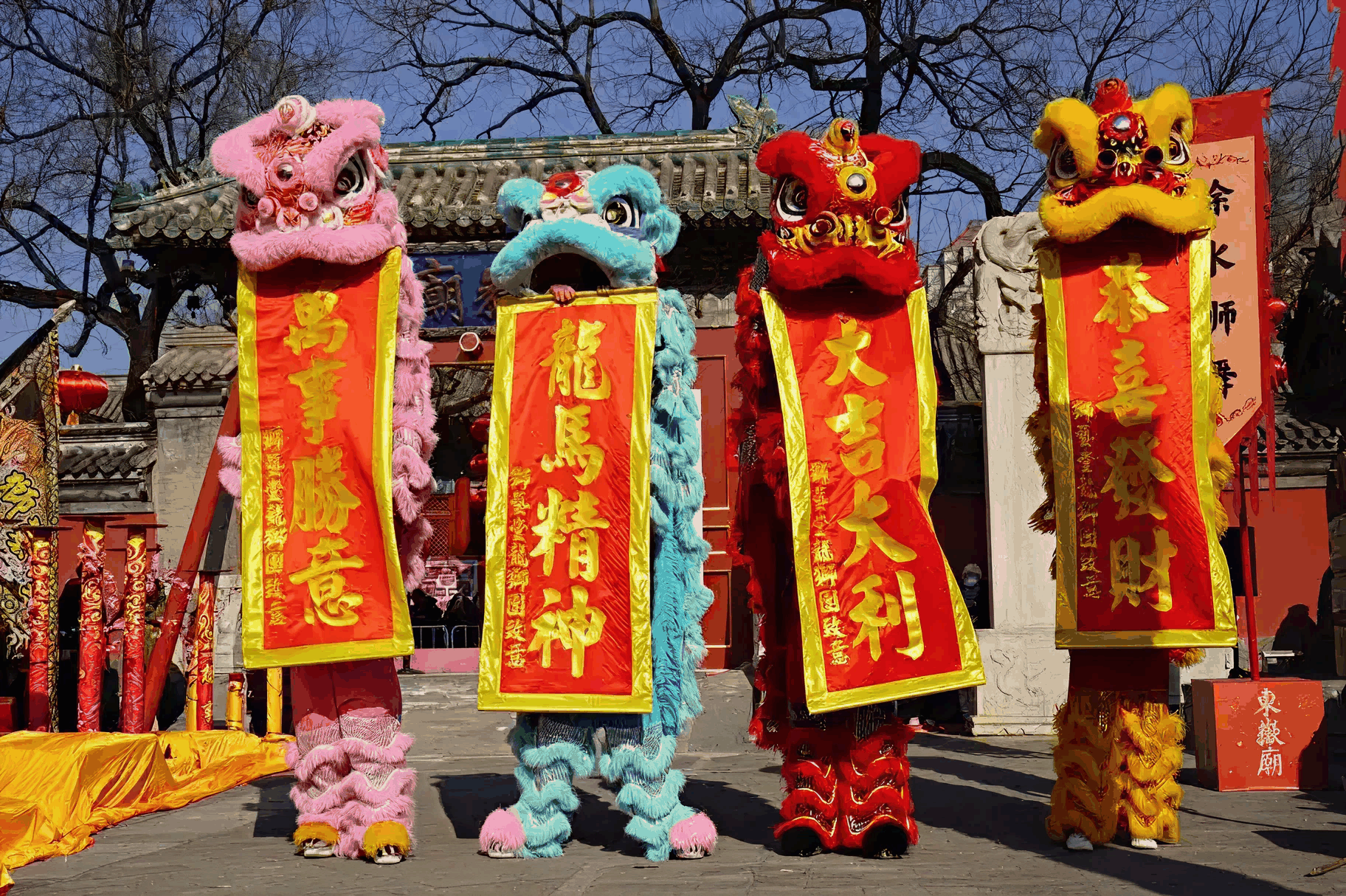
The Dongyue Temple Fair is one of the oldest and most traditional in the region. As a National Intangible Cultural Heritage site, it serves as a living museum of Beijing folk customs. The focus here is deeply rooted in the character “Fu” (Blessing).
The fair is organized around verbs that describe the holiday experience: Praying for national peace, Watching non-heritage performances, Admiring exquisite exhibitions, and Shopping in high-quality markets. It offers a nostalgic trip down memory lane, perfect for those wanting to understand the spiritual and superstitious roots of the Chinese New Year. The atmosphere here is thick with the scent of incense and the sound of bells, providing a “fireworks” atmosphere that feels deeply personal and communal.
The New Wave: Technology and Trends
Beijing is not just a city of history; it is a global tech hub. These newer fairs blend the Spring Festival with cutting-edge innovation.
Haidian New Spring Science and Technology Temple Fair
Dates: February 19 - February 23 (Tentative)
Location: Wukesong Wanda Plaza, No. 69 Fuxing Road, Haidian District
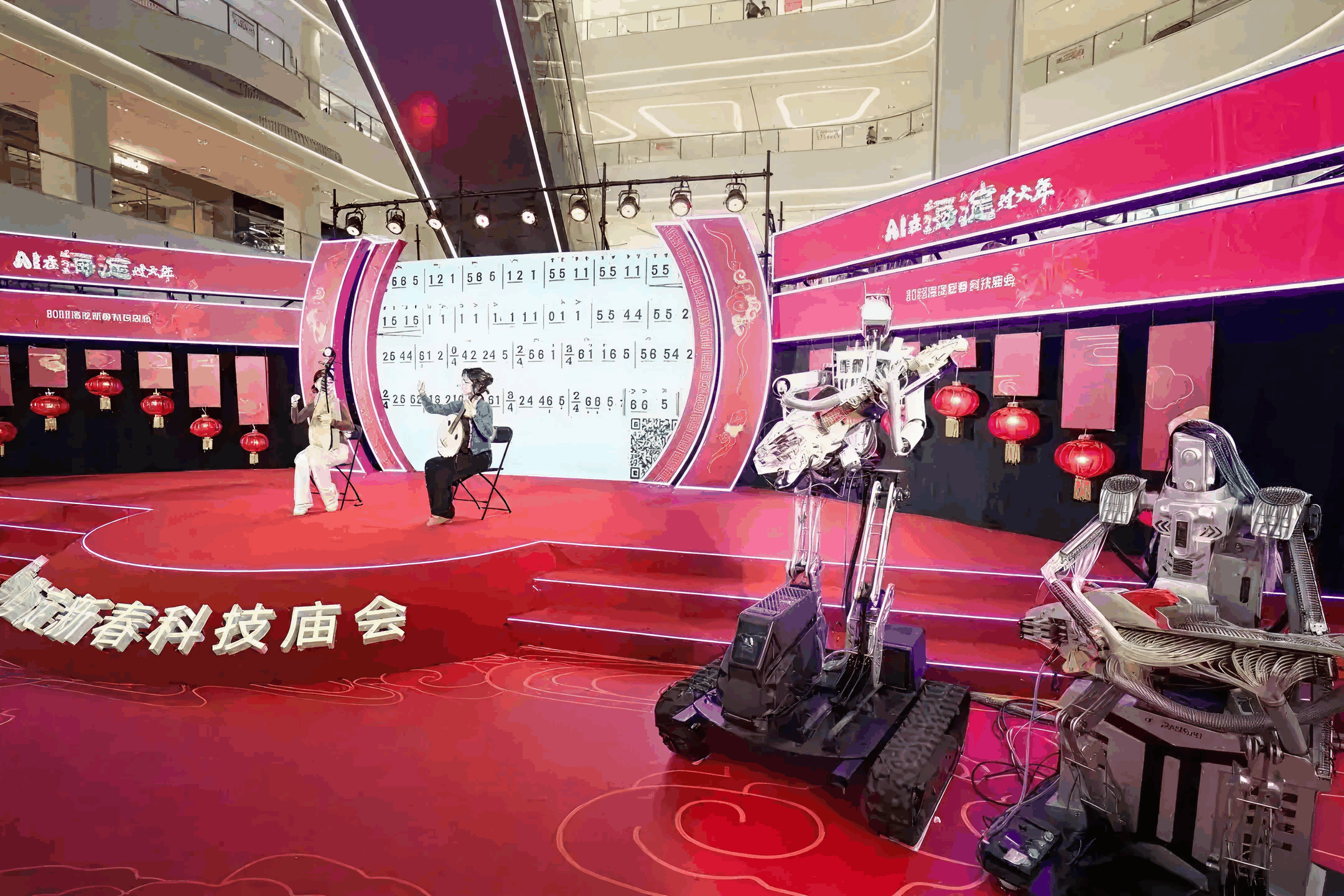
Haidian District, known as China’s Silicon Valley, naturally hosts a fair that looks to the future. If you are tired of the same old dragon dances, this fair offers a “cyberpunk” twist on the Lunar New Year.
The theme here creates a strong contrast between “New Year flavor” and “Technology.” Expect to see Artificial Intelligence (AI) writing spring couplets—a task traditionally done by brush masters. Parents can take their children to challenge various science popularization games. It is an international, fashion-forward event where tradition gets a digital upgrade, proving that the ancient festival can evolve with the times.
Dadu Temple Fair: The Indoor Metaverse
Dates: February 17 - February 23
Location: China National Convention Center Phase II, Chaoyang District
Winter in Beijing can be biting, which makes the Dadu Temple Fair an attractive option: it is an 80,000-square-meter indoor space. But comfort isn’t its only draw; it bills itself as a “New Spring Metaverse.”
This venue offers a “mix-and-match” Chinese New Year. In a single day, you can transition from watching a traditional lion dance to interacting with a VR (Virtual Reality) world. You might paint a Peking Opera mask in a traditional workshop one minute and stroll through an international style street the next. It positions itself as a “New Spring Sleepless City,” offering a collision of the traditional and the futuristic, the local and the global.
Chao Chaoyang, Chao Temple Fair: The Gen-Z Hotspot
Dates: February 10 - March 8
Location: Blue Island Tower Square, BOX B, BOX A, Dongyue Cultural Square
Targeting a younger demographic, this fair runs significantly longer than the others, stretching from late January into March. It is Beijing’s first temple fair specifically designed for youth culture, clashing tradition with “Chao” (trendiness).
The highlight here is the gathering of famous Panda IPs. Fans of “Meng Lan” (the top-stream panda from Beijing Zoo) and “Bing Dwen Dwen” (the Winter Olympic mascot) will find plenty of photo opportunities. Combining Chinese-style lanterns with tech parades and immersive markets, it transforms the Chaowai street block into a trendy urban landmark. It is the place to be if you want to shop for designer toys, take Instagram-worthy photos, and experience how the younger generation reinterprets the Chinese New Year.
Conclusion
Whether you crave the solemn rituals of the Temple of Earth, the literary elegance of Changdian, or the neon-lit excitement of a metaverse celebration, Beijing offers a venue for every taste. These temple fairs are more than just events; they are the living heartbeat of the city during the Spring Festival. To truly understand China and its culture, you must step into the crowds, hear the drums, and immerse yourself in the chaotic, joyful energy of a Beijing New Year.