
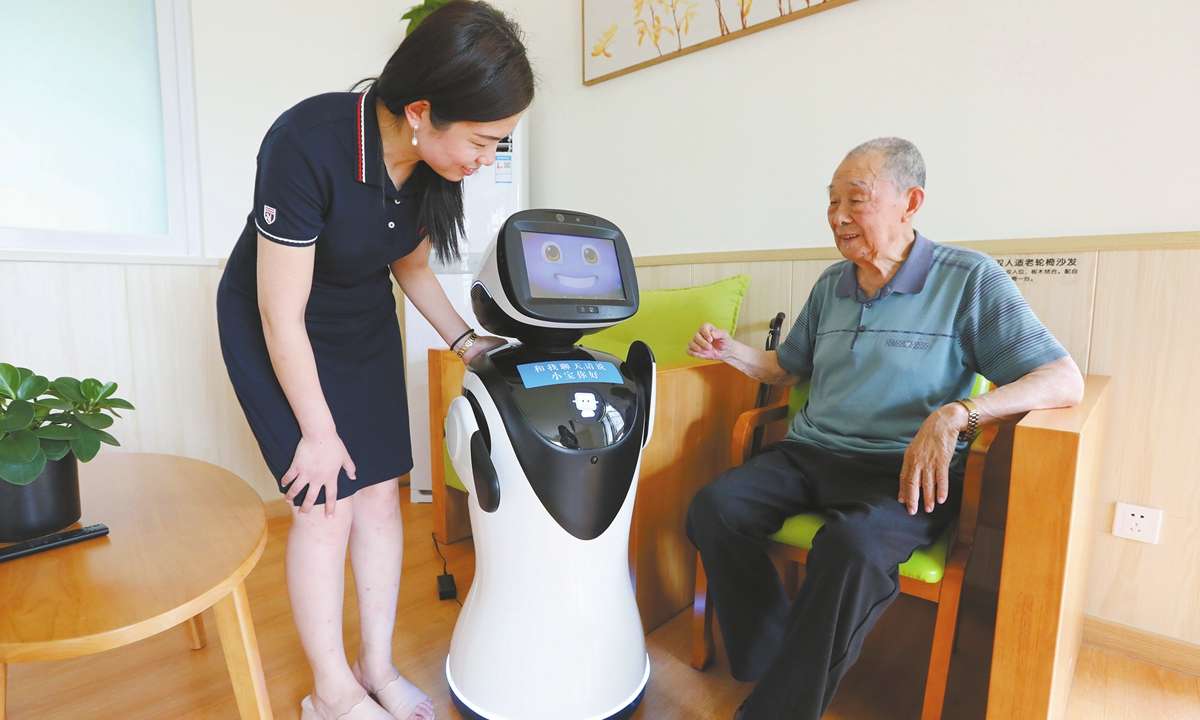
From AI caregiving robots to wellness tourism - China’s silver economy embraces technology and lifestyle
China’s silver economy isn’t about nursing homes anymore. With 310 million people aged 60+, China is transforming aging from a burden into a RMB 21 trillion opportunity by 2035 through AI-powered health tech, rehabilitation robots, and a generation of retirees traveling the world with smartphones.
The Market Opportunity
China’s silver economy reached RMB 7.1 trillion in 2023—just 6% of GDP compared to 10%+ in developed economies. That gap represents massive untapped potential. The January 2024 “Opinion on Developing the Silver Economy” elevated eldercare to national strategic priority, targeting RMB 21 trillion by 2035.
The Tech Revolution
AI Nursing Robots Go Mainstream
In June 2025, China launched a three-year pilot program for intelligent eldercare robots—signaling robot caregivers are moving from science fiction to standard practice. Shanghai specifically called for development of:
- Rehabilitation robots: Physical therapy and mobility recovery
- Exoskeleton robots: Enabling movement for limited mobility
- Nursing robots: Routine care tasks
- Companion robots: Emotional support and social interaction
At the 2024 World AI Conference, Fudan University showcased “Guanghua No. 1”—a nursing robot that physically supports elderly people while reading facial expressions and generating appropriate emotional responses.
The smart health aging industry reached RMB 6 trillion in 2023, growing from RMB 2.2 trillion in 2017 at 18%+ compound annual growth.
Smart Homes and Wearables
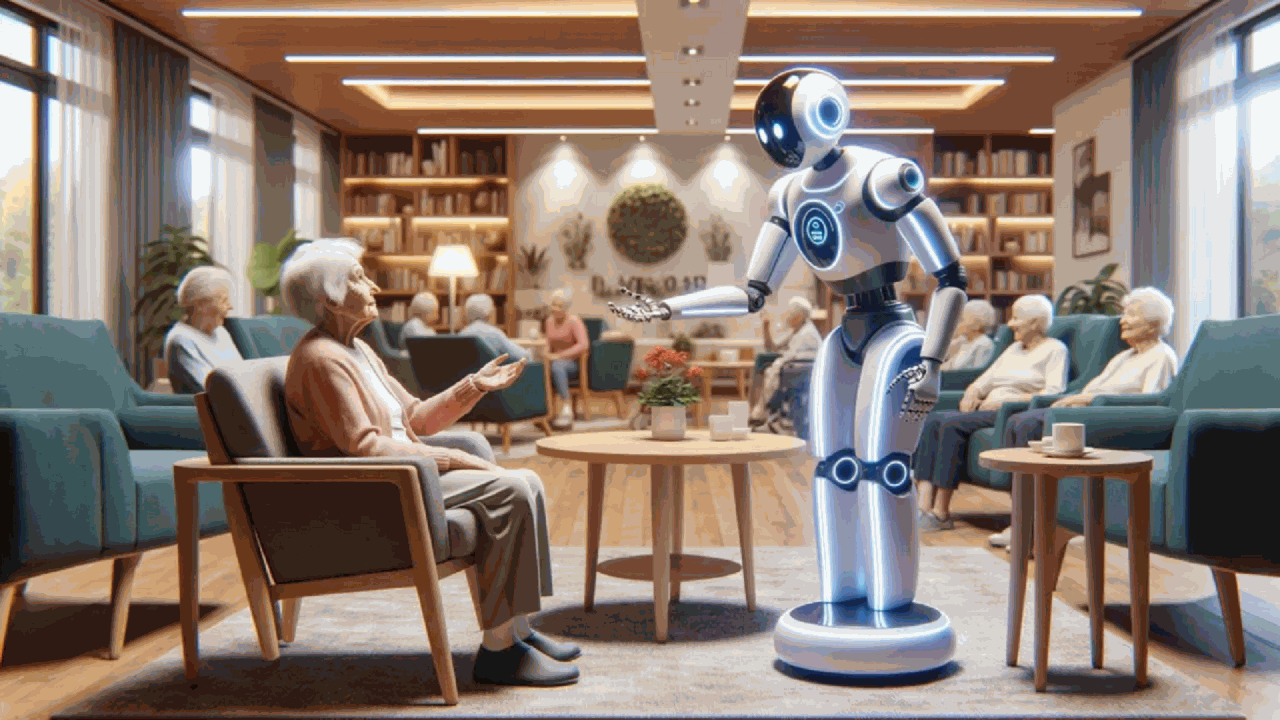
AI voice assistants, health monitors, and smart home systems become daily companions
Beyond robots, the ecosystem includes:
- AI voice assistants: Budget devices (under RMB 100) providing companionship and emergency alerts
- Health monitoring: Vital sign tracking, fall detection, automatic emergency response
- Smart home adaptations: Voice-controlled lights, automated medication, intelligent temperature
- Wearable trackers: Continuous monitoring with cloud-based family sharing
Tech giants like Tencent offer platforms providing AI computing power, voice recognition, hearing aid algorithms, and large language models—democratizing advanced technology for smaller companies.
The Lifestyle Boom
Silver Tourism: RMB 2.7 Trillion Adventure
Silver tourism hit RMB 1.4 trillion in 2023 and projects to reach RMB 2.7 trillion by 2028—13.6% compound annual growth. Travel and leisure account for 50-60% of elderly discretionary spending, their #1 optional consumption.
40.8% of middle-aged and elderly Chinese take 1-2 trips annually, while some economically comfortable retirees travel 5+ times per year. This isn’t stereotypical “senior tour groups”—today’s silver travelers seek customized experiences, wellness tourism, and technology-enabled convenience.
Senior Education: Never Stop Learning
The senior education market grew from RMB 148 billion (2019) to RMB 256 billion (2023), projecting to surpass RMB 400 billion by 2028. Yet only 6.9% of elderly are enrolled in senior universities—about 20 million out of 310 million aged 60+.
Popular subjects: traditional arts, health and wellness, digital literacy, languages, dance, and tai chi. The 60-69 cohort prefers in-person arts courses, while 70-79 shifts to online health content.
Fashion Forward: The RMB 300 Billion Wardrobe
China’s elderly apparel market grew from RMB 189 billion (2019) to RMB 225 billion (2023), expected to surpass RMB 300 billion by 2028. This isn’t “frumpy elderly clothes”—it’s style, comfort, and function integrated seamlessly, with specialized brands competing against traditional and athletic companies.
The Hardcore Tech
Solving Critical Gaps:
- 50 million disabled/semi-disabled elderly vs. only 5.63 million registered care workers
- Early smart products cost 3+ months of average pension—now scaling reduces costs
- First-generation devices required too much digital literacy—voice-first interfaces lower barriers
Innovation Highlights:
- Embodied Intelligence: Robots that learn, understand context, and make autonomous decisions
- Emotion Recognition: AI detecting depression or pain through facial expressions and gait
- Predictive Health: ML models predicting strokes or falls days before occurrence
- Whole-Home Integration: Unified systems through simple voice commands
Digital Adoption
Chinese elderly consumption shifts from survival to development needs:
Online Shopping:
- 75.9% buy medicines online
- 75.4% purchase health supplements online
- 68.6% buy medical devices online
- 60+ age group: 14.1% of internet users (2024)
Platform Influence: Social media (Xiaohongshu) and live-streaming commerce adapt to silver audiences. Children often purchase on behalf of parents (80%+ for medicines/supplements).
Challenges Ahead
Cost: Many nursing robots priced at RMB 20,000+, exceeding average retiree budgets
Privacy: Cameras and sensors raise surveillance versus care concerns
Legal: Liability frameworks for robot malfunctions still developing
Digital Divide: 85.9% of 60+ remain offline or minimally digital
Quality: Fragmented market with variable service and frequent scams
Global Implications
China’s transformation offers lessons for every aging society:
- Technology is Essential: Countries avoiding eldercare AI will face insurmountable labor shortages
- Consumption Drives Innovation: Treating elderly as consumers, not just care recipients, unlocks markets
- Platform Economics: Shared AI infrastructure accelerates ecosystem development
- Policy + Market Synergy: Neither alone suffices—combination drives fastest progress
The Future
By 2035, when China’s elderly reach 400 million (30%+ of population), the silver economy will represent 10%+ of GDP. The vision: active, engaged, technology-enabled aging.
Imagine an 80-year-old using AR glasses for virtual tai chi with friends nationwide, nursing robots managing medications while health data streams to family and doctors, and AI companions providing genuine emotional engagement based on their life stories.
That future is being built now in Shanghai labs, Beijing policy meetings, and Shenzhen factories.
Conclusion
China’s silver economy transcends nursing homes through technology integration and lifestyle evolution. From AI nursing robots to RMB 2.7 trillion tourism, from senior universities serving 6.9% to digital platforms reaching 14.1% of 60+ users, transformation is accelerating.
This isn’t about managing decline—it’s about enabling thriving. As 310 million seniors become 400 million by 2035, China bets that technology, policy, and market forces can transform aging’s challenge into economic opportunity and quality-of-life enhancement.
The silver economy isn’t separate—it’s the future economy, arriving faster than most realize.
For more on China’s silver economy, visit the China Research Center on Aging (CRCA) or industry platforms like AgeClub.