
As artificial intelligence reshapes the content industry, a new phenomenon is emerging: China as a “content factory” for the world. With its combination of advanced digital infrastructure, massive creator ecosystem, and rapid adoption of AI tools, China is producing content at an unprecedented scale.
1. What Does “Content Factory” Mean?
The term “content factory” refers to large-scale, highly efficient production of digital content—especially short videos—using standardized workflows and increasingly, AI automation.
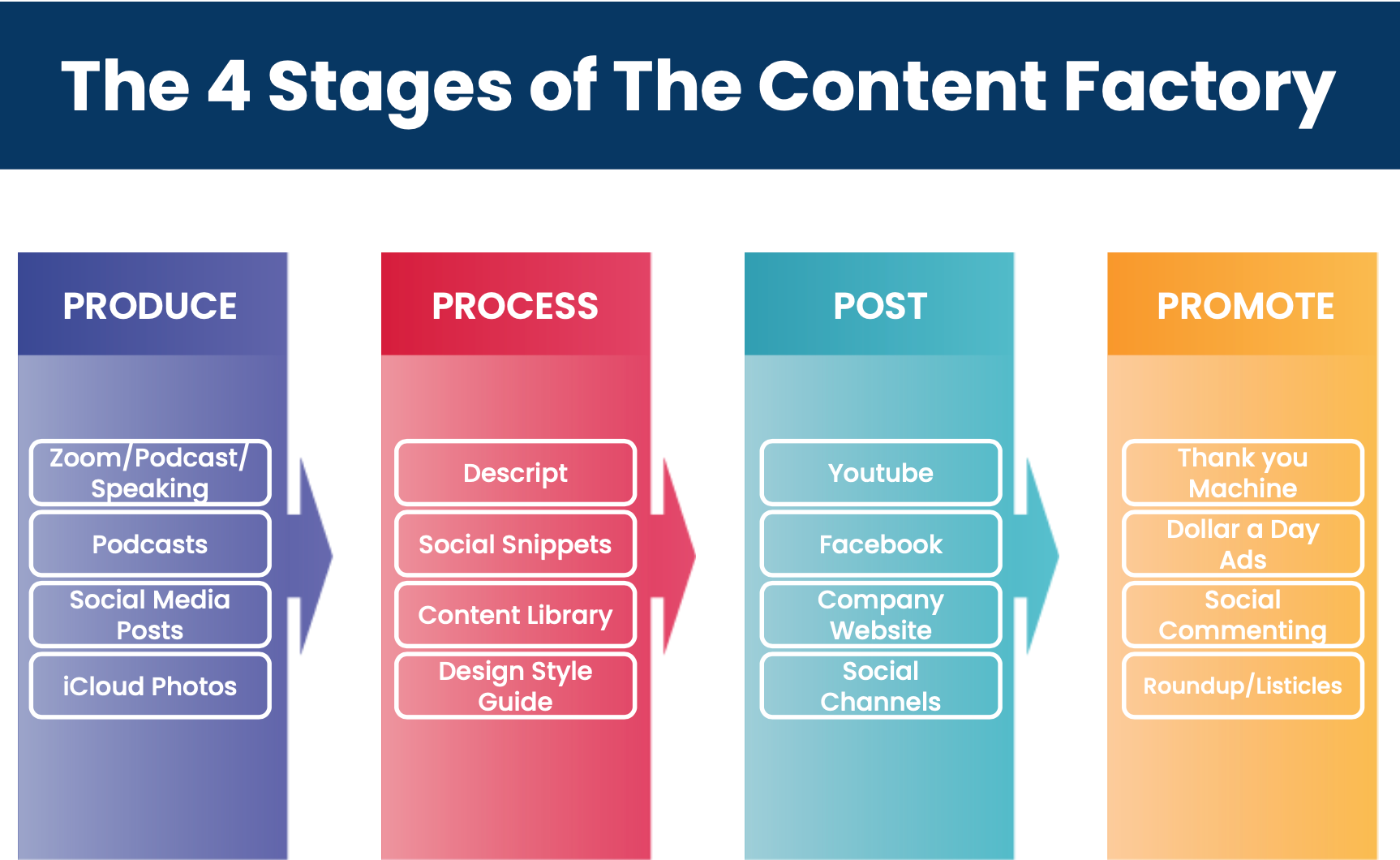
In China, this model is taken to the extreme:
- Teams specialize in scripting, editing, and distribution
- AI tools generate visuals, voices, and even storylines
- Output is optimized for algorithms and engagement
2. The Role of AI Video Tools
AI video generation has significantly reduced the barrier to entry for content creation. Tasks that once required professional teams can now be completed in minutes.

Common AI-driven processes include:
- Text-to-video generation
- AI voiceovers and avatars
- Automated subtitles and translations
- Batch production of similar content formats
This allows studios to produce content at scale, sometimes hundreds of videos per day.
3. Platform-Driven Demand
China’s content ecosystem is fueled by platforms with massive user bases and sophisticated recommendation algorithms.

Key drivers include:
- Short video platforms that reward high output
- Livestream commerce integrating content with sales
- Algorithmic feeds that prioritize engagement
This creates a strong incentive for continuous, high-volume content production.
4. From Domestic to Global Markets
Originally focused on domestic platforms, many Chinese content studios are now targeting global audiences. With AI translation and localization tools, content can be adapted quickly for different markets.

This shift is especially visible on platforms like TikTok and YouTube, where content produced in China is reaching international viewers.
5. Why China Leads This Trend
Several factors explain China’s advantage:
- A highly competitive creator economy
- Advanced digital infrastructure
- Strong integration of technology and commerce
- Rapid adoption of new tools and formats
Combined, these factors create an environment where experimentation and scaling happen quickly.
6. Challenges and Concerns
Despite its efficiency, the “content factory” model raises questions:
- Content quality vs. quantity
- Originality and creativity
- Platform dependence on algorithms
- Global competition and regulation
As AI-generated content grows, these issues are becoming increasingly important.
Final Thoughts
China’s rise as a “content factory” highlights a major shift in how digital media is created and distributed. In the age of AI video, speed, scale, and automation are redefining the industry.
For global creators and platforms, understanding this model is essential—not just to compete, but to adapt to a rapidly changing content landscape.