
Key Points
- In 2024, China’s GDP surpassed 13 trillion yuan for the first time, with a growth rate of 5.0%.
- Manufacturing and industry remain economic foundations; high-tech manufacturing is growing rapidly, shifting industry structure toward higher value and technology intensity.
- Services, information transmission, software, and IT services are important new growth engines within modern service and digital economies.
- Policies promote upgrading of high-tech manufacturing with tax incentives and innovation support, improving economic quality and competitiveness.
- Despite structural challenges such as real estate adjustment, uncertainty in international environment, and export pressures, China is moving toward higher-quality, sustainable development through industrial upgrading, green transition, and boosting domestic demand.
Overall Economic Performance: Stable Growth and Expansion
According to National Bureau of Statistics (NBS) 2024 data, China’s GDP reached about 13.49 trillion yuan, growing up 5.0% year-on-year. The primary industry grew by 3.5%, the secondary industry by 5.3%, and the tertiary industry by 5.0%. The tertiary sector (including services and the digital economy) accounted for over 56% of GDP. Compared with the previous model relying on rapid investment and infrastructure-driven growth, the current mode of “steady progress, structural optimization, service-oriented, consumption and technology-driven” indicates a more balanced and resilient economy.
Manufacturing Upgrading and Industrial Optimization
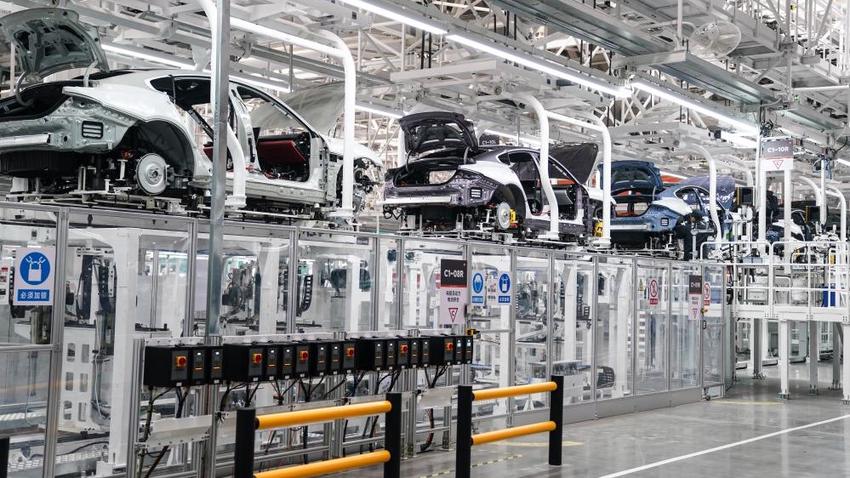
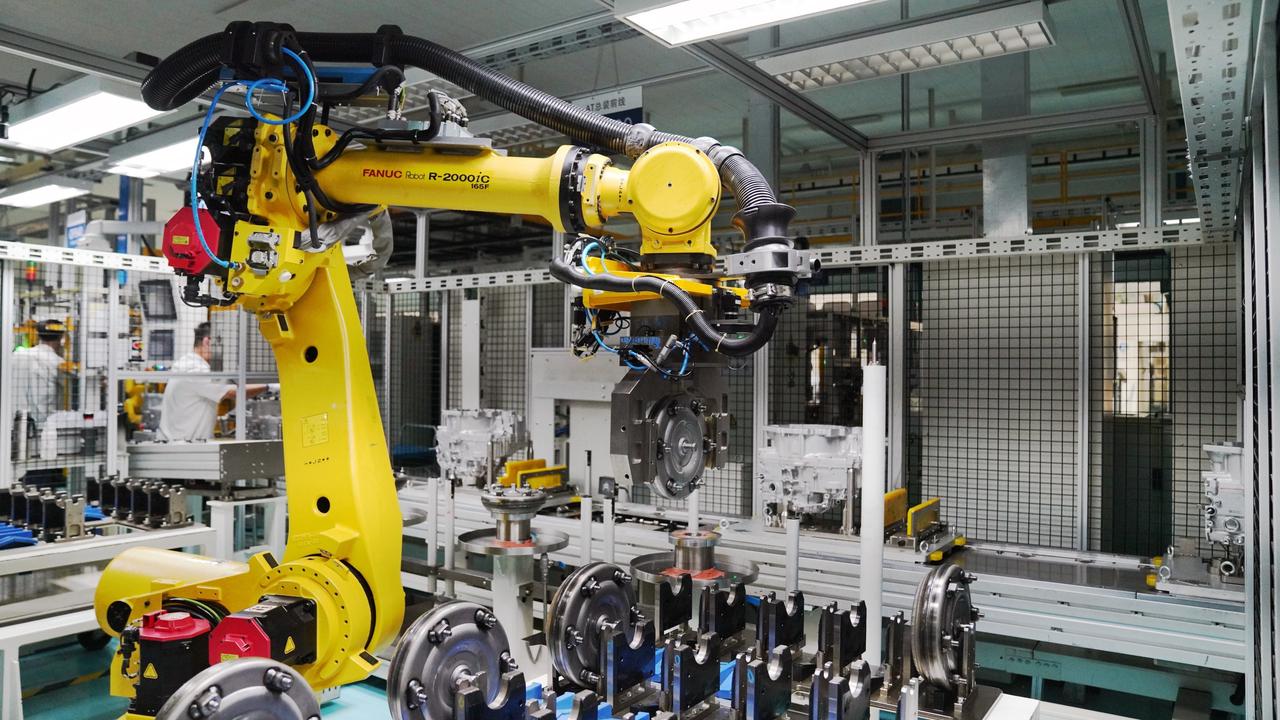
In 2024, the industrial value-added output above the designated size grew steadily, especially in high-tech manufacturing. Government tax incentives encouraged intelligent and high-end manufacturing transformation. Consequently, revenues from high-end equipment and digital product manufacturing outpaced the overall industrial average, reflecting an upgrade in industrial value chains. The shift away from low value-added, labor-intensive “world factory” industries toward higher value and technology-intensive sectors lays a solid foundation for long-term stable development.
Services and Digital Economy as New Growth Engines
In 2024, the service sector’s value-added grew by 5.0%, with remarkable growth in information transmission, software, and IT services. The digital economy, internet+, and technology services have become key economic growth drivers. With consumer upgrading and widespread internet adoption, these sectors are expanding, leading China’s economic structure from “manufacturing + investment + export” to a diversified model balancing “services + consumption + technology + domestic demand.”
Policy Support and Promotion of High-Tech and Green Industries
In 2024, the government implemented tax cuts, rebates, and fee reductions to support high-tech manufacturing and innovative industries.
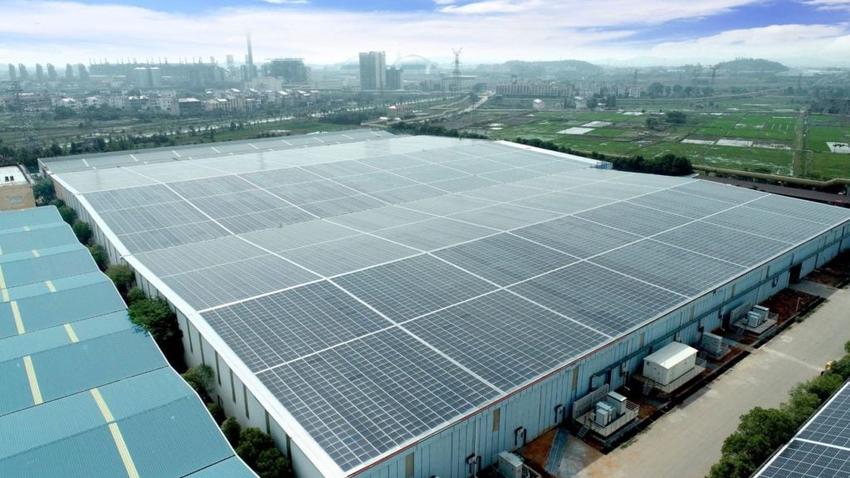
The rapid growth of high-tech and digital industries demonstrates the national strategy to advance “new quality productive forces” — integrating high technology, green, and intelligent development. This aligns with global green, low-carbon trends, enhances industrial competitiveness, modernizes the economy, and safeguards long-term economic security.
Challenges and Uncertainties — Structural Adjustment Pressures
Despite overall stability, global economic volatility, fluctuations in external demand, and trade frictions pose challenges to exports and manufacturing. Although modern service industries are growing rapidly, it will take time and institutional support to fully replace traditional low-end and high-energy-consuming industries. It is also critical to balance growth speed with development quality to avoid overcapacity and resource waste.
Additionally, attention must be paid to employment structure, regional disparities, industrial chain security, and social welfare to ensure a smooth and sustainable transformation.
Conclusion
In summary, based on official 2024 data, China’s economy is transitioning from high-speed growth to a new era of high-quality development. This transformation is driven by new growth engines, including manufacturing upgrading, the expansion of the service and digital economies, and policy support for high-tech and green sectors. Although faced with global and structural challenges, this evolution promises a more resilient, competitive, and sustainable economy, better positioned to adapt to the future global economic landscape.