
Quick Tips
- The Kunming Dog is China’s first and only independently developed police dog breed.
- Native breeds like the Tibetan Nyingchi and Guangxi Mountain Dogs are engineered for specific environments, from high plateaus to humid regions.
- These versatile dogs are trained for diverse operations, offering reliable and cost-effective support for law enforcement.
Police dogs play an indispensable role in contemporary society
From airport security and narcotics detection to search-and-rescue missions and counter-terrorism operations, these highly trained canines serve as reliable partners to law enforcement, leveraging their keen senses and exceptional obedience. You may have seen them in news reports, but are you familiar with China’s own indigenous police dog breeds?
The development of China’s police canine units has followed a distinct path. From ancient military use to modern specialized breeds, the country’s journey in cultivating police dogs has been a long one. Particularly after the founding of the People’s Republic, the public security system began to systematically breed dogs suited to local environments and policing needs. This concerted effort led to the creation of China’s first independently developed police dog breed—the Kunming Dog.
The Historical Origins of Modern Police Dogs
The involvement of Chinese canines in military and security work dates back to the Warring States period. In that era of turmoil, dogs performed diverse roles on the battlefield, serving not only as guards for military camps but also as valuable assistants to soldiers.
Functions of Military Dogs in the Warring States Period
Military dogs during this time held several key functions:
- Defense and Surveillance: Patrolling the perimeters of camps to detect enemy movements.
- Combat Support: Attacking alongside charging soldiers to disrupt enemy formations.
- Messaging: Delivering military intelligence across complex terrain.
- Tracking and Search: Following enemy trails and locating missing personnel.
The very composition of the Chinese character for “prison” (狱, yù) reveals the deep historical connection between dogs and law enforcement. Formed by the elements for two “dogs” (犬) and “words” (言), it reflects how canines were involved in ancient China’s judicial processes, assisting in investigations and guarding prisoners. This tradition laid a cultural foundation for the development of modern police dogs.
The origins of the contemporary police dog evolved directly from these military ancestors. As societal needs shifted from warfare to public security, the primary role of working dogs transitioned accordingly. Since the 20th century, nations worldwide began systematically breeding specialized police dog breeds, a process in which China has also carved out its own distinct path.
Overview of Native Chinese Police Dog Breeds
Native police dog breeds refer to working dog breeds that have been cultivated and selected within China, specifically designed to adapt to the local environment and meet law enforcement needs. Unlike imported breeds such as German Shepherds, Belgian Malinois, and Labrador Retrievers, which are commonly used in police work, native Chinese police dogs have undergone targeted scientific breeding to better suit the country’s diverse geographical and climatic conditions as well as actual working scenarios.
Kunming Dog: China’s Only Native Police Dog Breed
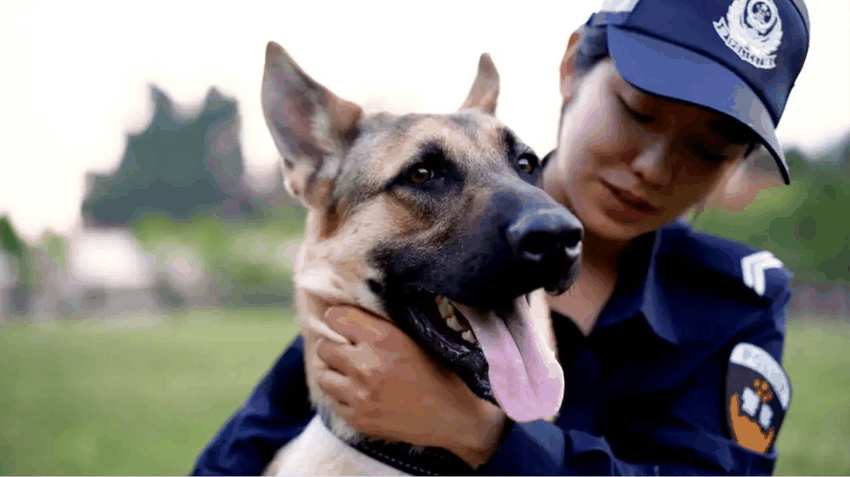
Kunming Dog is the only police dog breed developed in China. The Kunming Police Dog Base under the Ministry of Public Security began systematic breeding of this breed in the 1950s. After decades of scientific selection and practical testing, Kunming Dogs have become a core force in China’s police dog teams. This breed possesses the following remarkable characteristics:
- Strong adaptability: Capable of performing tasks in various geographical environments such as plateaus and plains.
- Comprehensive working abilities: Proficient in multiple police duties including tracking, apprehension, drug detection, and explosion detection.
- Stable temperament: Good obedience, easy training and management.
- Robust physique: Strong disease resistance, relatively low maintenance costs.
In recent years, the Ministry of Public Security has made significant efforts to promote the development of native police dog breeds. Kunming Dogs have been designated as a key strategy for establishing a distinctive Chinese brand of police dogs. This initiative not only enhances the international competitiveness of China’s police dog technology but also provides more reliable “four-legged warriors” for law enforcement in the country.
Taicang Dog: Agile and Nimble
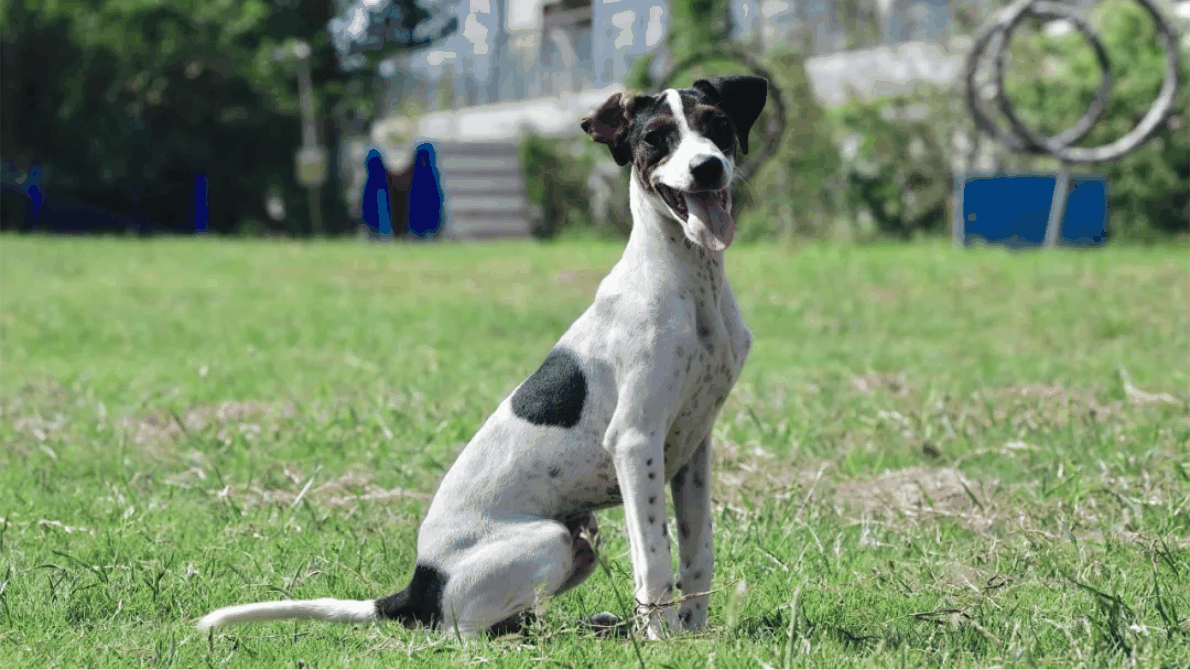
With a history spanning over 200 years, the Taicang Dog is one of China’s key indigenous breeds under focused research and development. As an emerging breed of police dog, it is playing an increasingly vital role in modern policing.
Physique and Characteristics
- Medium-Small Build: Possessing a well-proportioned and compact structure, it is both agile and nimble.
- Strong Athleticism: Excels in leaping and running, demonstrating notable speed and dexterity.
- High Adaptability: Capable of performing effectively in diverse police operational environments.
Areas of Police Application
Leveraging its excellent physicality and keen sense of smell, the Taicang Dog is extensively utilized in specialized fields including:
- Tracking: Precisely locating target direction and completing search missions quickly and effectively.
- Elevated Searches: Executing search tasks in complex terrain and elevated environments.
- Narcotics and Explosives Detection: Highly sensitive to hazardous substances, aiding public safety.
- Bloodstain Detection: Assisting criminal investigations by locating and tracing blood evidence at crime scenes.
- Cadaver Search: Locating missing or deceased individuals at disaster or accident sites.
Training and Management Advantages
- Exhibits a stable temperament, making it relatively easy to train and handle.
- Demonstrates high loyalty and a strong willingness to work.
- Incurs relatively low maintenance costs, suitable for long-term service.
With its unique advantages, the Taicang Dog is steadily becoming a significant member of China’s police units, contributing to the enhancement of domestic law enforcement capabilities.
The Tibetan Nyingchi Hunting Dog: A Canine Engineered for High Altitude
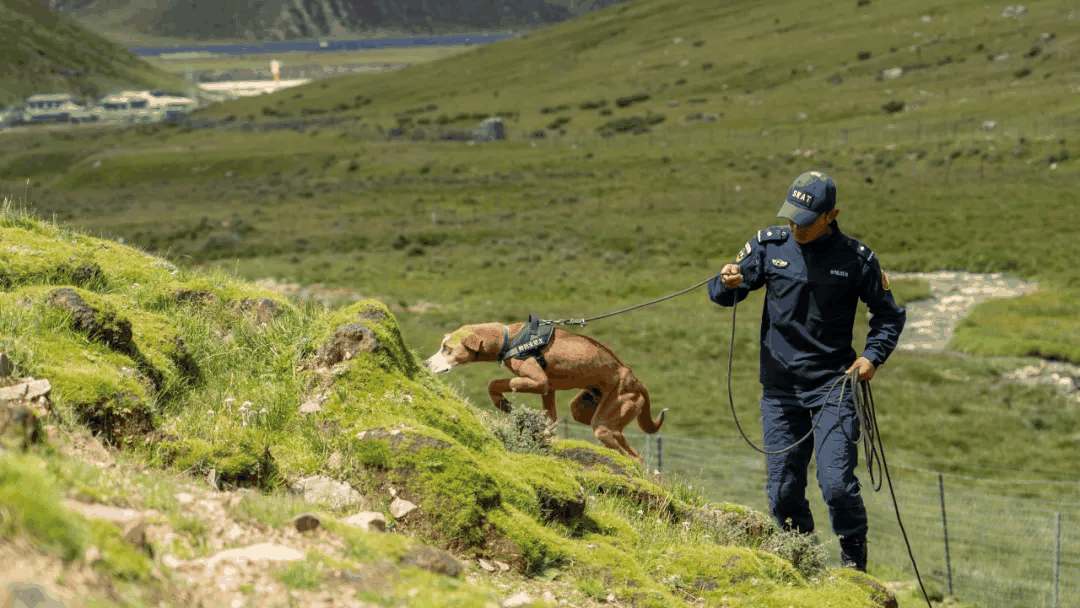
Hailing from the Nyingchi region of Tibet, the Tibetan Nyingchi Hunting Dog is a compact, lean, and muscular indigenous breed, easily identified by its distinctive blue or brown eyes.
Adaptation and Physiology
This breed possesses a unique genetic adaptation for survival above 4,000 meters. Specialized genes enable it to thrive in the thin air, freezing temperatures, and intense UV radiation of the high plateau. A dense double coat provides essential insulation and protection against the harsh high-altitude sun.
Temperament and Behavior
The Tibetan Nyingchi Hunting Dog exhibits a calm yet lively demeanor—composed in unfamiliar settings but bursting with energy and drive during hunting or activity. It is exceptionally alert and agile, capable of rapid assessment and navigation in complex terrain. A powerful innate prey drive ensures intense focus and outstanding tracking prowess, primarily driven by its exceptional sense of smell.
A Unique Sensory Advantage: Capturing Scents from the Air
This breed boasts a rare sensory skill: the ability to capture and analyze odor molecules directly from the air. This allows it to track not only ground scents but also detect faint airborne traces, significantly enhancing the accuracy of locating targets or prey.
Practical Applications
Leveraging these formidable traits, the Tibetan Nyingchi Hunting Dog is not only an exceptional hunting companion on the plateau but also shows significant promise for modern applications in police work, search-and-rescue operations, and field reconnaissance.
The Guangxi Mountain Dog: Engineered for High Heat and Humidity
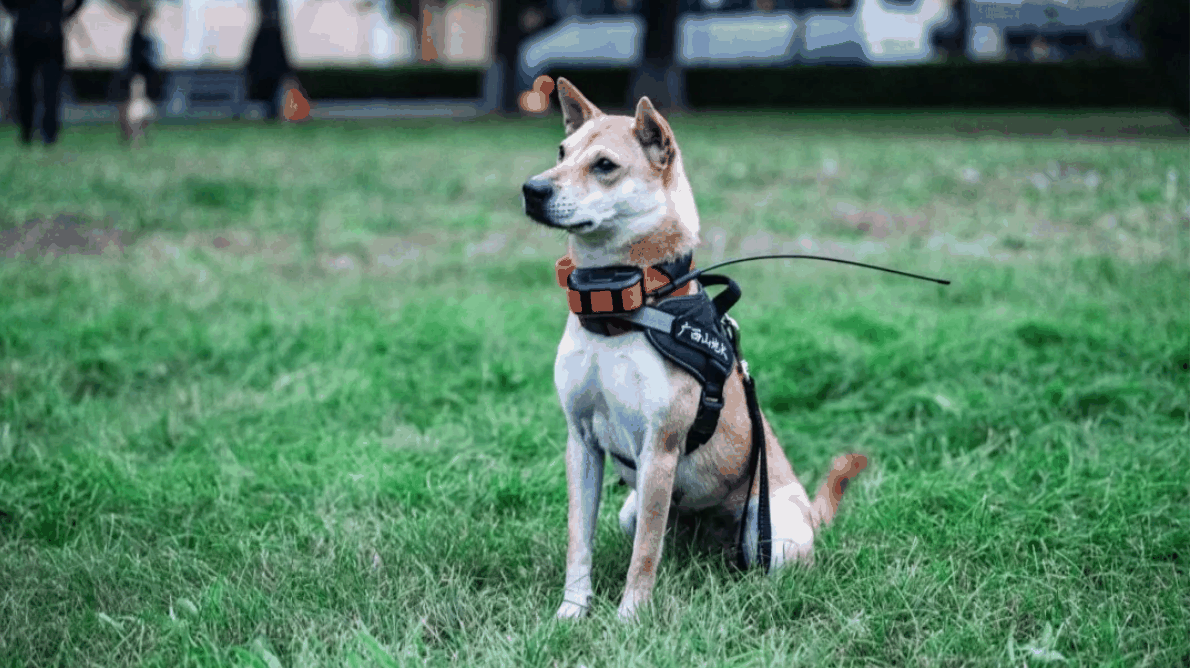
Native to China’s Guangxi Zhuang Autonomous Region, the Guangxi Mountain Dog is a classic medium-small breed. Its size provides both agility and ease of movement across complex terrain, making it well-suited for the varied environments of mountainous and hilly regions.
Environmental Adaptability
This breed exhibits exceptional heat tolerance, thriving in hot, humid climates and maintaining optimal performance even in sustained temperatures above 35°C (95°F). Its skin and coat structure also provide excellent resistance to dampness, mitigating discomfort and health risks associated with humid conditions.
Sensory and Physical Prowess
The Guangxi Mountain Dog possesses a highly sensitive olfactory system, enabling it to detect and track scent signals with precision—a key asset for search and tracking missions. Its strong limbs and flexible joints grant it superior mobility across rugged, uneven mountain paths. Coupled with robust cardiovascular stamina, this breed supports prolonged, high-intensity activity.
Behavioral Traits and Teamwork
Excelling in group coordination, the Guangxi Mountain Dog demonstrates outstanding teamwork, collaborating seamlessly with handlers or other dogs to accomplish complex tasks. Its high trainability and responsiveness to commands make it highly effective for diverse police, rescue, and operational duties, particularly in challenging southern landscapes.