
Key Points
- China has become one of the world’s leading producers of farmed caviar, supplying high-end global markets.
- Luxury food exports now include foie gras, premium single-origin teas, matsutake mushrooms, abalone, and sea cucumber.
- Advanced aquaculture, agricultural innovation, and strict quality control underpin this growth.
- Chinese brands are gaining international recognition through sustainability, branding, and global distribution.
- The rise of luxury food exports highlights China’s broader transition toward high-value manufacturing and trade.
From Importer to Global Supplier
For decades, China was largely perceived as a consumer market for luxury food imports. Today, that narrative has shifted. Domestic producers now meet—and often exceed—international quality and safety standards, enabling them to export premium products to discerning global buyers.
Caviar stands as the most striking example. China now produces a substantial share of the world’s farmed caviar, with brands recognized for consistency, traceability, and sustainable aquaculture practices. These products are increasingly featured in Michelin-starred restaurants across Europe, Asia, and North America.
Expanding the Luxury Food Portfolio
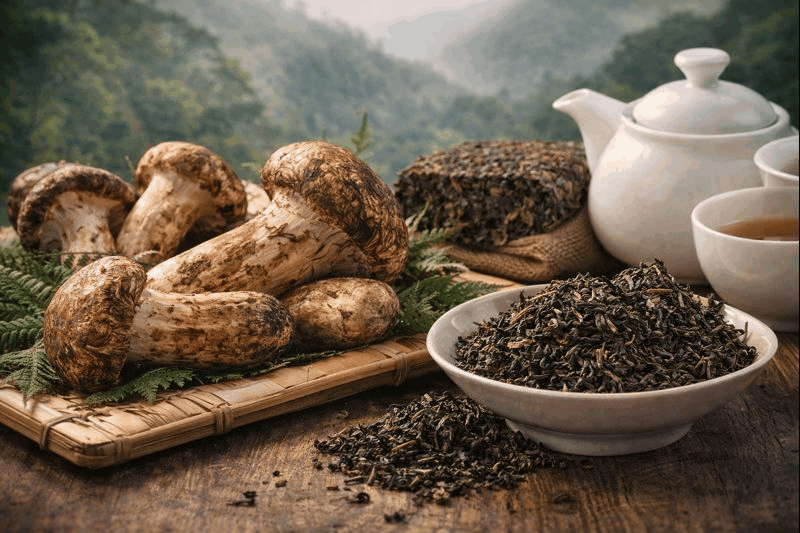
Beyond caviar, China’s luxury food industry is diversifying rapidly. The foie gras sector has grown through the adoption of modern breeding and processing techniques designed to align with international tastes and regulations.
At the same time, other premium exports are gaining traction worldwide. These include rare matsutake mushrooms, prized for their limited harvest and distinctive aroma; high-quality seafood such as abalone and sea cucumber; and single-origin teas sourced from ancient tea trees, valued for both flavor and heritage.
Innovation, Quality, and Branding
Technological innovation and quality control play a central role in China’s ascent within the luxury food market. Producers increasingly invest in advanced farming methods, cold-chain logistics, and international certification systems to ensure product integrity from origin to table.
Equally important is branding. Chinese companies are placing greater emphasis on storytelling, sustainability credentials, and global marketing strategies. Through partnerships with international distributors and chefs, these brands are building trust and recognition among elite consumers worldwide.
A New Chapter in Global Gastronomy
China’s emergence as a luxury food powerhouse signals more than a change in trade flows. It reflects a deeper evolution in how the country positions itself within the global economy—from mass production to premium value creation.