
Key Takeaways:
- Manufacturing Upgrade: Advanced manufacturing has shifted from traditional assembly lines to intelligent, high-tech sectors, offering top talent opportunities to engage in core technology R&D.
- Policy Guidance: National strategy prioritizes the real economy, providing strong support for manufacturing development through tax incentives and talent policies.
- Stability Considerations: The internet and finance sectors are entering an adjustment period, making high-end manufacturing a more secure choice due to its longer industry lifecycle and clearer career progression paths.
For the past decade, graduates from China’s top universities have typically prioritized jobs at major tech companies and leading financial institutions. These sectors attracted countless bright minds with their generous salaries and glamorous environments. However, the recent job market reveals a brand-new trend: a growing number of highly educated, high-caliber talents are turning their attention to the manufacturing industry. This shift not only reflects an adjustment in personal career planning but also mirrors profound changes in the macroeconomic structure.
What exactly is prompting these top students to change their career trajectories?
The Comprehensive Upgrade and Transformation of Manufacturing
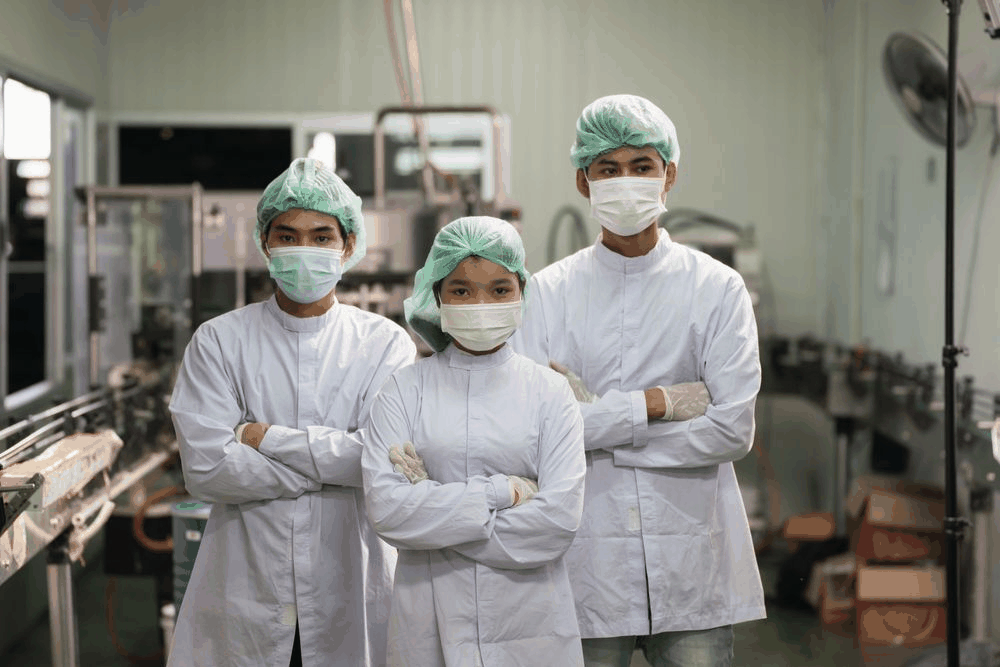
Today’s manufacturing is a far cry from the traditional image of labor-intensive assembly lines. With the rapid rise of fields like new energy vehicles, semiconductors, AI-driven automated equipment, and aerospace, China’s manufacturing sector is advancing toward high-end, intelligent production.
These cutting-edge fields require extremely complex engineering skills and innovative capabilities. For top students, advanced manufacturing offers highly challenging work. Here, they can participate in developing core technologies that will change the future, providing a sense of achievement and value that many traditional service industries cannot match.
Policy Guidance and Support from National Strategy
The policy environment has played a key role in this trend. In recent years, the country has vigorously promoted technological self-reliance, placing the real economy, especially advanced manufacturing, at the core of its development strategy.
From tax incentives and special funding subsidies to “talent-poaching” policies enacted by local governments, the government provides comprehensive support for high-end manufacturing enterprises and their talent. For job seekers, aligning with the national strategic direction not only means enjoying better benefits but also signifies broader career development opportunities.
Changes in the Employment Environment and Stability Considerations
After years of rapid expansion, the technology and finance industries have gradually entered a period of adjustment. The slowing growth of the internet sector, structural optimizations, and high-intensity competitive pressure have led many young people to reconsider the “high salary, high pressure” work model.
In contrast, high-end manufacturing often demonstrates stronger risk resistance and a longer industry life cycle. Many large manufacturing companies can offer clearer, more stable career progression paths. In the current economic climate, this stability has become a significant factor in attracting top talent. The younger generation is beginning to place more value on long-term career development rather than short-term high returns.