
Key Points
- China’s economic resilience is deeply rooted in county-level manufacturing clusters, not just major cities.
- These regions excel in full supply chains, specialization, and rapid adaptation to global demand.
- Platforms like TikTok and Temu enable direct-to-consumer global distribution, bypassing traditional intermediaries.
- Caoxian has transformed from traditional woodworking into a major Hanfu manufacturing hub with global cultural influence.
- Danyang dominates the global eyewear industry and has driven major cost and technology breakthroughs.
- Shanxiahu (Zhuji) leads the global freshwater pearl market through livestreaming and cross-border e-commerce.
- These examples highlight China’s shift from low-cost manufacturing to agile, vertically integrated production systems.
Introduction: Manufacturing Power Beyond the Megacities
When discussing China’s economy, attention often centers on megacities such as Beijing, Shanghai, and Shenzhen. However, the country’s true manufacturing strength is increasingly concentrated in smaller, lesser-known county-level economies.
These regions operate as highly specialized industrial clusters, combining efficiency, scale, and supply chain integration. While they may not appear in global headlines, they play a critical role in producing goods consumed worldwide.
With the rise of cross-border e-commerce platforms such as TikTok and Temu, these local manufacturing hubs are no longer limited to domestic markets. Instead, they are directly connected to global consumers, reshaping both production and consumption patterns.
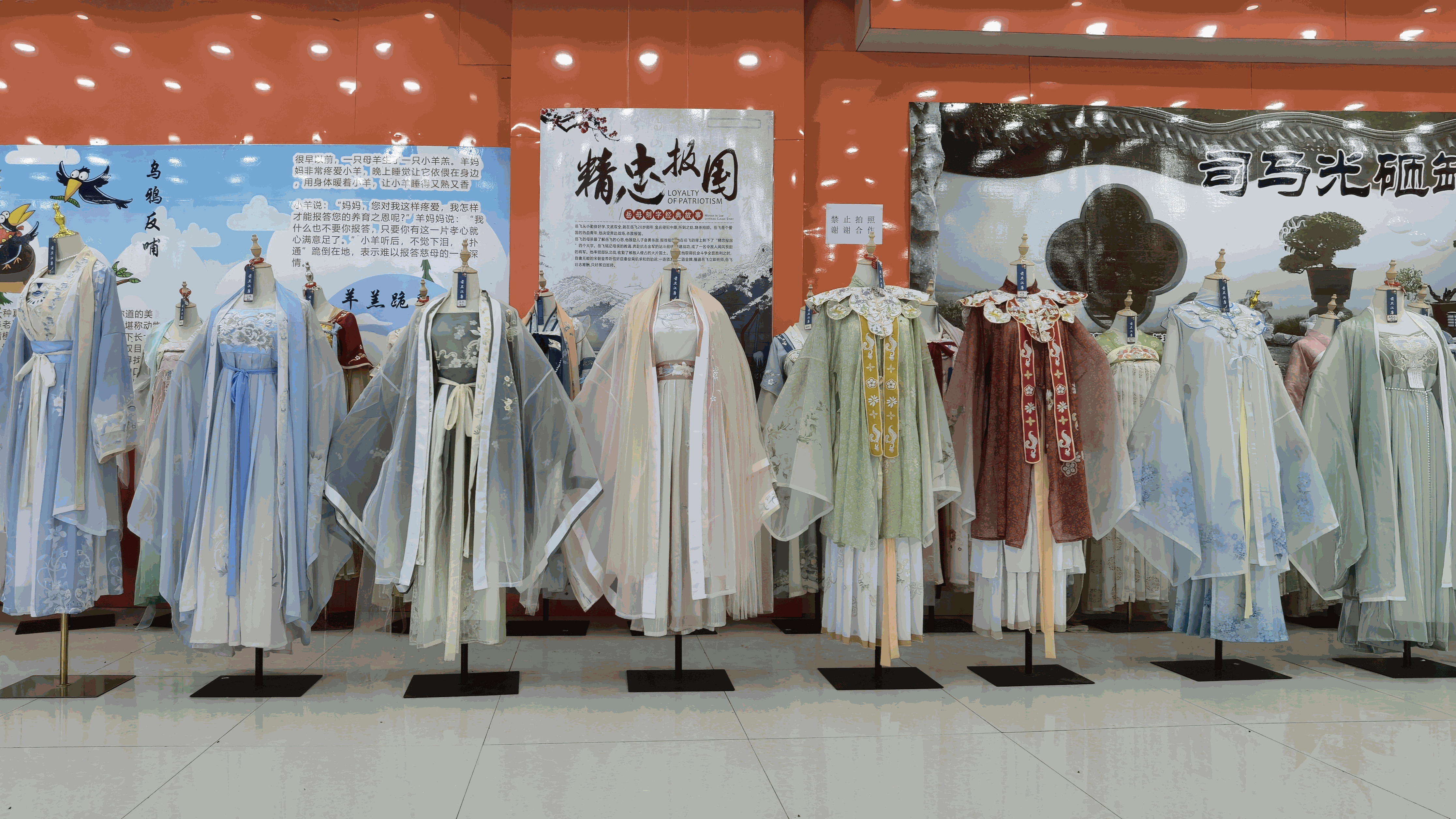
Caoxian: From Traditional Craft to Hanfu Powerhouse
Caoxian, a county in Shandong Province, has undergone a remarkable industrial transformation.
Historically known for its woodworking and craftsmanship, the region once held a dominant position in global wooden coffin production, particularly for the Japanese market. This foundation in traditional craftsmanship provided a unique skill base.
Over time, Caoxian pivoted toward Hanfu manufacturing, leveraging its expertise in textiles, embroidery, and design.

Key developments:
- Development of a complete supply chain including fabrics, design, production, and logistics
- Transformation of Hanfu into an affordable, mass-market product
- Capture of a significant share of China’s Hanfu market
Through livestreaming and cross-border e-commerce, Caoxian’s Hanfu products are now reaching Southeast Asia and East Asia, contributing to a growing global appreciation of traditional Chinese aesthetics.
Danyang: The Global Center of Eyewear Manufacturing
Danyang, a small city in Jiangsu Province, is widely recognized as one of the world’s most important eyewear production hubs. Despite its modest population, the region plays a dominant role in the global optical lens industry.
Key facts:
- Annual production of lenses reaches hundreds of millions of units
- Accounts for a significant share of both China’s and global lens production
- Supplies eyewear products to markets worldwide
Technological advancement:
Local companies have developed high-refractive-index resin lenses, breaking previous reliance on foreign technology. This innovation has significantly reduced production costs while improving product quality.
Industry innovation:
Danyang has also expanded beyond manufacturing into experience-based commerce, combining:
- Optical retail
- Tourism
- Industry exhibitions
This hybrid model reflects the region’s shift toward value-added services.
Zhuji (Shanxiahu): The Pearl Industry’s Digital Transformation
Shanxiahu, located in Zhuji, Zhejiang Province, is one of the largest freshwater pearl production centers in the world.
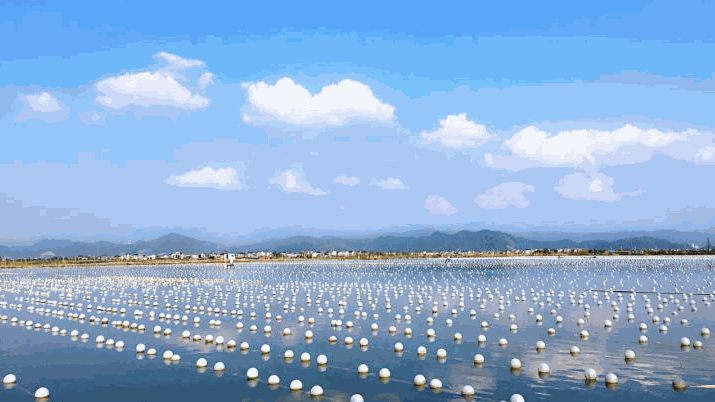
Global dominance:
- Produces a major share of China’s freshwater pearls
- Accounts for a substantial portion of global output
Digital transformation:
What sets this region apart is its rapid adoption of digital channels.
Younger producers and sellers now use platforms such as TikTok to:
- Livestream pearl harvesting processes
- Demonstrate product quality in real time
- Directly engage with international buyers
This shift allows Chinese pearl producers to bypass traditional wholesale channels and build direct relationships with global consumers.
The Role of Cross-Border Platforms
Platforms like TikTok and Temu are playing a critical role in connecting these manufacturing hubs to the global market.
They enable:
- Direct access to international consumers
- Reduced reliance on intermediaries
- Faster feedback loops between demand and production
This digital infrastructure has accelerated the global reach of China’s county-level manufacturing clusters.
A New Model of Manufacturing Competitiveness
The success of regions like Caoxian, Danyang, and Zhuji reflects a broader transformation in China’s manufacturing model.
Instead of relying solely on low-cost labor, these regions compete through:
- Highly specialized industrial clusters
- End-to-end supply chain integration
- Rapid response to market demand
- Digital commerce and livestreaming capabilities
This model enables even small counties to participate directly in global trade.
Conclusion: From Local Factories to Global Impact
China’s manufacturing strength is no longer confined to its largest cities. Instead, it is deeply embedded in a network of highly efficient, specialized county economies.
These “hidden champions” demonstrate that global competitiveness today depends not only on scale, but on:
- Agility
- Integration
- Digital connectivity
As cross-border e-commerce continues to grow, these regions are likely to play an even greater role in shaping global supply chains and consumer markets.
The future of Chinese manufacturing may not be defined by its skyscrapers—but by the factories quietly operating in places few have heard of, yet everyone relies on.