Key Points
China’s electric vehicle market is led by several innovative manufacturers, each with distinctive strategies and breakthrough technologies. BYD dominates with its comprehensive product lineup spanning from affordable compacts to luxury flagships, while Li Auto focuses on premium extended-range electric vehicles and is now expanding into pure EVs. NIO differentiates itself through a three-brand strategy covering luxury, mainstream, and compact segments. XPeng leads in autonomous driving technology with city-wide coverage, and newcomers like Xiaomi are disrupting the market with tech-forward approaches. Together, these companies are pushing the boundaries of battery technology, smart driving capabilities, and sustainable mobility solutions.
BYD: The Global Leader in Electric Mobility
BYD stands as China’s largest electric vehicle manufacturer, offering the most comprehensive product range in the industry. The company’s strength lies in its vertical integration, managing the entire process from battery production to vehicle assembly.

Core Technologies
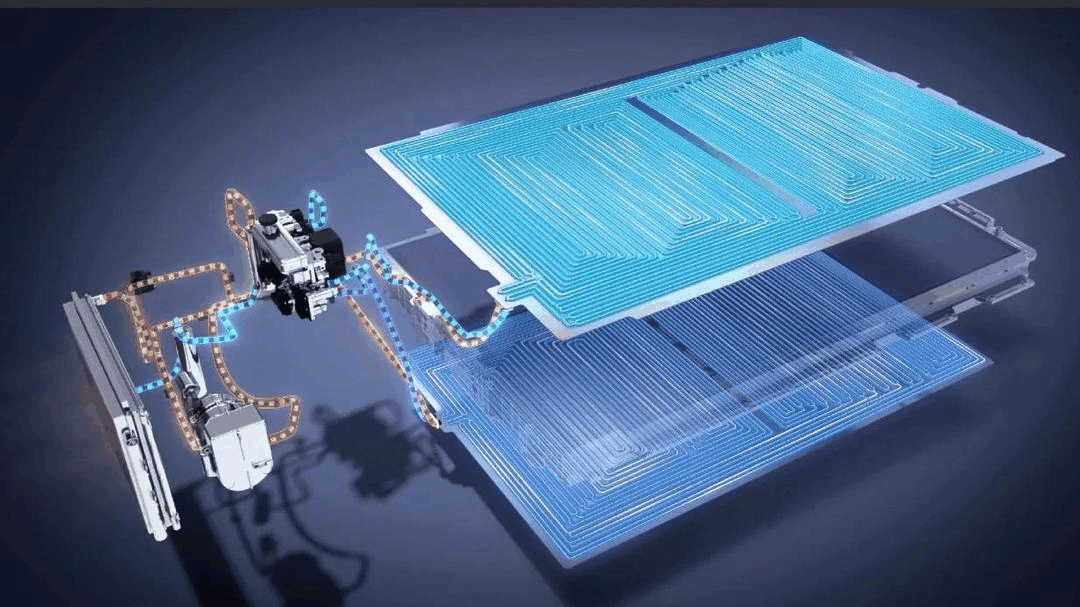
BYD’s proprietary Blade Battery technology provides exceptional safety and longevity, while their latest DM (Dual Mode) plug-in hybrid system delivers impressive range and efficiency. The company’s “Eye of Gods” advanced driver assistance system brings intelligent driving features across their entire lineup.
2025 Model Highlights
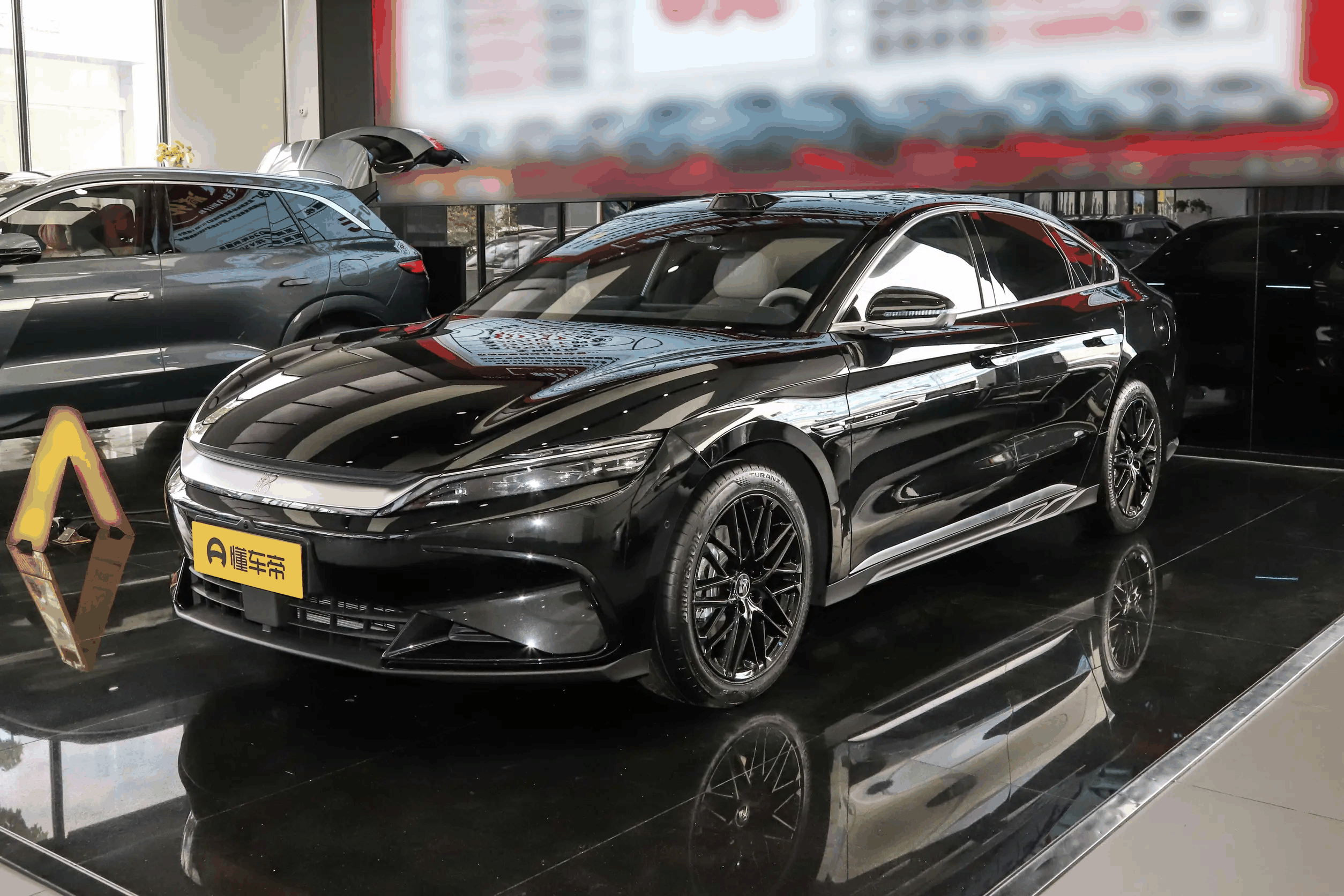
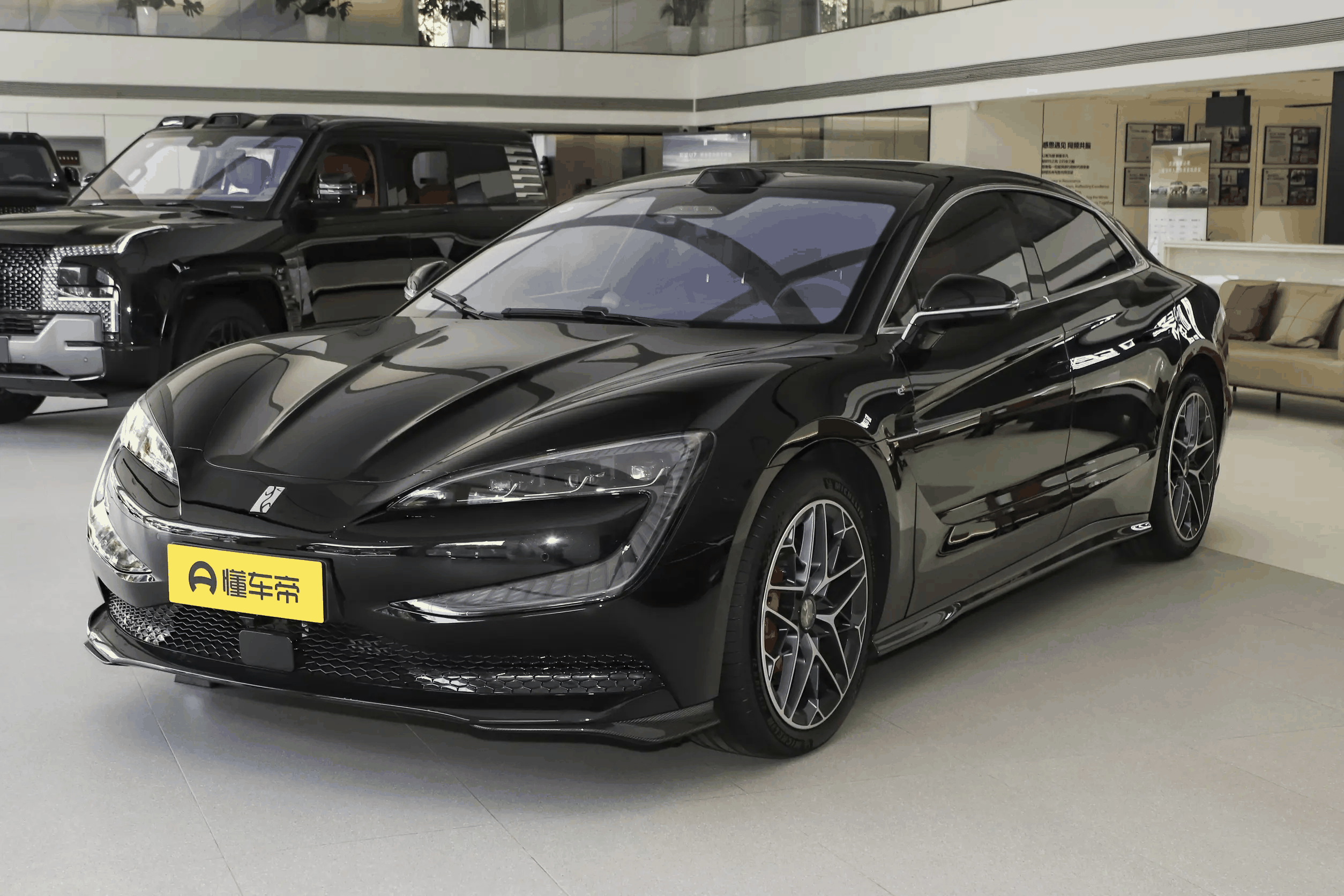
The Han L and Tang L represent BYD’s push into the premium sedan and SUV segments, featuring refined design, cutting-edge battery technology, and comprehensive smart driving capabilities. These models target buyers seeking luxury without the premium brand price tag.
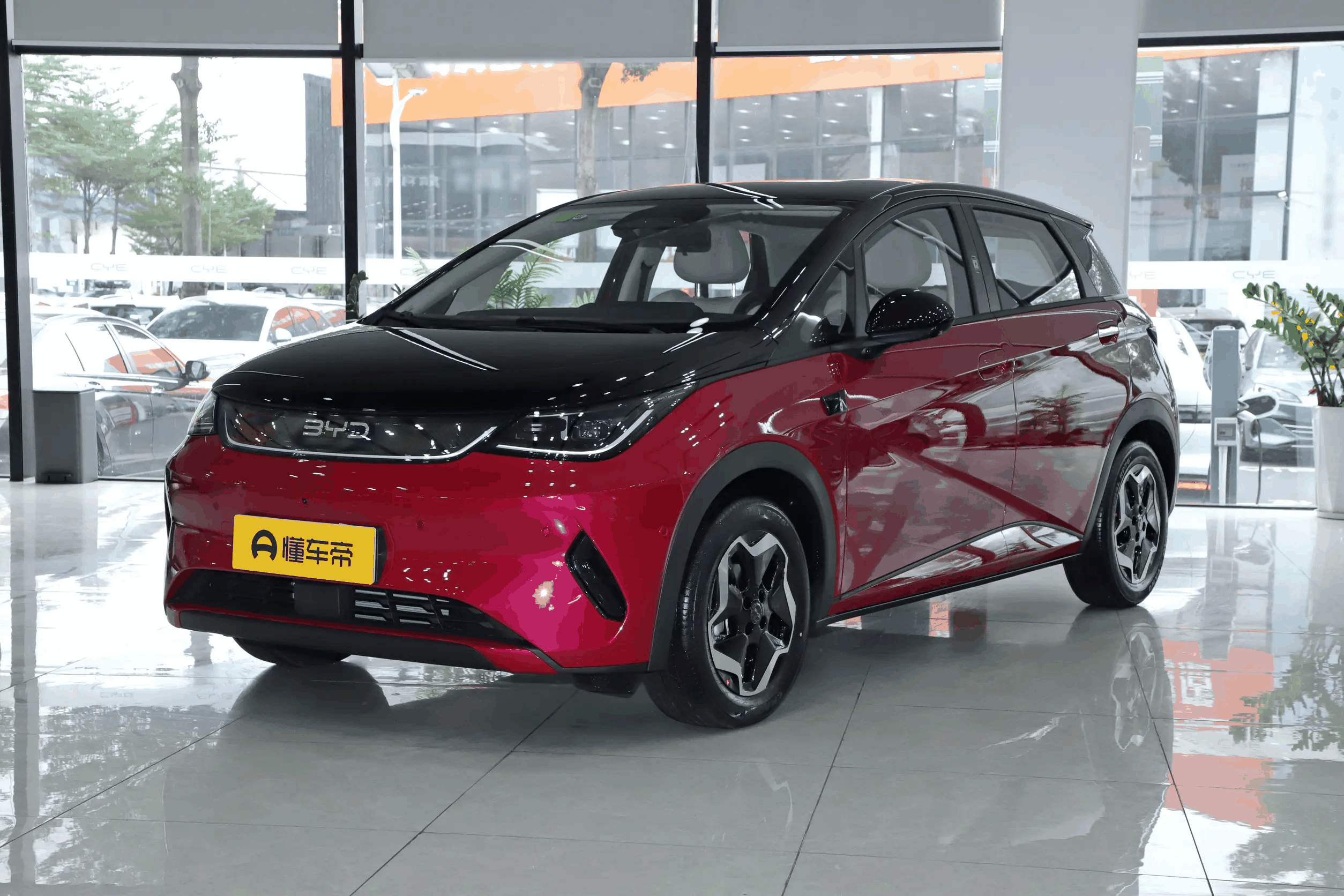
The Dolphin series (05, 06, 07) covers the mainstream market with versatile options including pure electric and plug-in hybrid variants. These models balance practicality, technology, and affordability for everyday drivers.
The refreshed Qin PLUS brings the latest hybrid technology to the entry-level segment, making efficient electric mobility accessible to a broader audience.
At the ultra-premium end, the Yangwang U7 showcases BYD’s engineering capabilities with advanced all-wheel drive systems and active suspension technology, competing directly with established luxury marques.
Li Auto: Premium Extended-Range Pioneer
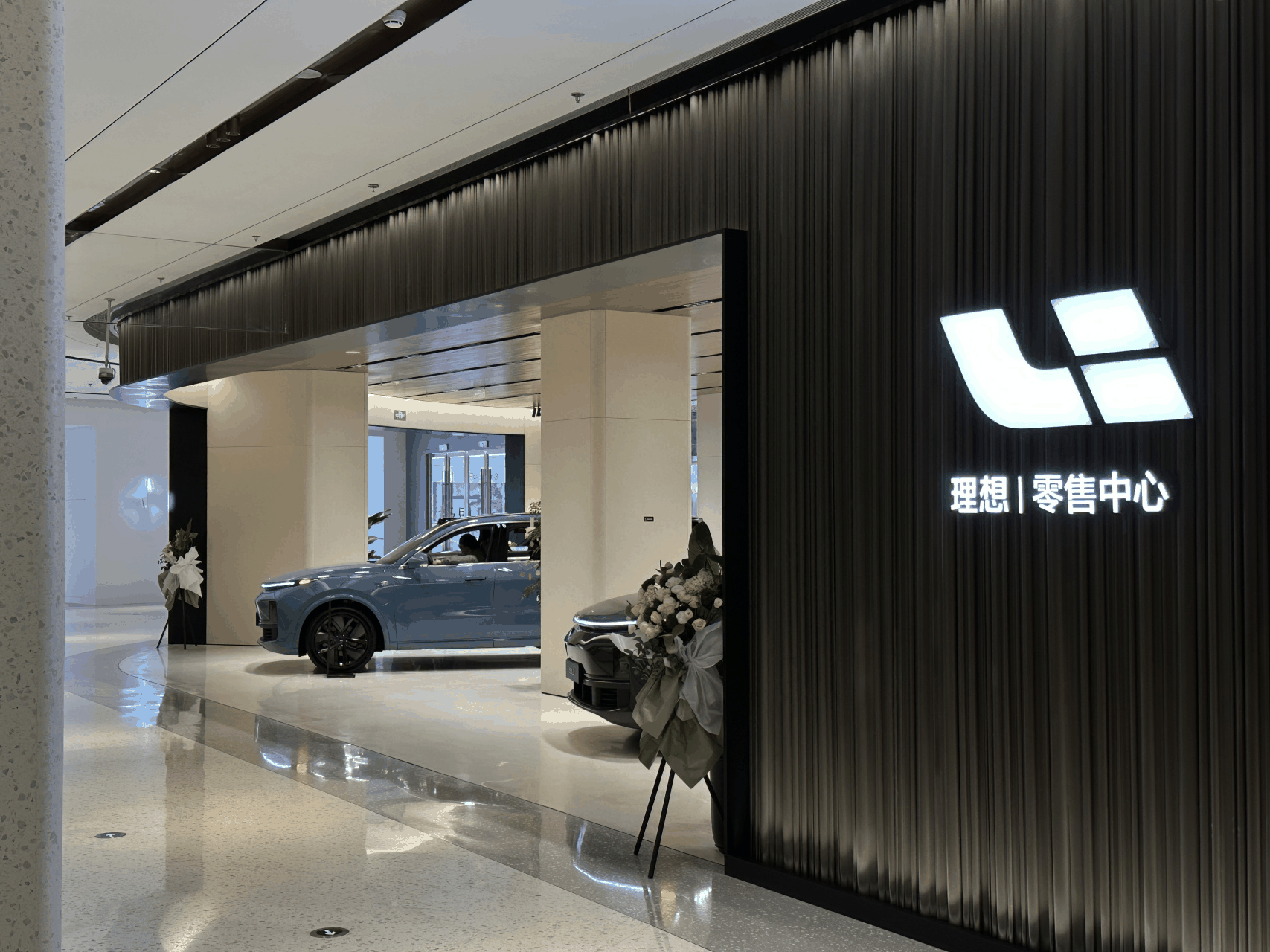
Li Auto carved out a unique position by focusing exclusively on extended-range electric vehicles (EREVs) for families, and is now expanding into pure battery electric vehicles. The brand is known for its premium positioning and family-oriented design philosophy.
Product Philosophy
Li Auto vehicles prioritize spacious interiors, advanced technology integration, and address range anxiety through their extended-range powertrain. The company’s attention to user experience and software development has earned strong customer loyalty and high satisfaction.
2025 Model Lineup
The Li L series represents the brand’s established extended-range SUV family, featuring three-row seating, luxurious interiors, and comprehensive smart driving systems. These models cater to families seeking space, comfort, and technology without compromise.
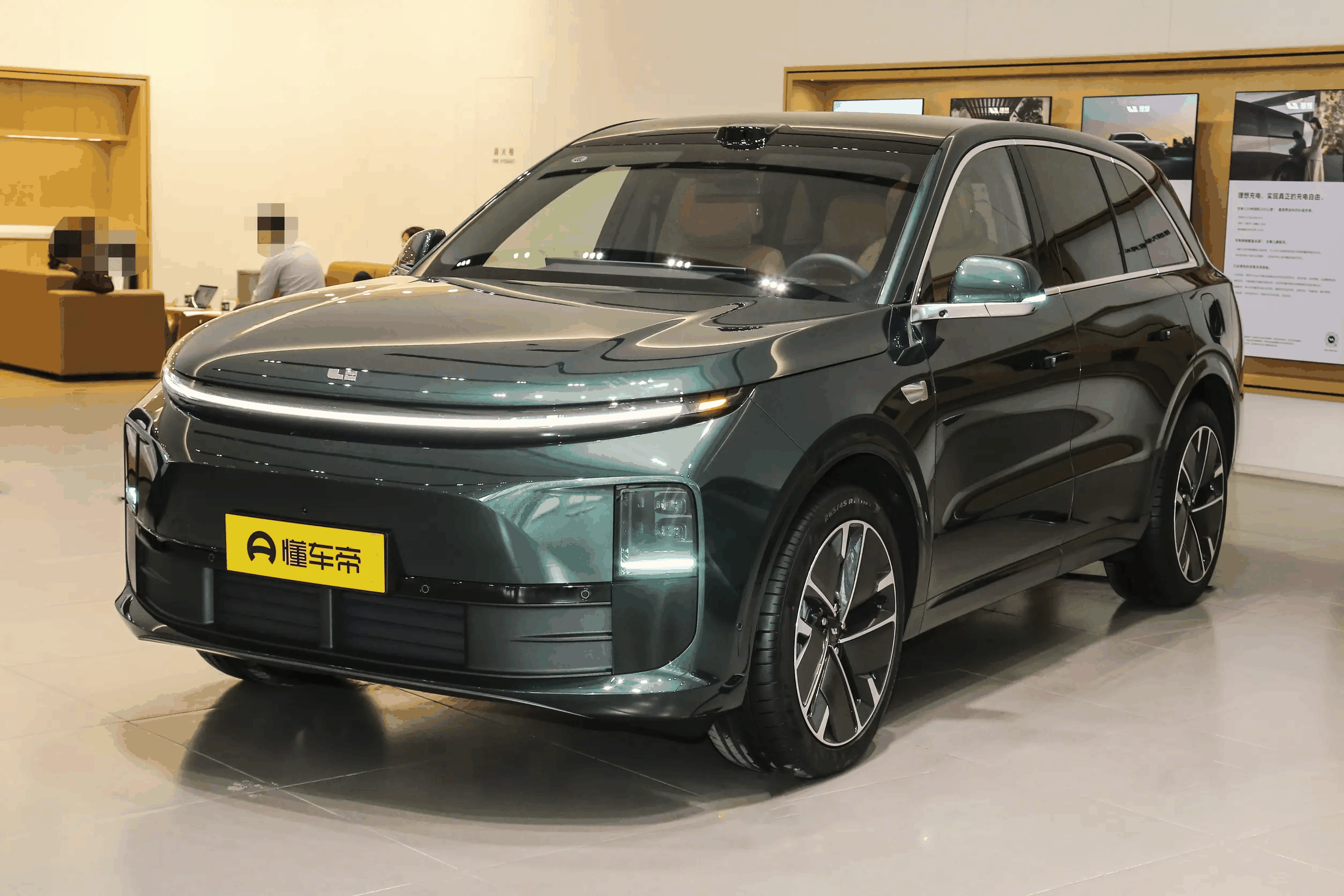
This year marks Li Auto’s entry into pure electric vehicles with the Li i8 and Li i6. The i8 is a large three-row SUV, while the i6 targets buyers seeking a more compact five-seat configuration. Both models feature ultra-fast charging capabilities and advanced autonomous driving hardware.
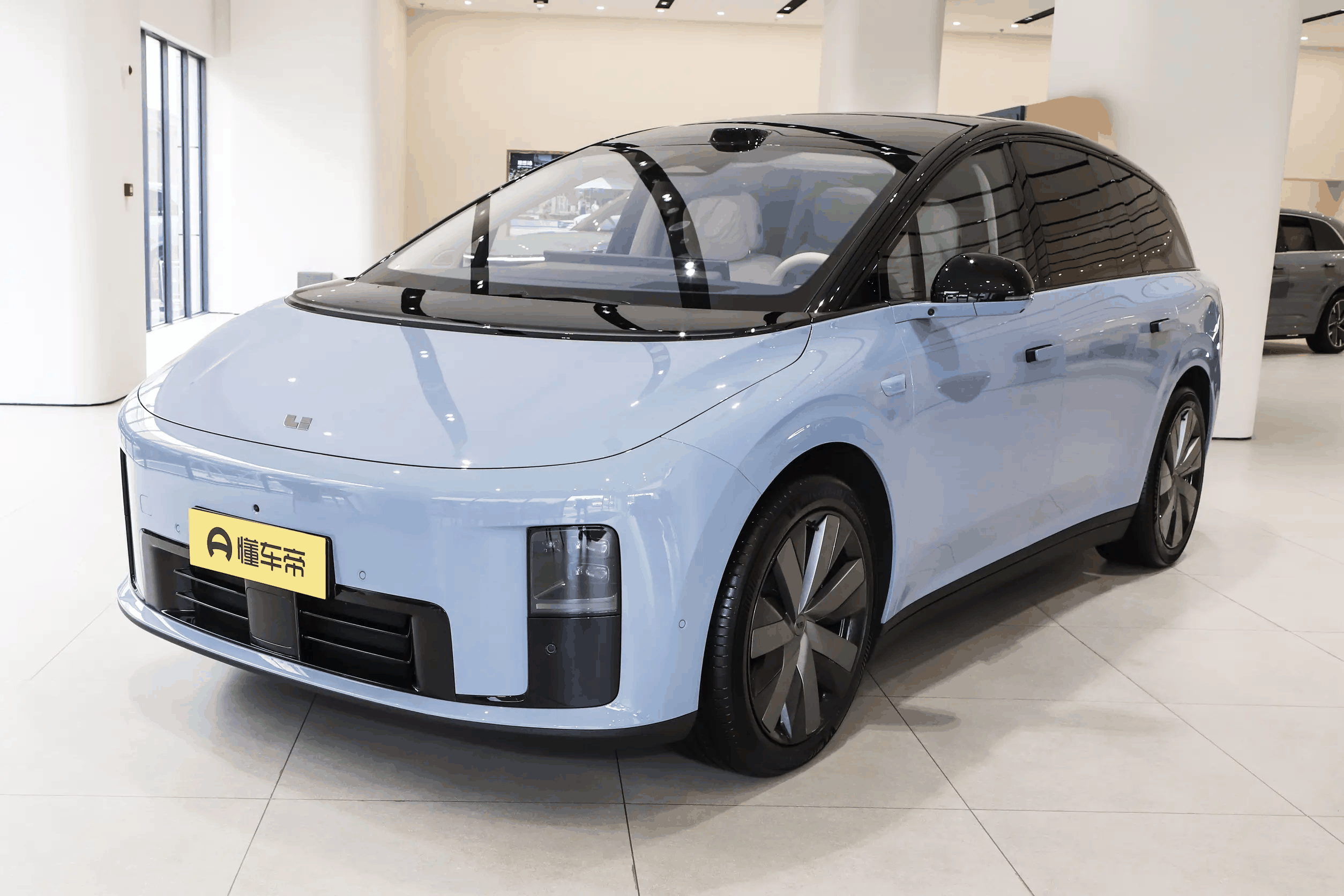
The MEGA electric MPV continues to serve as Li Auto’s flagship, offering van-like space with car-like driving dynamics, appealing to families and commercial users alike.
NIO: Luxury Innovation with Three Brands
NIO positions itself as China’s answer to premium European brands, emphasizing performance, technology, and innovative business models like battery swapping. The company’s expansion into three distinct brands represents an ambitious growth strategy.
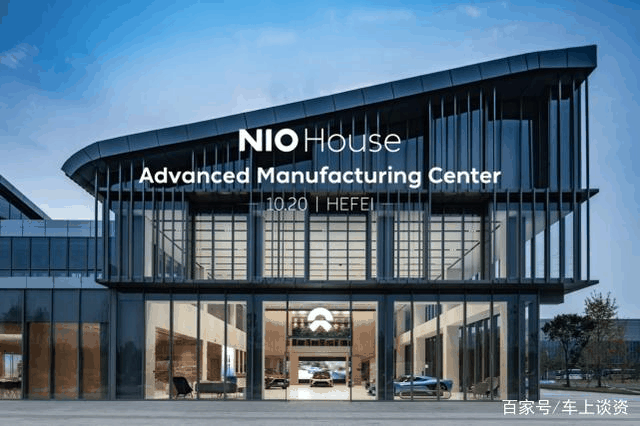
The NIO Brand
The main NIO brand continues to focus on premium electric SUVs and sedans. The ET9 flagship sedan embodies the brand’s technological edge with ultra-fast charging architecture and impressive performance metrics.
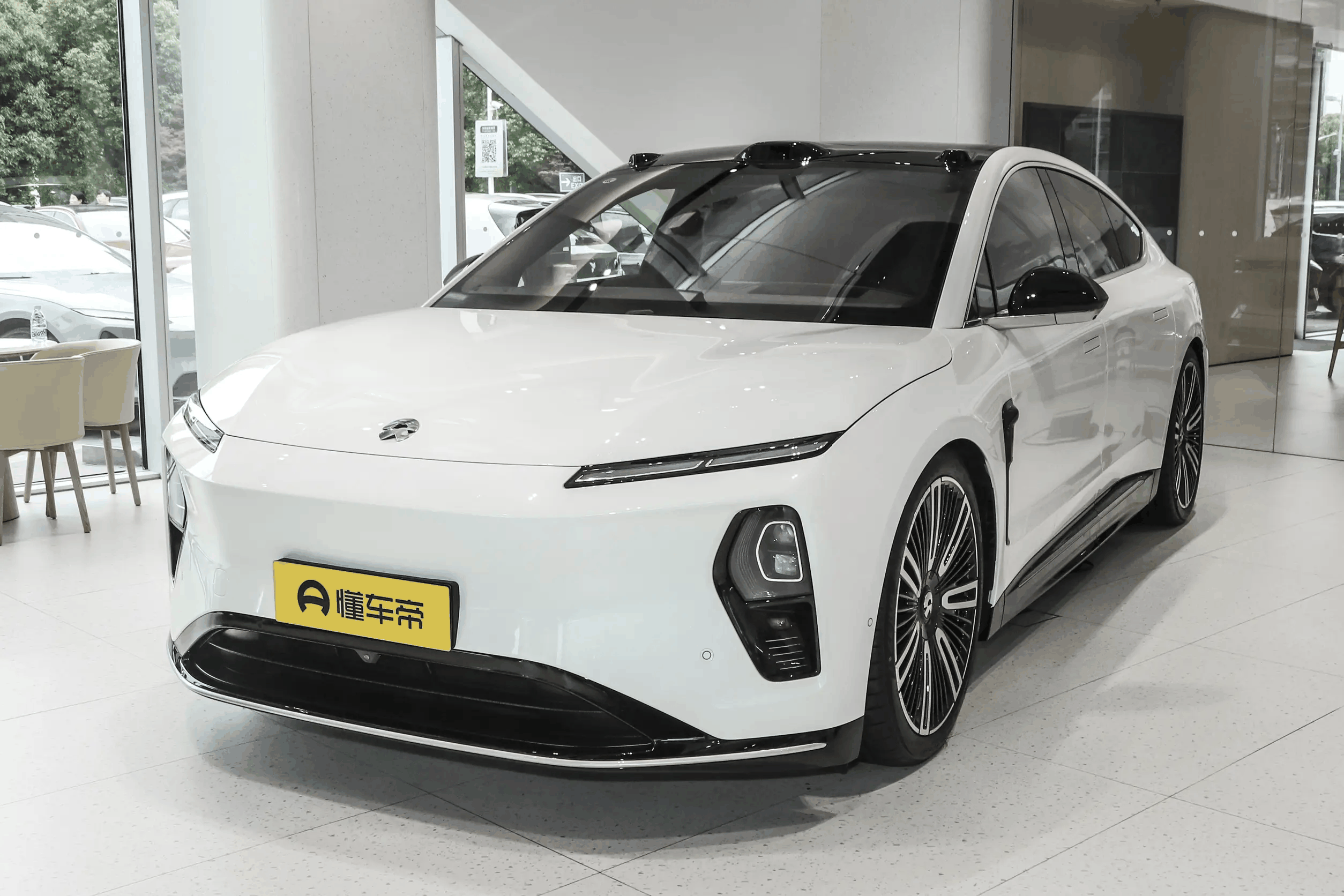
NIO is refreshing its core lineup including the ES6, EC6, and ET5, bringing updated designs and the latest autonomous driving technology to these popular models.
The ONVO Brand
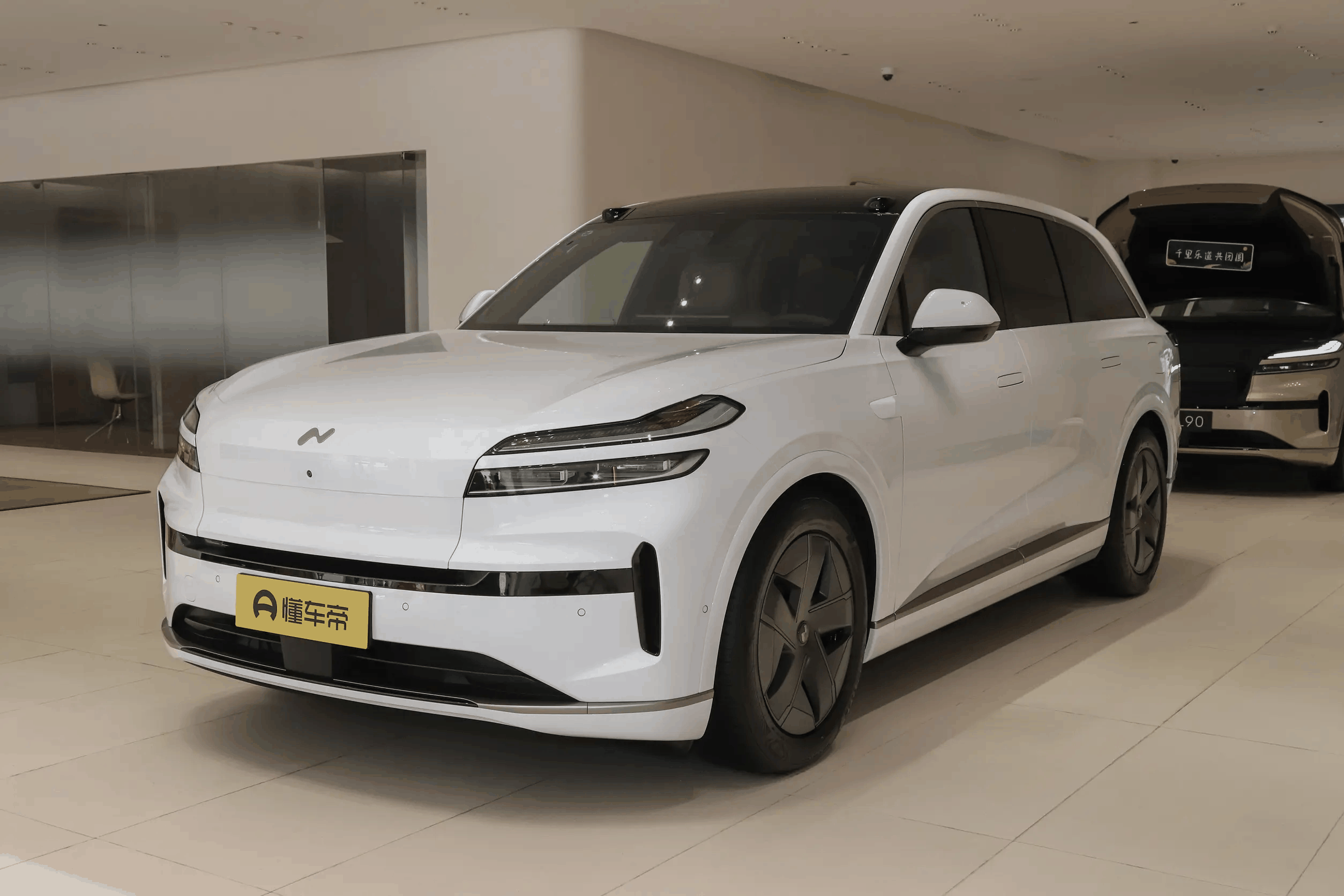
ONVO serves as NIO’s mainstream brand, offering more accessible pricing while retaining strong technology credentials. The L60 has already launched, with the six-seat L90 large SUV and five-seat L80 coming later this year to complete the family SUV range.
The Firefly Brand
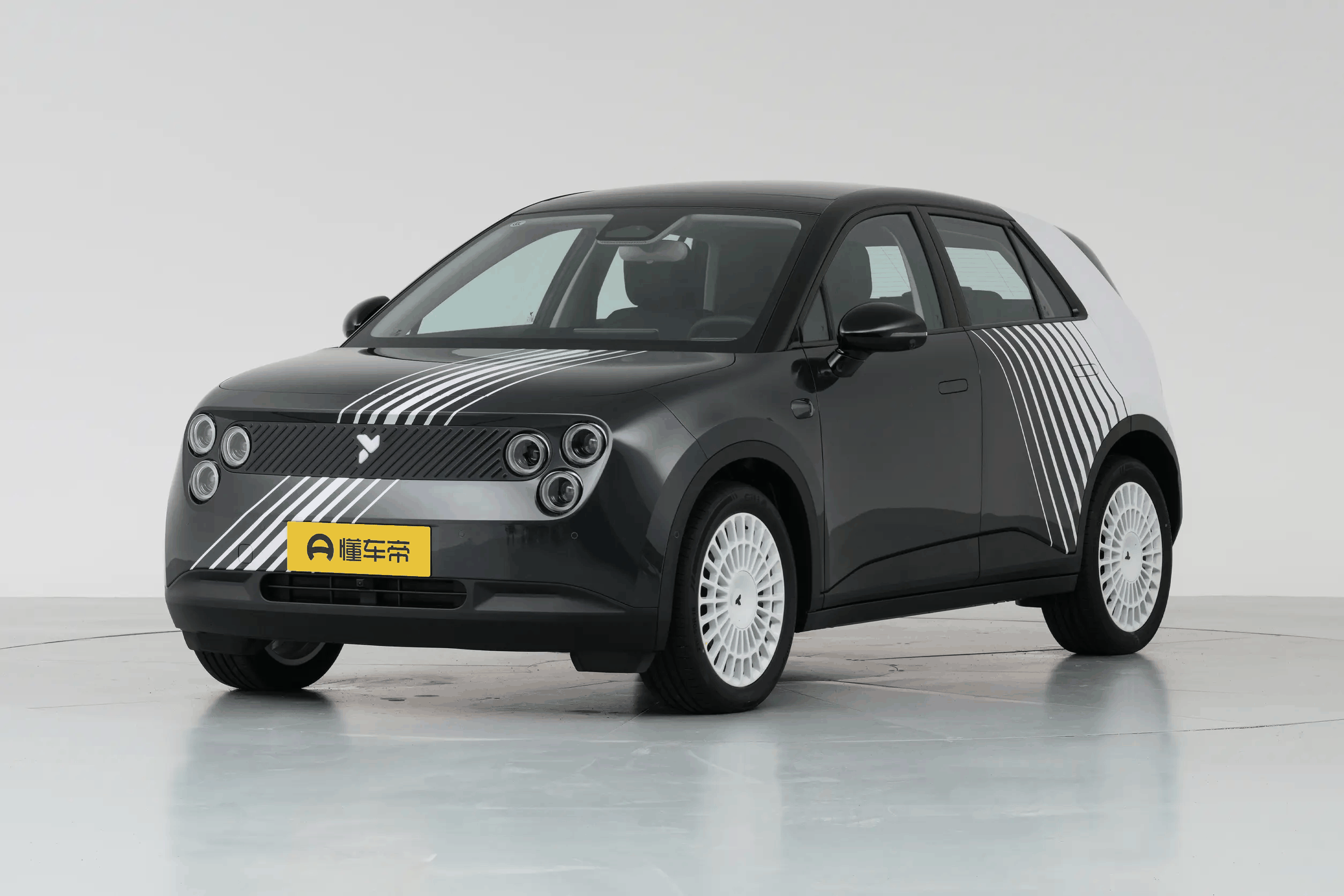
Firefly represents NIO’s entry into the compact, urban mobility segment. Launching in April, this brand targets younger buyers and city dwellers with smart, stylish vehicles priced competitively against international compact EVs like MINI and Smart.
XPeng: The Smart Driving Specialist
XPeng has established itself as the leader in autonomous driving technology in China’s EV sector. The company’s focus on artificial intelligence and software development sets it apart in an increasingly crowded market.
Technology Leadership
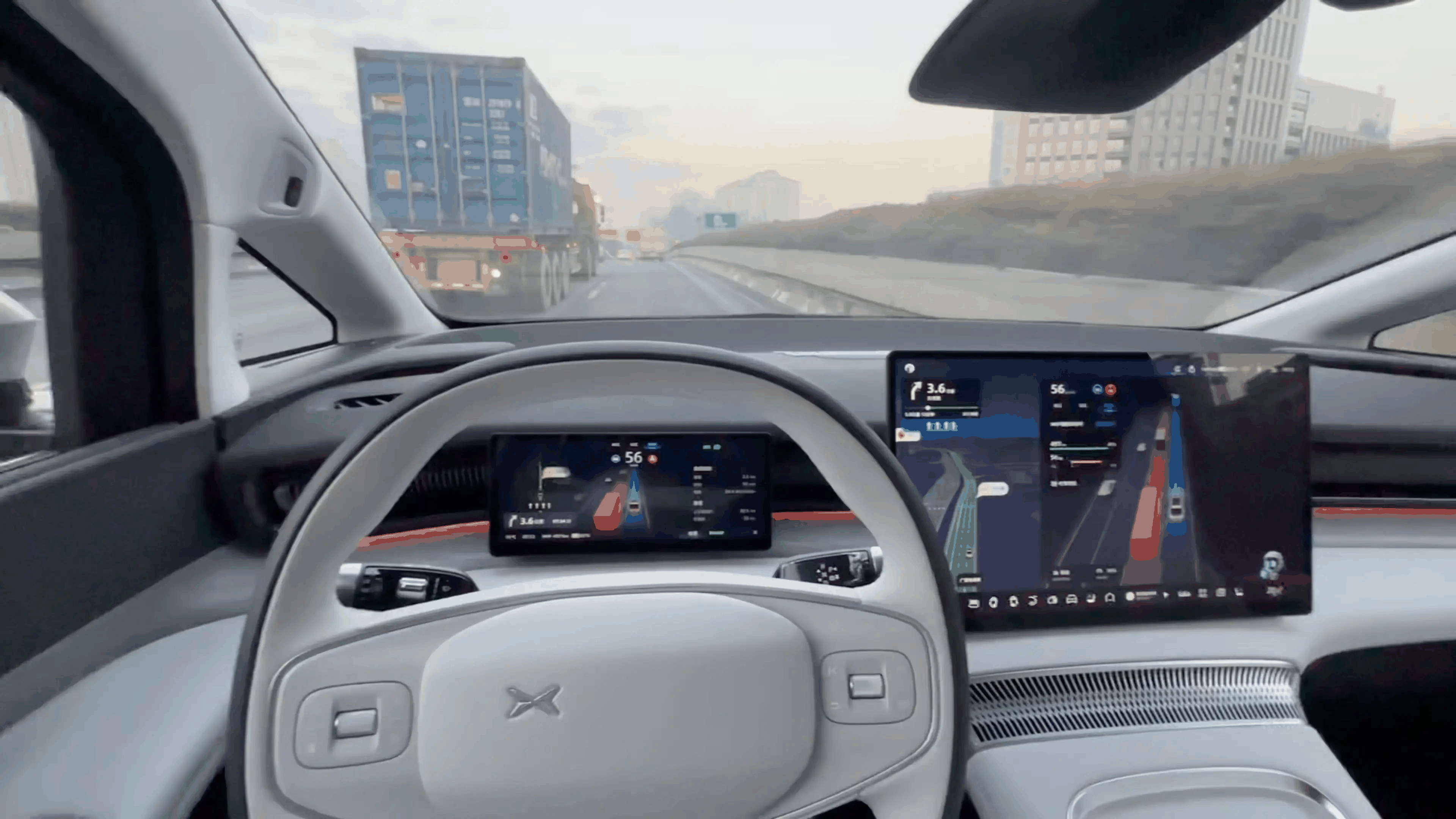
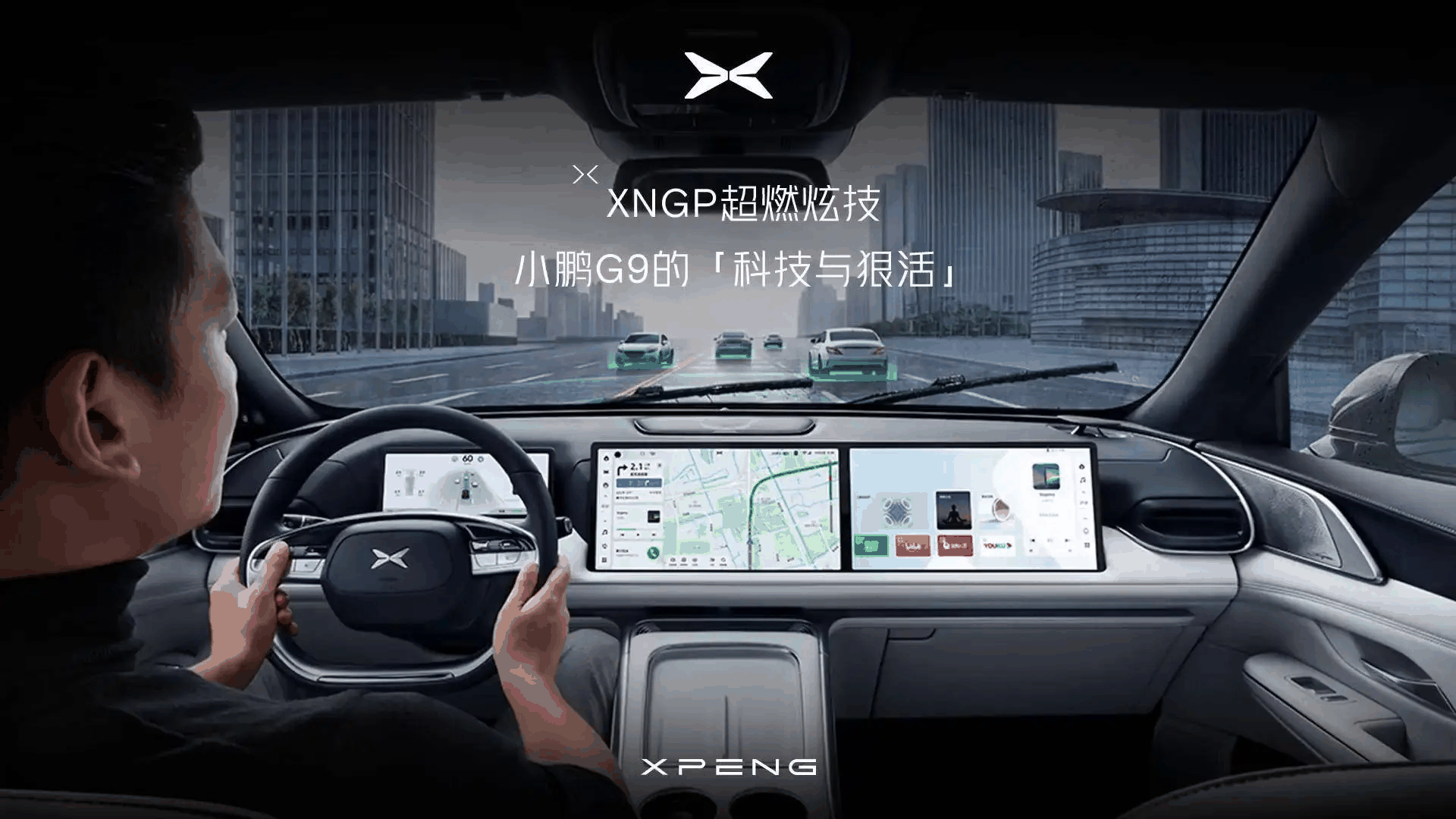
XPeng’s XNGP (X Navigation Guided Pilot) system enables city-wide autonomous driving across hundreds of Chinese cities, representing one of the most advanced commercially available systems globally. The company’s investment in AI and machine learning continues to push the boundaries of what’s possible in autonomous driving.
2025 Product Strategy
The new G7 mid-size SUV enters the highly competitive segment dominated by Tesla’s Model Y, bringing XPeng’s autonomous driving advantages to a broader audience.
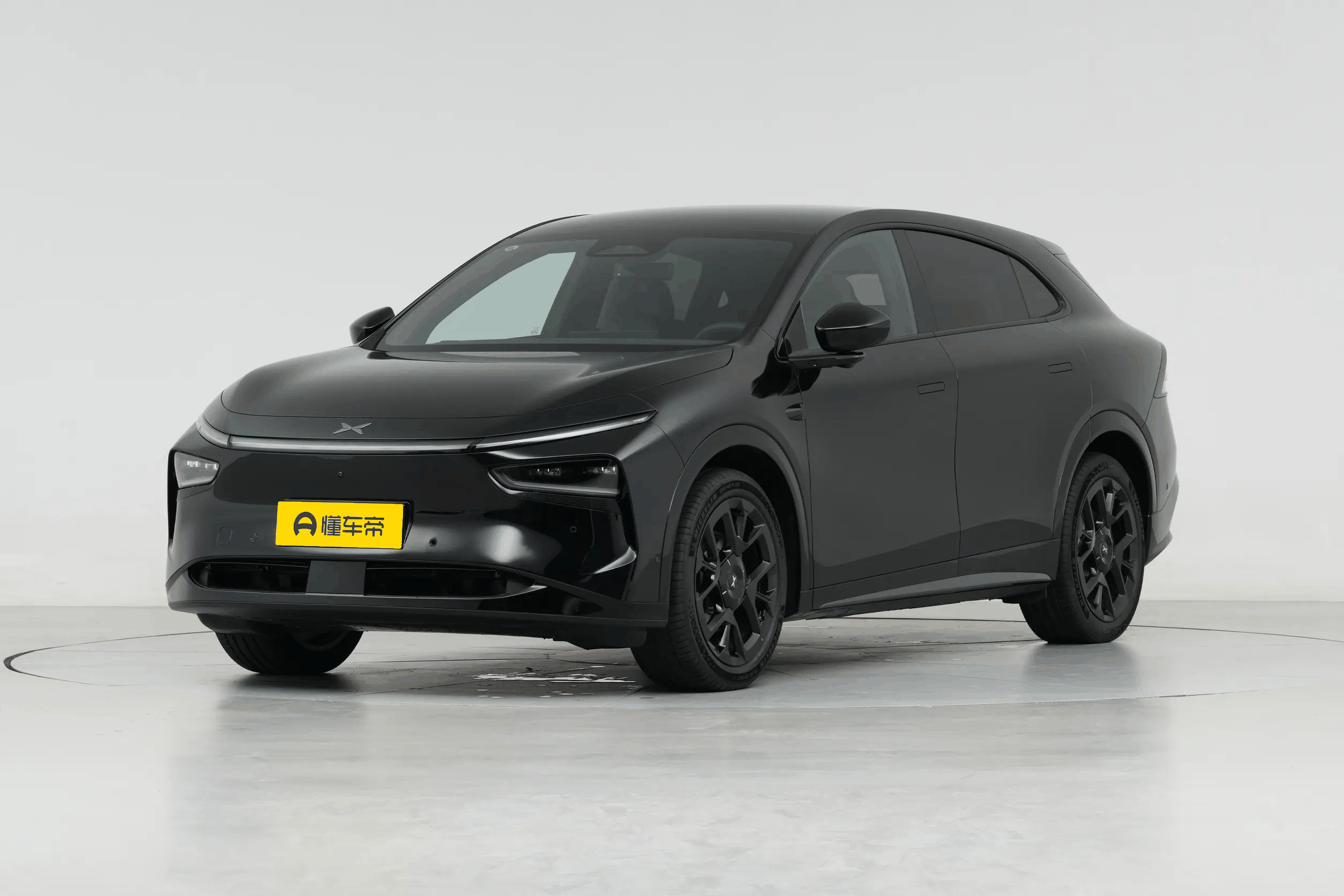
XPeng is also launching its first extended-range electric vehicle this year, acknowledging that some buyers still prefer the flexibility of a hybrid powertrain despite the brand’s pure-EV heritage.
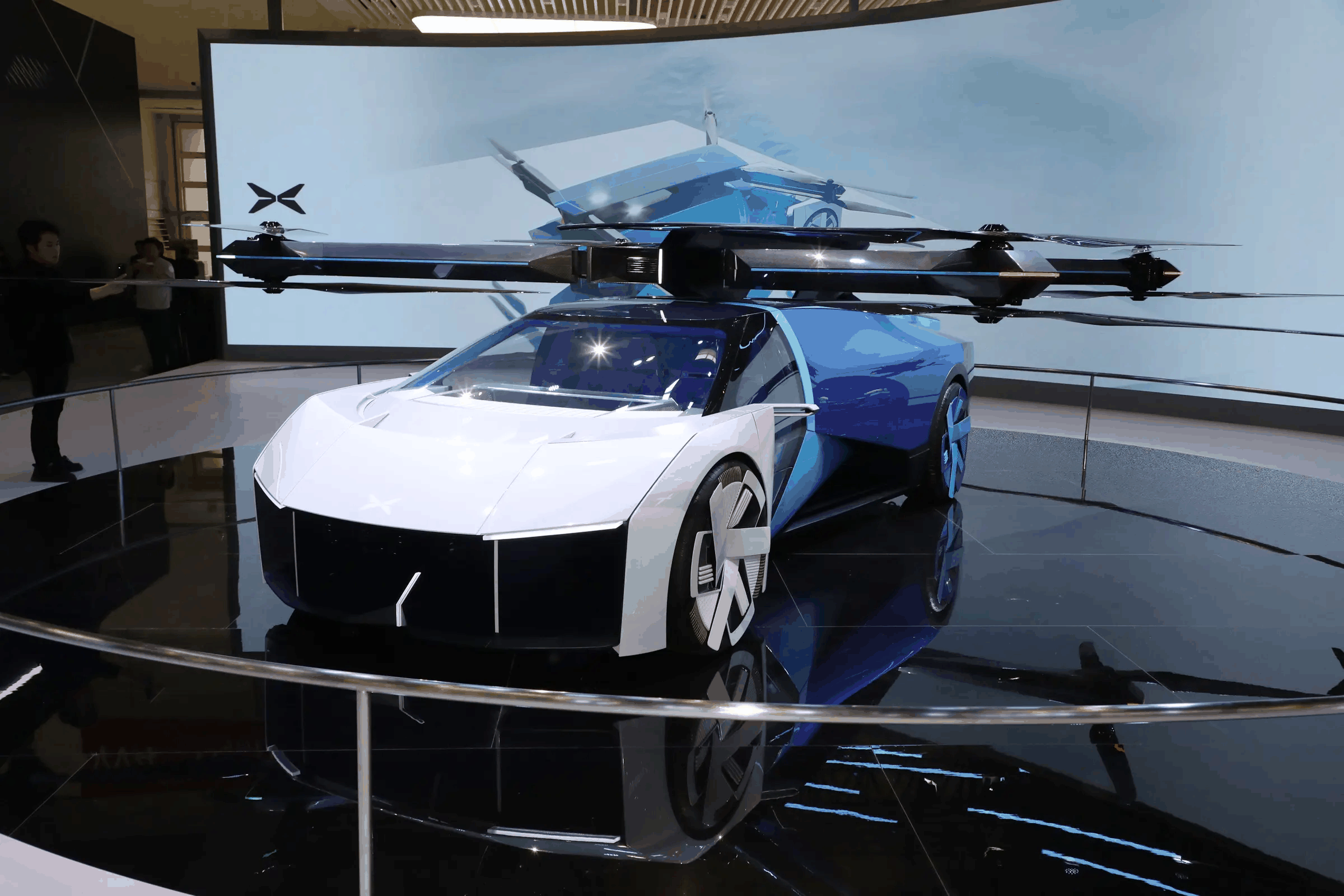
The most ambitious project is the Land Aircraft Carrier, XPeng’s flying car concept becoming reality. This groundbreaking vehicle represents the company’s vision for future mobility, combining ground and air transportation in a single package.
Huawei AITO: The Tech Giant’s Automotive Venture
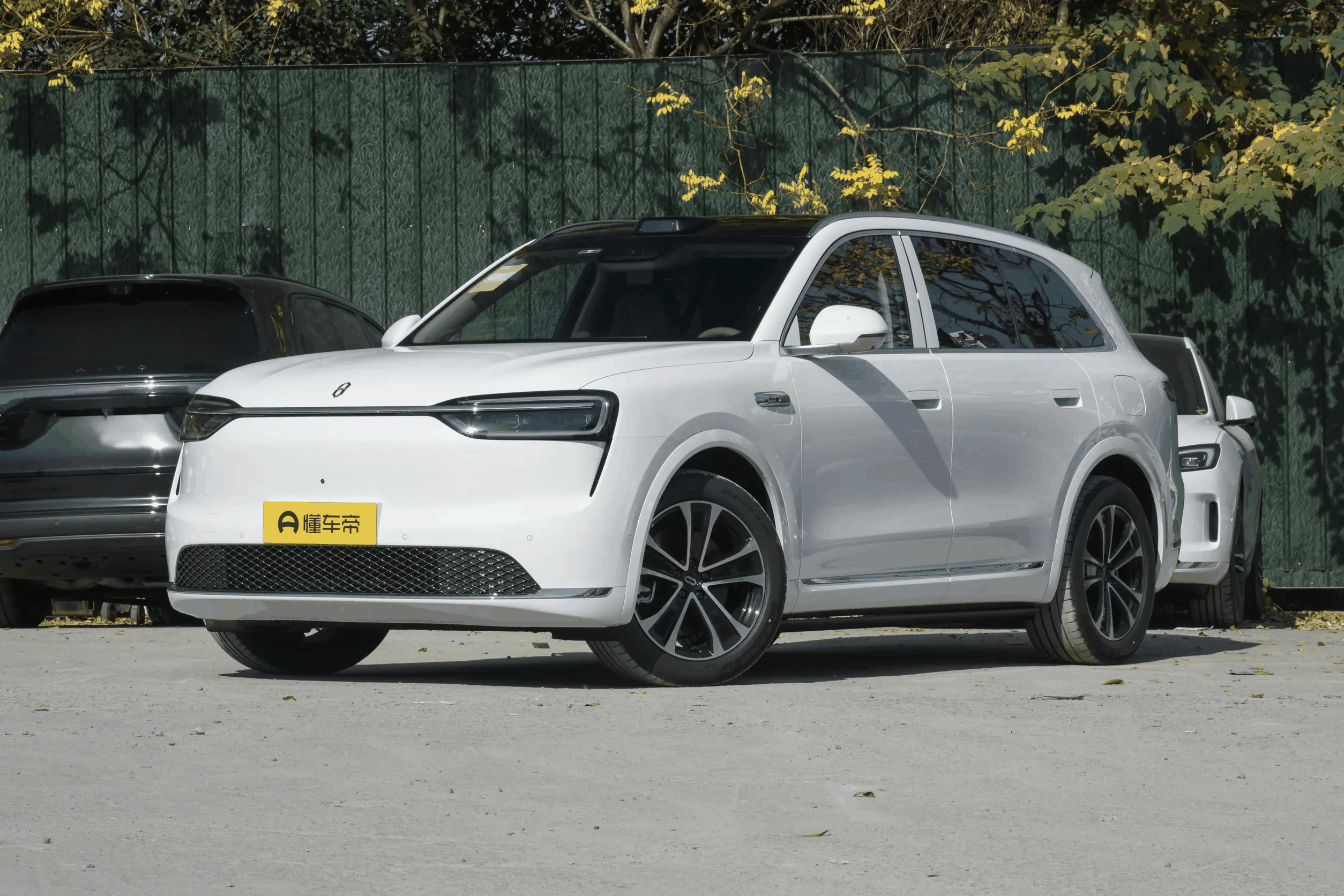
Huawei’s deep integration in automotive technology through its HarmonyOS smart cockpit and autonomous driving systems has made AITO a formidable competitor. The brand leverages Huawei’s software expertise and ecosystem integration.
Smart Technology Integration
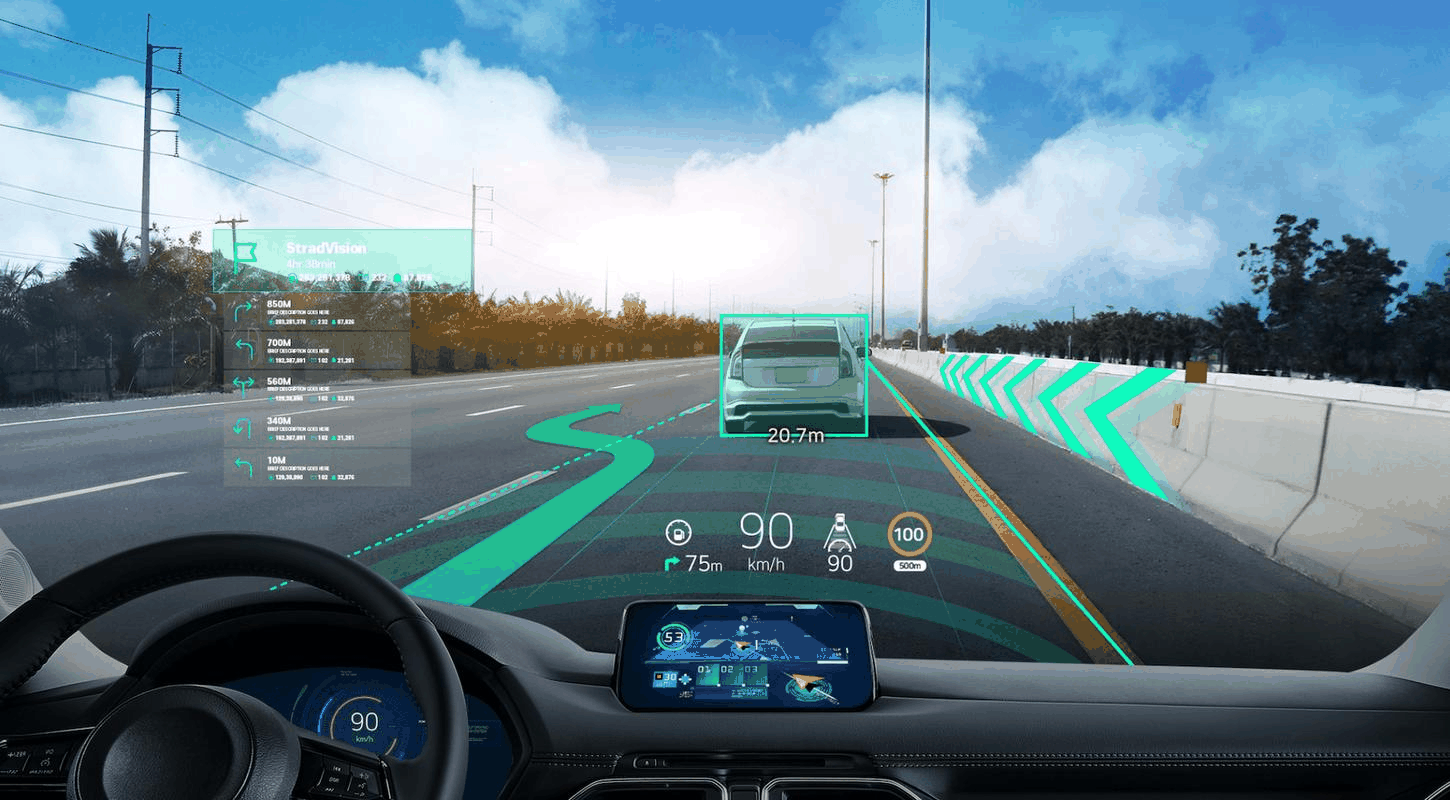
AITO vehicles feature Huawei’s Qiankun ADS autonomous driving system, which offers seamless “parking-to-parking” navigation. The integration with Huawei’s ecosystem of devices provides unique connectivity features unavailable in competing vehicles.
The M5 Ultra and upcoming M8 represent the brand’s premium offerings, while new models like the Luxeed S9 and Maextro S800 expand coverage across multiple segments.
Xiaomi: The Tech Disruptor
Xiaomi’s entry into automotive manufacturing represents the convergence of consumer electronics and mobility. The company’s massive smartphone user base and ecosystem integration create unique advantages.
The SU7 Phenomenon
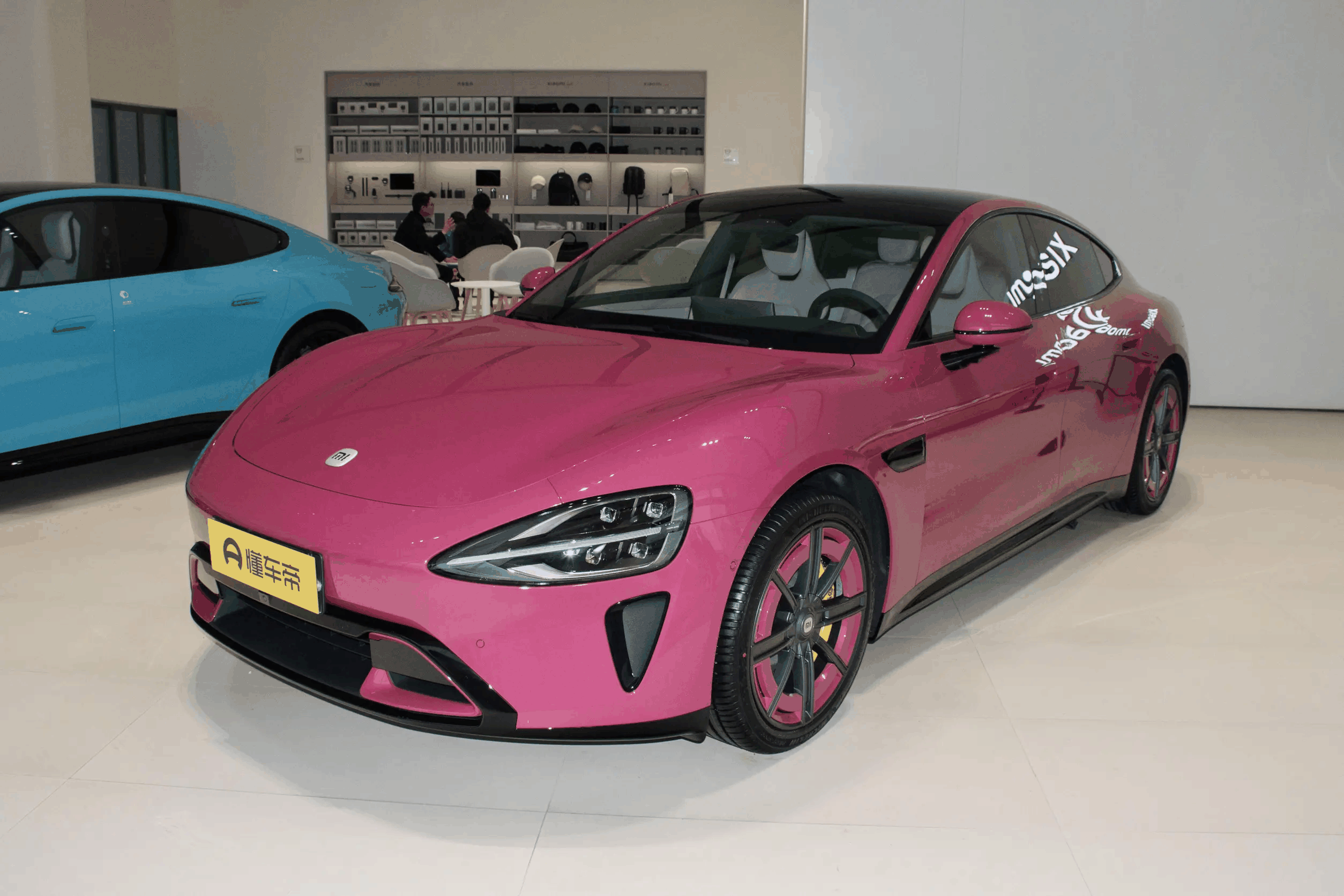
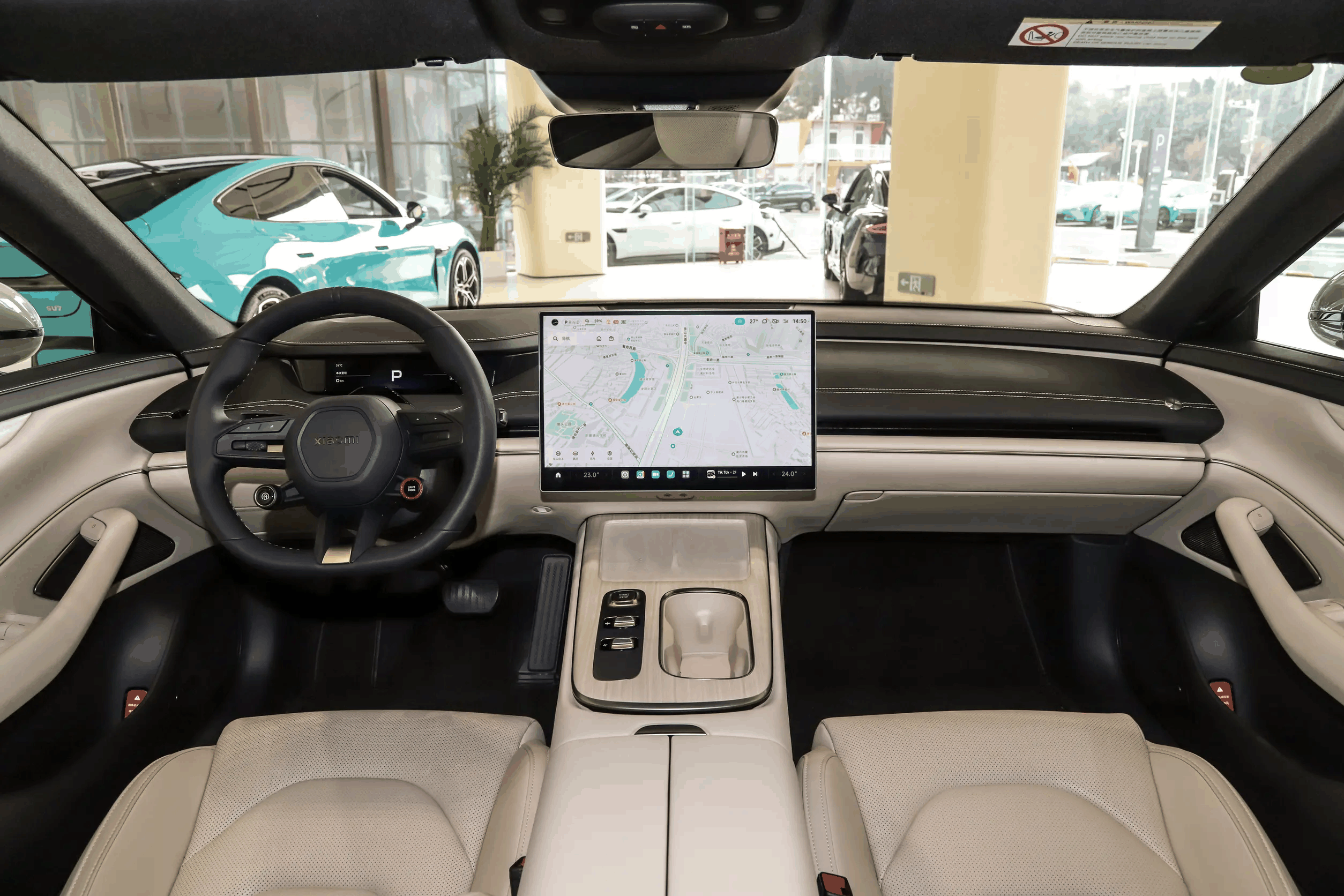
The Xiaomi SU7 electric sports sedan has become a cultural phenomenon, attracting buyers with its sleek design, impressive performance, and seamless integration with Xiaomi’s smart home ecosystem. The vehicle demonstrates how tech companies can successfully enter the automotive space by leveraging their existing strengths.
Other Notable Players
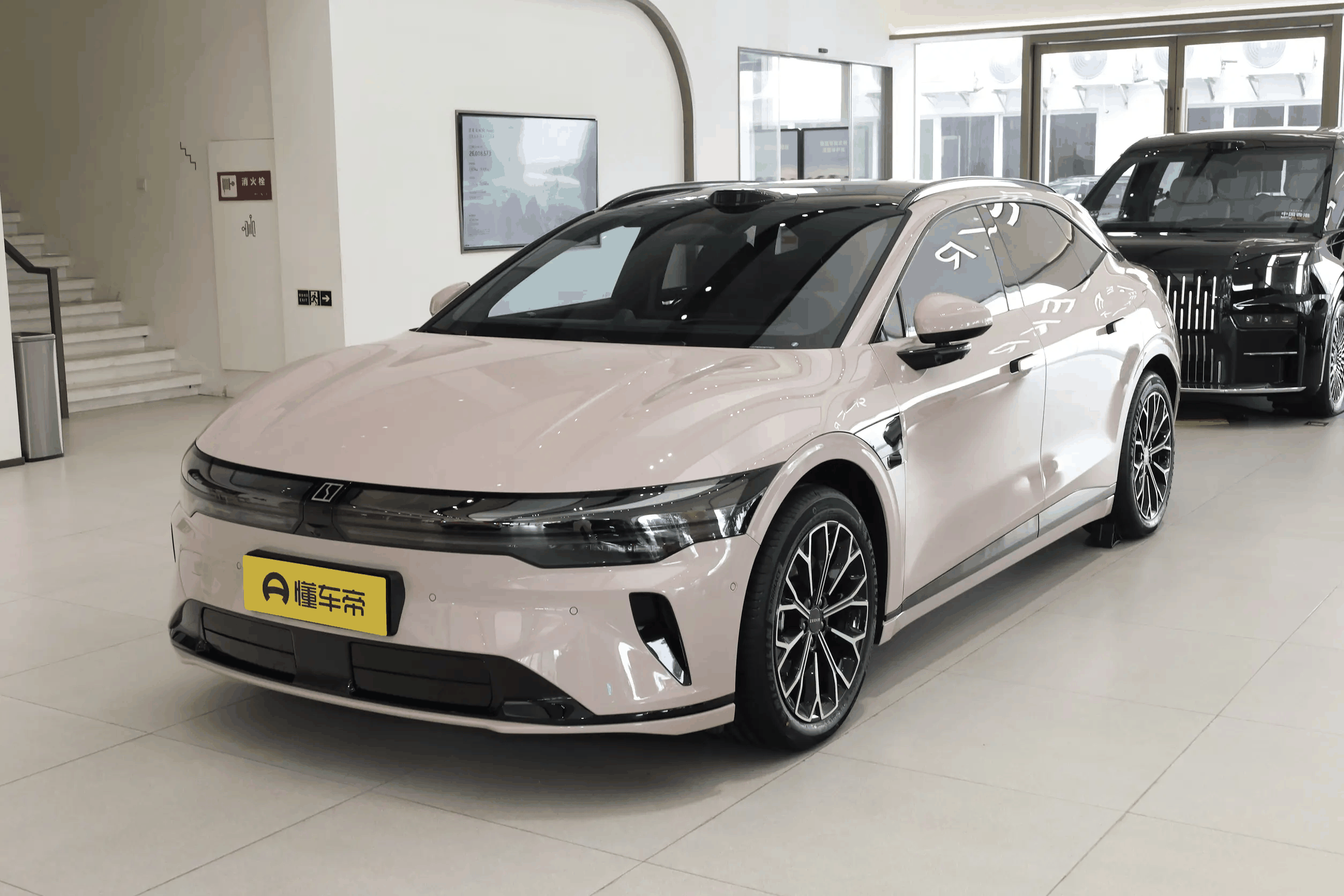
Zeekr continues to expand Geely’s premium electric vehicle portfolio with models like the 007GT shooting brake and the flagship 9X SUV, combining European design sensibilities with Chinese technology.
Leapmotor focuses on value-oriented electric vehicles, bringing advanced features to more affordable price points with its upcoming B-series models.
The Future of Chinese EVs
Chinese electric vehicle manufacturers are no longer simply competing domestically—they’re becoming global players. Their rapid innovation in battery technology, autonomous driving, and connected car features is helping to set new standards for the industry worldwide. As these companies continue to evolve, they’re not just building cars; they’re reimagining what personal mobility can be in the 21st century.