
Keywords: Chinese television, award-winning actors, iconic performances, industry recognition
The Pinnacle of Performance: Defining China’s Top Television Actors
Countless actors appear on screen, but only a select few are remembered and revered as “top-tier” by audiences. In today’s data-driven era, the measure of an elite actor is no longer solely popularity or traffic metrics, but a comprehensive blend of acting skill, substantive body of work, professional accolades, and market influence.
Awards as Evidence: The Professional Benchmark
In Chinese television, national-level professional awards are the most authoritative measure of an actor’s caliber. The “Big Three” awards—the Feitian Award, the Golden Eagle Award, and the Magnolia Award—constitute the highest honor system in Chinese television.
The Feitian Award, hosted by the National Radio and Television Administration, is the governmental award in the national television drama field. The Golden Eagle Award, organized by the China Federation of Literary and Art Circles and the China Television Artists Association, is the only national award primarily determined by audience vote. The Magnolia Award represents the discerning eye of the industry itself. Consistent recognition across these three major awards is a standard hallmark of a top actor.
Even more rare is the title of “Grand Slam Best Actor,” signifying an actor who has won the Best Actor prize in all three major awards. Only a handful of performers have achieved this, placing them at the widely acknowledged “pinnacle” of the industry. In recent years, actors like Lei Jiayin, Sun Honglei, and Zhang Guoli have all accomplished this grand slam feat.
Substantive Body of Work: Roles as an Actor’s Most Enduring Monument
Another common trait among top actors is the possession of one or more deeply resonant classic roles, supported by a portfolio of high-scoring works that withstand the test of time.
Chen Baoguo is a quintessential representative. He boasts five television dramas with Douban ratings above 9.0, including The Ming Dynasty 1566 (9.7) and The Grand Mansion Gate (9.4). In the latter, he portrays the character Bai Jingqi from impetuous youth through to weathered old age, masterfully capturing his audacity, gallantry, and eventual world-weariness.
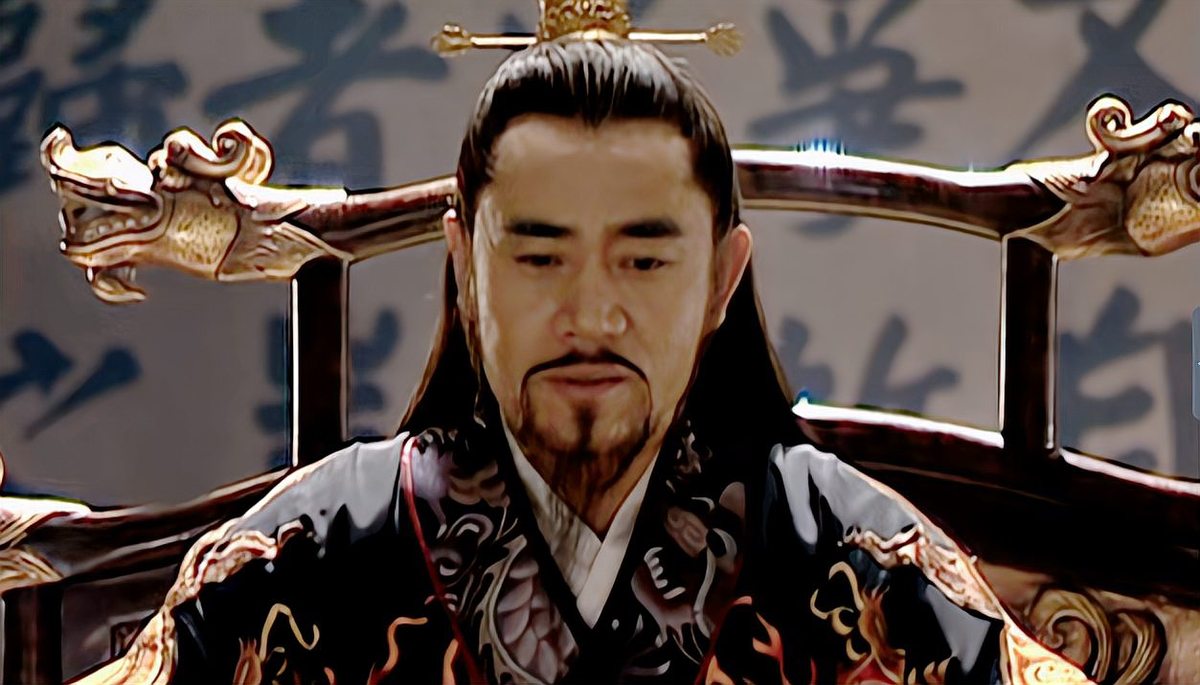
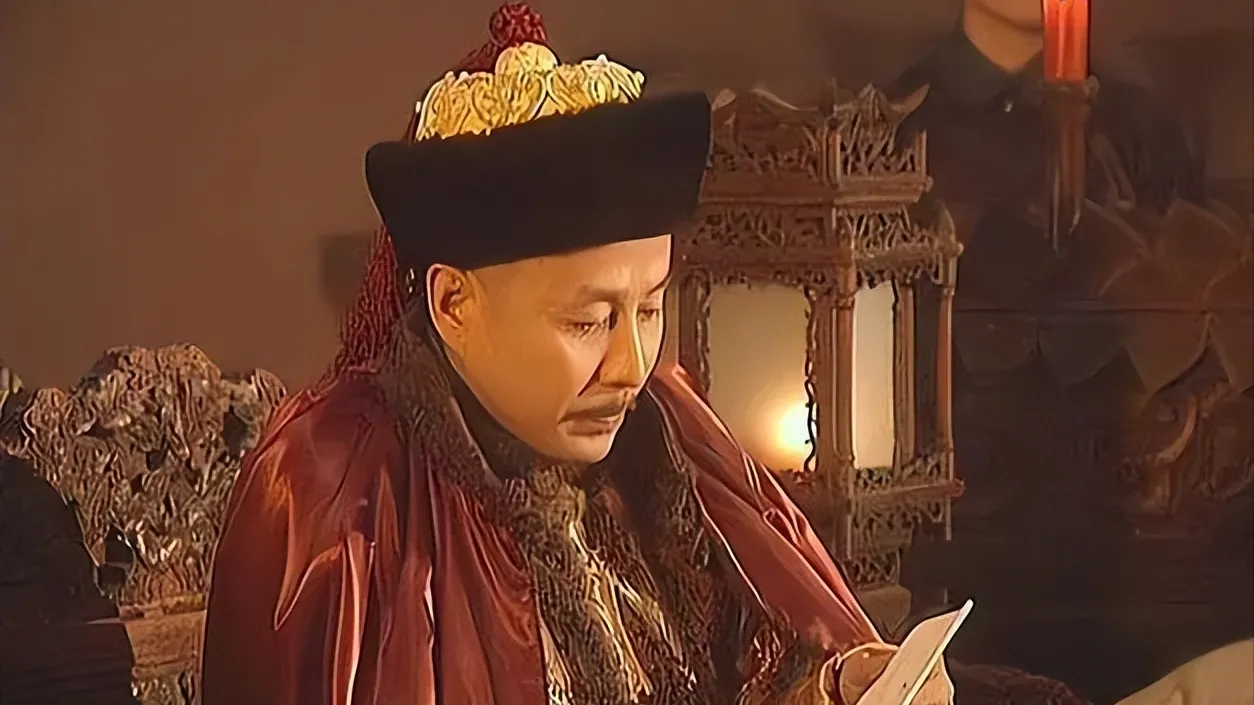
Similarly, Chen Daoming has defined “top-tier” through iconic roles. His portrayal of the Kangxi Emperor in Kangxi Dynasty, charting the character’s journey from a spirited youth to a lonely, desolate old age, is hailed as the “pinnacle of emperor portrayals.” This ability to successfully take on high-difficulty, highly complex roles and thereby create works worthy of repeated viewing and deep reflection is the most valuable asset of a top actor.
Passing the Torch: The Evolution of Excellence Across Generations
As television art continuously evolves, so does the lineup of top actors, with mid-career and emerging performers demonstrating exceptional skill to carry the torch and set new standards.
Hu Ge’s transformation is a model example. He successfully evolved from a top star in historical idol dramas like Chinese Paladin to an award-winning powerhouse, securing both the Magnolia and Golden Eagle Best Actor awards for works like Nirvana in Fire and Blossoms Shanghai.
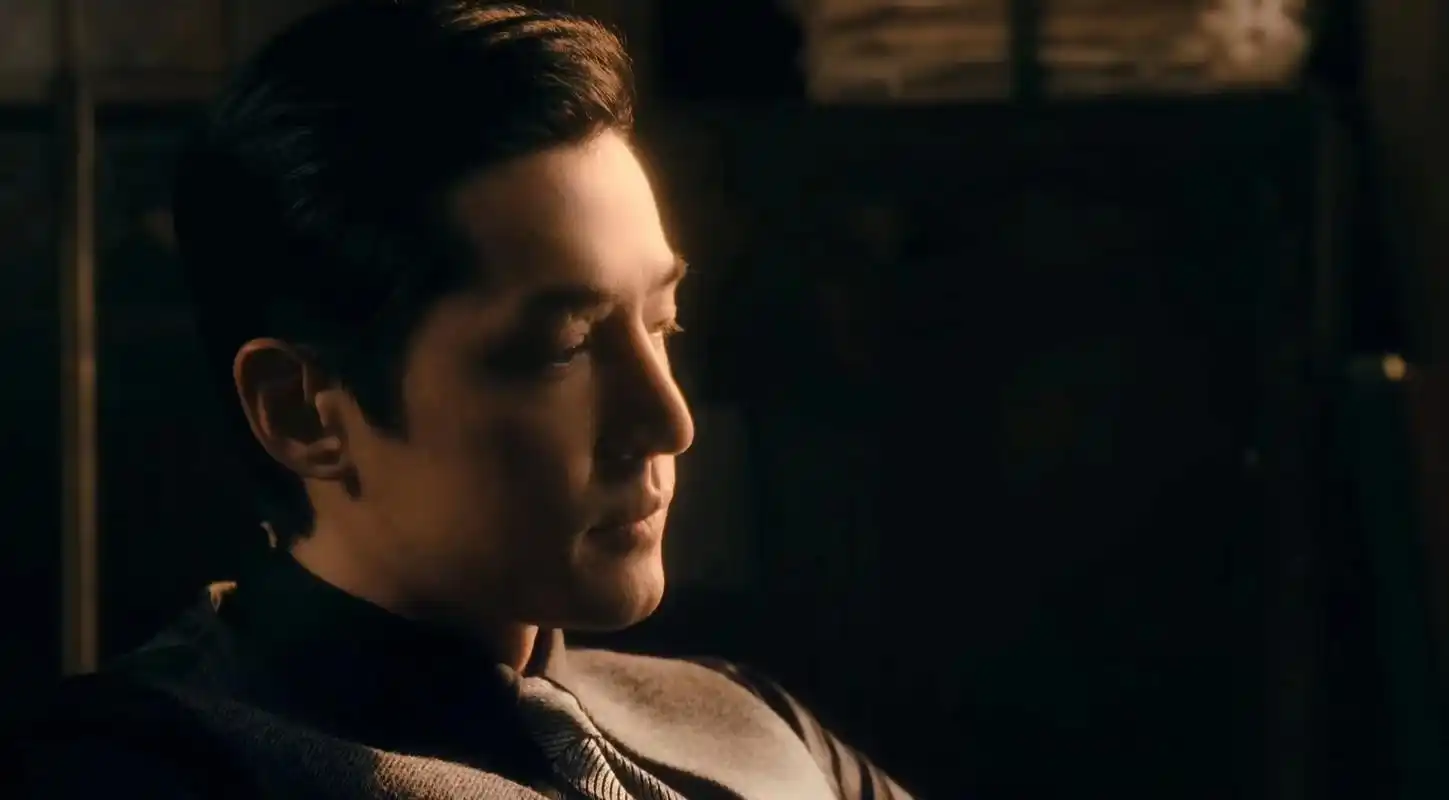
Lei Jiayin’s rise exemplifies “success through sustained accumulation.” From the memorable “ex-husband” in The First Half of My Life to the profoundly moving Zhou Bingkun in A Lifelong Journey, he achieved a leap from being “remembered” to being “acclaimed.” For his outstanding performance in A Lifelong Journey, he not only won the Golden Eagle Award for Best Actor but also completed the “Grand Slam” of China’s top three television drama awards.
Industry Stewardship: The Social Coordinates of a Top Actor
The influence of a truly top actor extends far beyond the screen. Many hold positions within industry organizations, actively promoting the development of television art. For instance, Chen Baoguo serves as the President of the Actors Working Committee of the China Television Artists Association. Zhang Guoli holds multiple roles, including Chairman of the Young Filmmakers Committee of the China Film Association and Honorary President of the Actors Working Committee of the China Television Artists Association.
This sense of industry stewardship signifies that they are not merely performers but also guardians of artistic standards and builders of the industry’s future. Concurrently, many uphold a strong sense of social responsibility. As veteran artist Lü Zhong once stated: “We create spiritual wealth for the people, not monuments for ourselves.”
The spotlight of award ceremonies fades, but true performers remain on their path. Hu Ge chose to refine his craft on the stage following a major accident. At the peak of his career, Zhang Yi opted for a temporary hiatus from filming to recharge, stating the need to “root oneself in life.” Chen Baoguo waited three years for the script of The Grand Mansion Gate, even selling his house to support its production.
Behind these choices lies a reverence for art and a profound understanding of the identity of an “actor.” Awards, works, roles, and data are the external dimensions for measuring a top actor. Yet, it is perhaps the pure love for the performing arts, the relentless pursuit of character creation, and the clarity to “reset to zero and start anew” that form the true cornerstone allowing them to stand at the peak of the pyramid.