
When the understated elegance of Qing dynasty attire in Story of Yanxi Palace and the magnificent street scenes of Chang’an in The Longest Day in Chang’an appear before viewers’ eyes, they are captivated not only by the visual feast but also by the profound cultural heritage behind these productions.
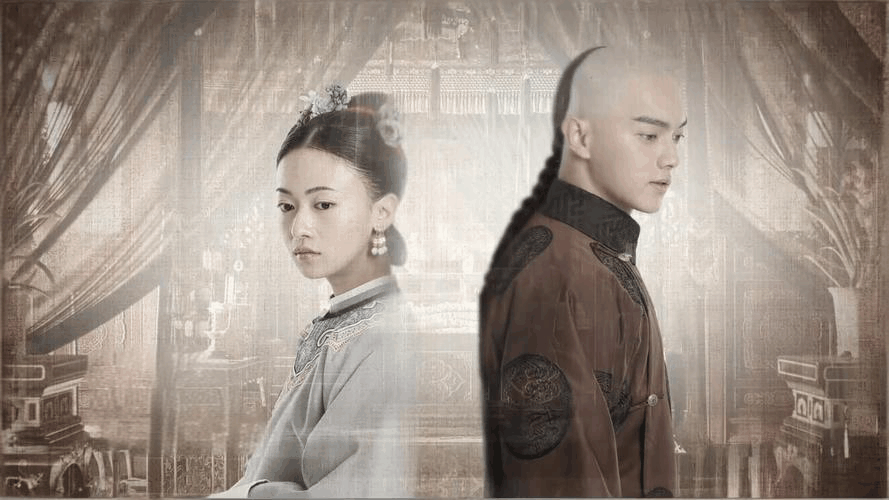
01 Visual Spectacle: Contemporary Presentation of Eastern Aesthetics
The visual appeal of Chinese costume dramas stems from their unique Eastern aesthetic system.
The Longest Day in Chang’an amazed audiences with its highly authentic restoration of the Tang dynasty’s grandeur. From architectural standards to street scenes, from clothing patterns to etiquette norms, every frame resembles a scene from a Tang dynasty painting.

The distinctive use of color is particularly remarkable. Story of Yanxi Palace broke away from the traditional high-saturation color palette, adopting instead a sophisticated Morandi color scheme that created an elegant and refined visual experience.
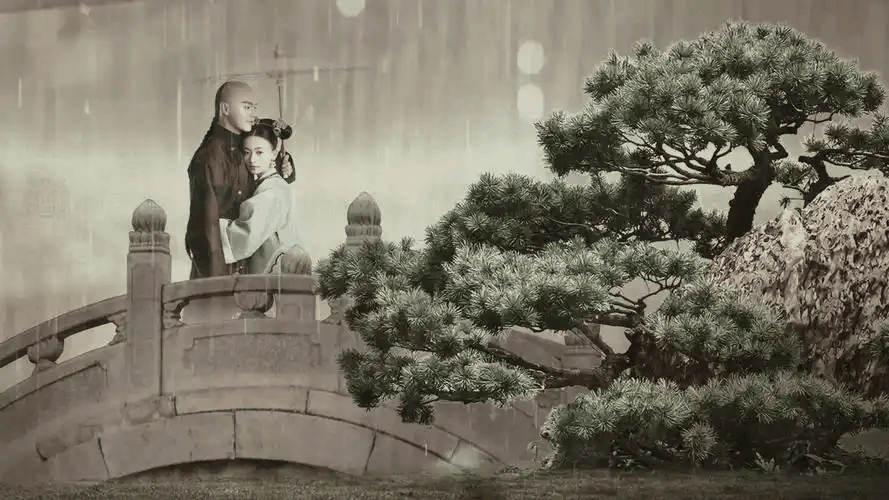
This stylistic choice took the world by storm, fueling an international wave of fascination with classical Chinese aesthetics and color theory.
02 Cultural Codes: Meticulous Historical Detailing
The charm of costume dramas lies equally in their precise control of historical details.
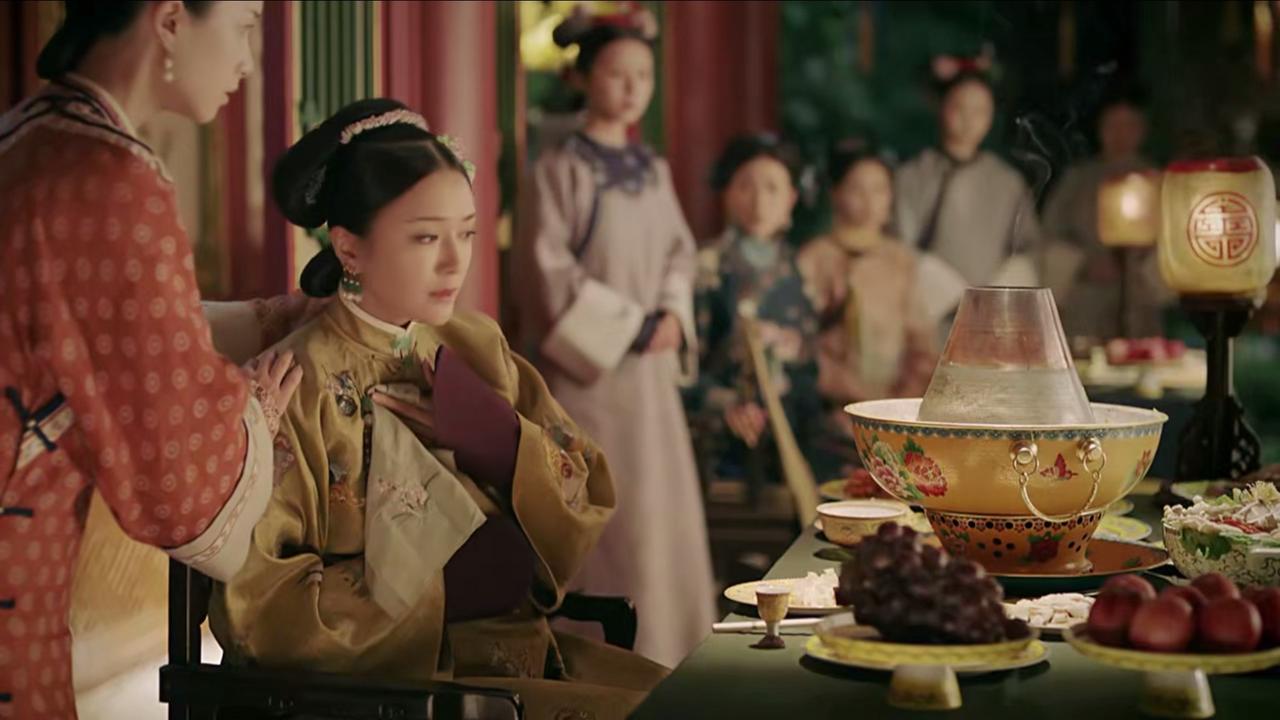
In Story of Yanxi Palace, the strict adherence to Qing court etiquette—from the manner of kneeling in greeting to the regulations of clothing—demonstrates the production team’s respect for historical accuracy.
The revival of traditional crafts also fascinates viewers. The tea preparation techniques in Nirvana in Fire
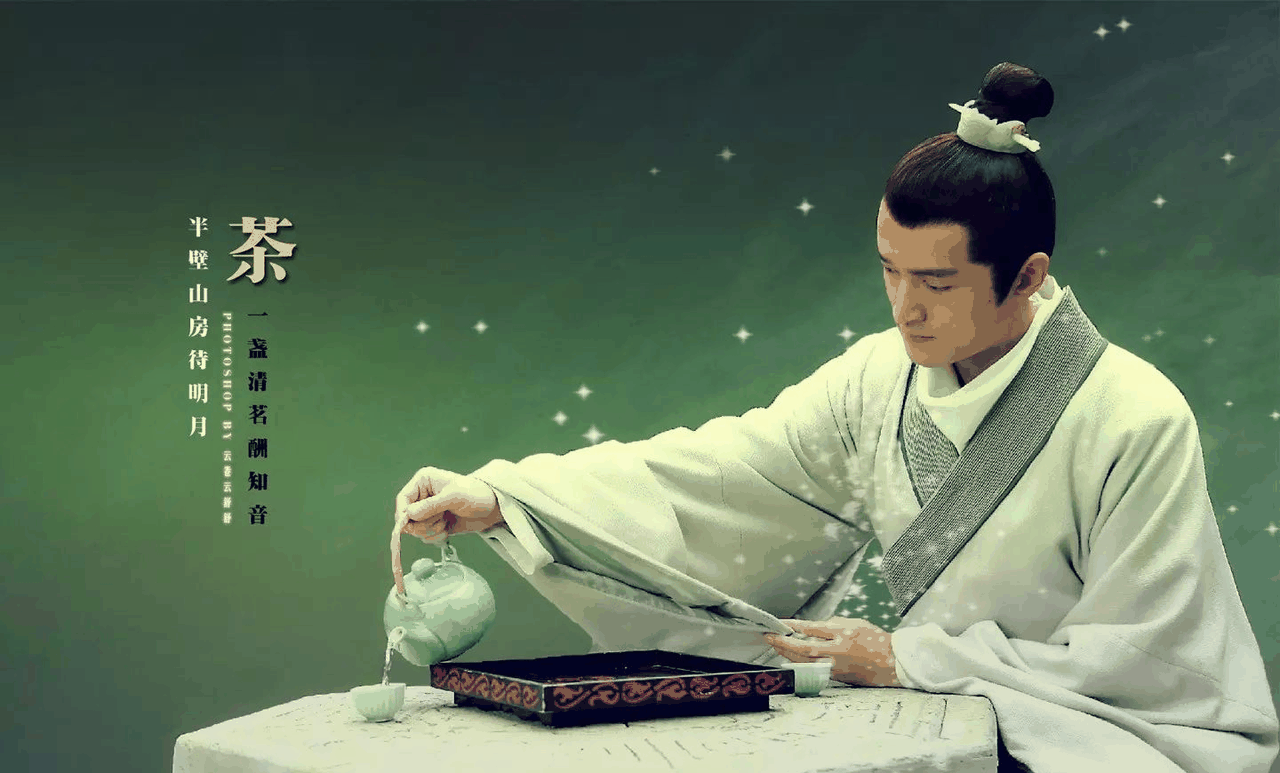
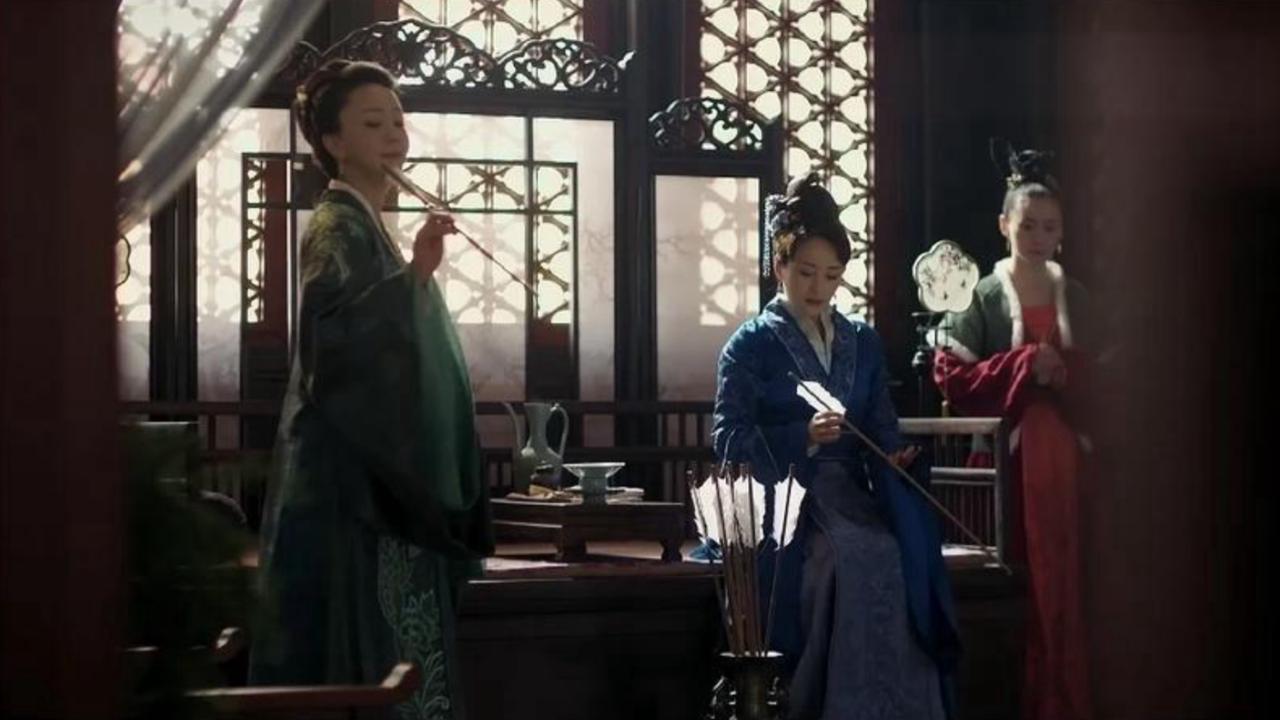
and the arrow vase game in The Story of Minglan brought almost-forgotten traditional skills back into public awareness through these series.
03 Emotional Resonance: Timeless Humanistic Concerns
Beyond visual and cultural appeal, what truly moves audiences are the emotional cores that resonate across boundaries.
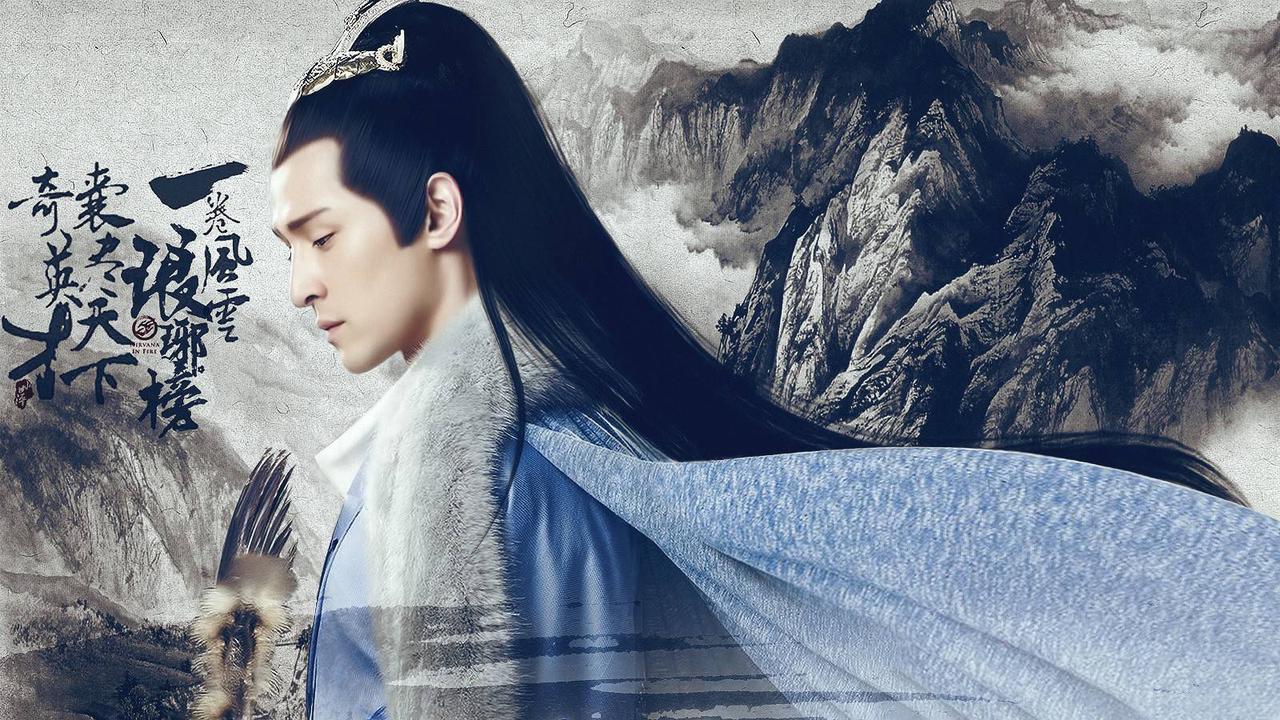
Mei Changsu’s journey to clear his name in Nirvana in Fire embodies the traditional Chinese ideals of patriotism and pursuit of justice. Fan Xian’s coming-of-age story in Joy of Life explores the collision and integration of modern values with ancient society.
These timeless themes—love, friendship, national justice—enable costume dramas to transcend cultural barriers and resonate with global audiences.
As The Longest Day in Chang’an gains popularity on overseas platforms, many international viewers have begun actively learning about Tang dynasty history. When Nirvana in Fire aired in Japan, audiences praised it as “the Chinese Count of Monte Cristo.”
These phenomena demonstrate that Chinese costume dramas have become significant windows for the world to understand Chinese culture, bridging historical traditions with contemporary storytelling to create a unique viewing experience that continues to fascinate global audiences.