
Key Tips: In 2025, China’s football competition system expanded rapidly, with city leagues like the “Jiangsu Super League” becoming a phenomenon, hosting over 140,000 amateur matches in that year alone.
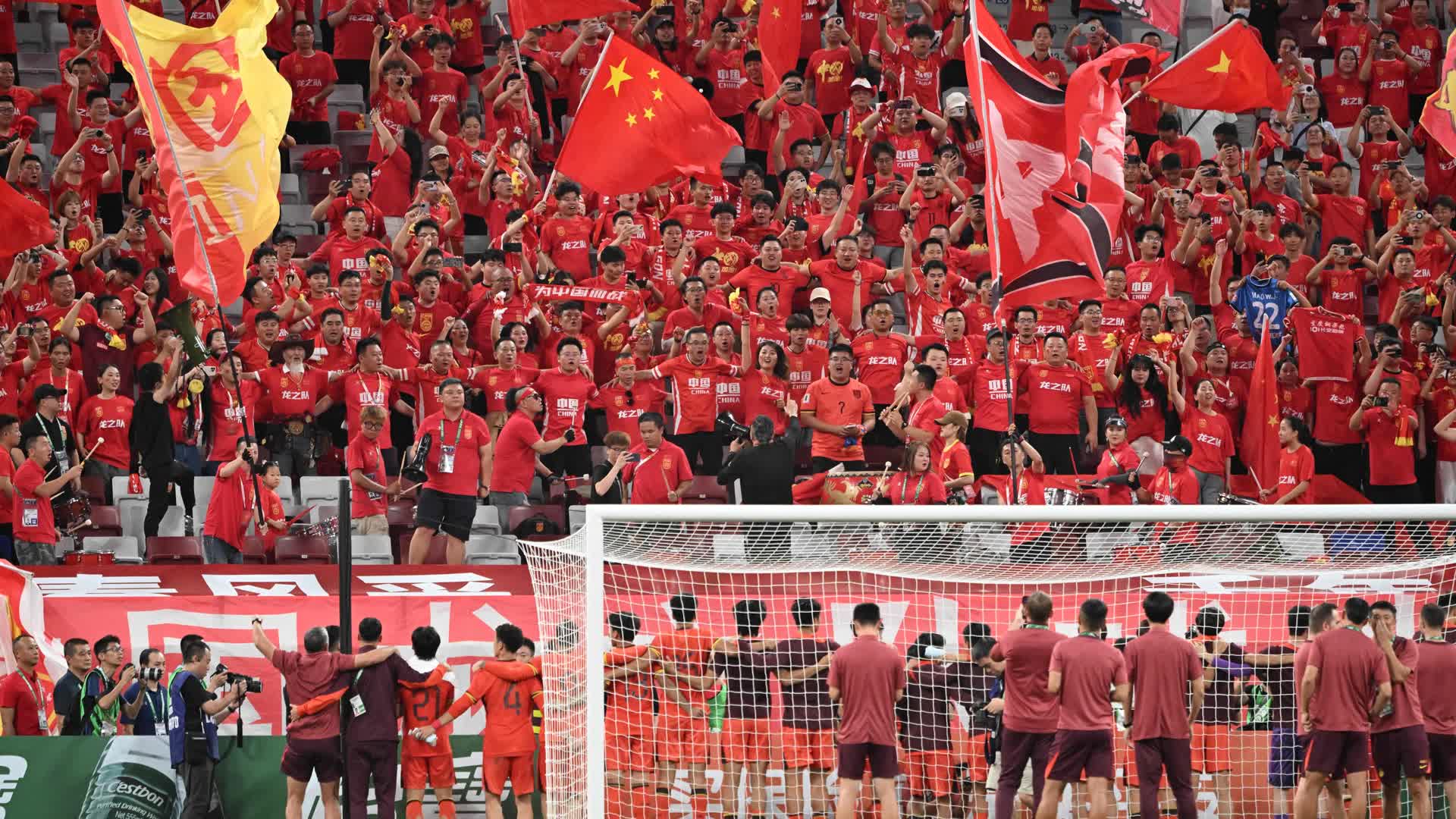
At a recent Chinese Football Association (CFA) meeting, Chairman Song Kai candidly stated, “The comprehensive and systemic backwardness of Chinese football has not yet been reversed, especially the lack of competitiveness of the national team and the failure to achieve breakthroughs in major tournaments.”
Industry Scale
The market size of China’s football industry is steadily growing. By 2026, it is projected to reach approximately 120 billion yuan, a 50% increase from 80 billion yuan in 2021.
With an estimated annual compound growth rate of 15%, the scale of China’s football industry is expected to approach 200 billion yuan by 2031.
The industry’s internal structure consists of three main segments: professional leagues, football training, and football equipment. Professional leagues hold the largest market share at around 40%; the football training market is growing at an annual compound rate of 20%, while the football equipment market maintains stable growth of about 10%.
By 2026, it is projected that over 10 million youth will participate in football training, with the training market reaching 20 billion yuan.
System Restructuring
The focus of China’s football industry is undergoing a structural shift. The industry’s goals are moving from pursuing short-term results to building a sustainable ecosystem.
In 2025, the development priorities for Chinese football were clearly defined in three directions: youth football, national team development, and the growth of social football.
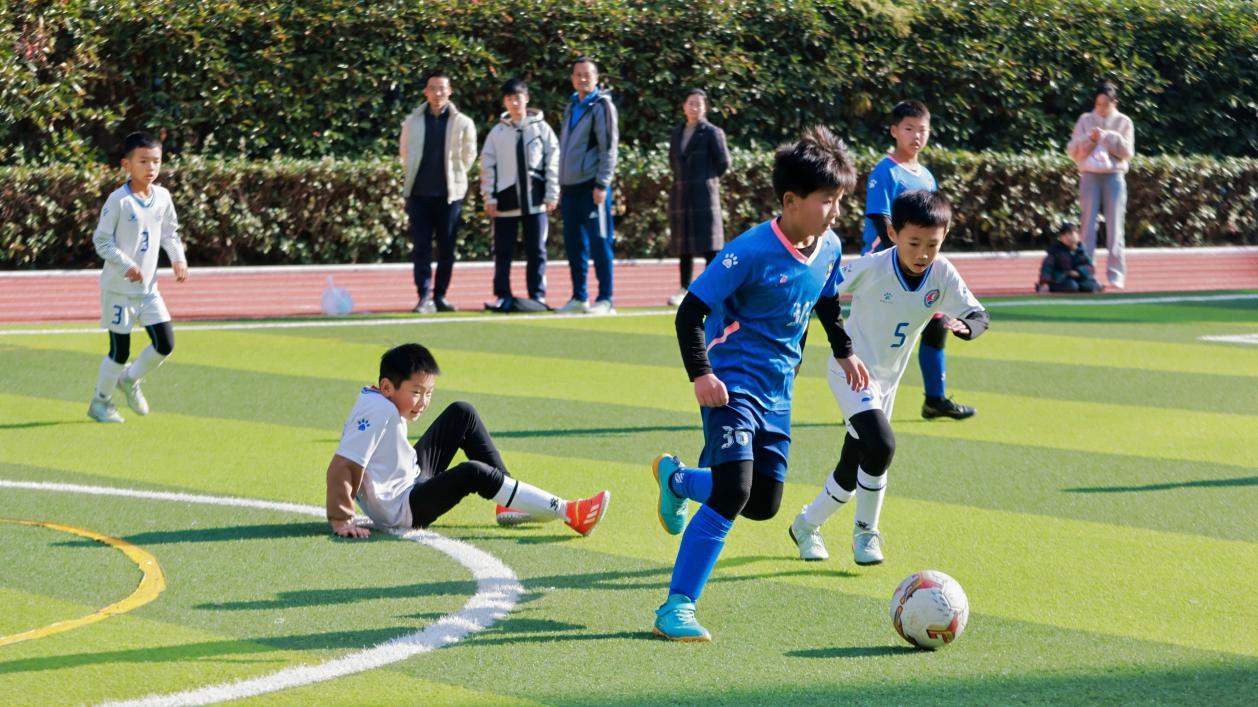
Regarding the youth training system, the National Youth Training Center has been officially established, collaborating with five regional youth training centers to form a government-led, society-involved training network.
In 2025, the number of registered youth football players in China reached 109,200, with 126,000 registered youth coaches, both showing significant increases compared to 2024.
Social Participation
Social football is becoming a new engine for the development of Chinese football. By 2025, China’s amateur football population had reached 980,000, with over 140,000 amateur matches held throughout the year.
Football associations at all levels are actively promoting the “Hundred Cities, Thousand Counties, Ten Thousand Villages” football system, bringing the sport to the grassroots level.
City leagues like the “Jiangsu Super League” are developing rapidly, becoming a highlight of football revitalization. The digital platform “Football China” serves nearly 800,000 users, providing technical support for amateur football development.
Long-Term Planning
The Chinese Football Association has outlined a clear development blueprint for the “15th Five-Year Plan” period. The goal by 2030 is to establish a new football development pattern with Chinese characteristics, contemporary relevance, and a strong mass foundation.
The plan emphasizes establishing a football governance system that aligns with the modern development of the sport and China’s national conditions, aiming for governance capabilities to meet societal expectations.
By 2030, provincial youth training centers will achieve full coverage. To this end, efforts will focus on improving the management system and operational mechanisms, strengthening the foundation of youth football, enhancing the quality and effectiveness of national team development, and promoting the popularization and system-building of social football.
As the first year of the “15th Five-Year Plan,” 2026 will primarily involve tasks such as consolidating and improving the youth training system, systematically advancing national team development and preparation, and stimulating the endogenous momentum of social football across seven key areas.
With the implementation of the “15th Five-Year Plan,” China now has over 126,000 registered youth football coaches, and more than 100,000 football fields nationwide provide infrastructure for grassroots football.
The growing number of amateur matches and the “Football China” platform’s nearly 800,000 users indicate that football is returning to its essence as a sport for the masses.
The registered youth football population in Shanghai grew from 3,779 in 2015 to nearly 10,000 in 2025, reflecting how football culture is taking root and growing once again in Chinese society.