
Think back twenty years ago. If you asked for a “matcha latte” at a typical Western café, you might have been met with a blank stare. Today, that vibrant green powder is ubiquitous. From ice cream to croissants, matcha has transcended its Japanese ceremonial roots to become a global lifestyle icon. It represents wellness, exoticism, and refined taste.
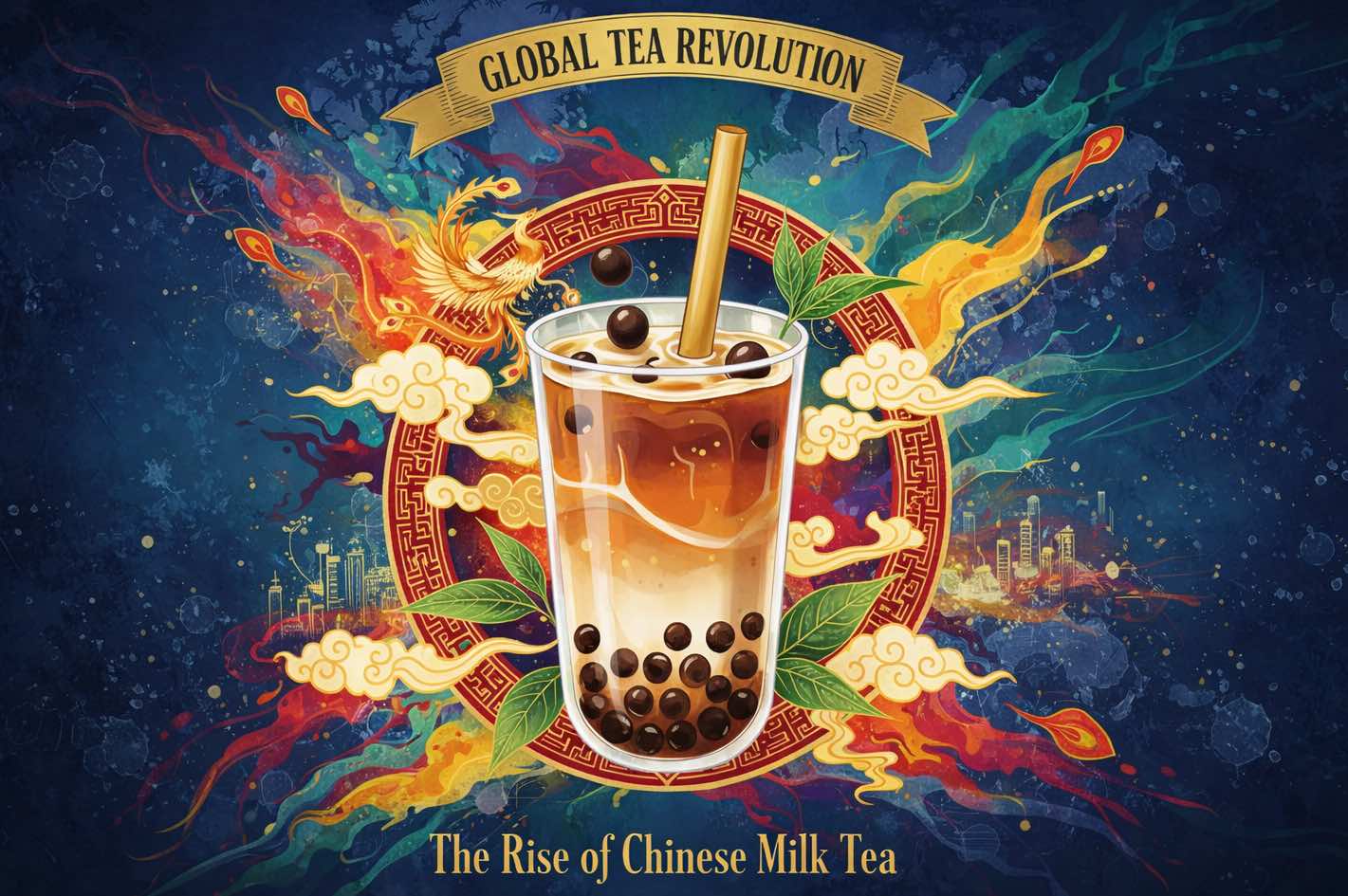
Now, a new contender is bubbling up from the East. Chinese milk tea—often generalized as “bubble tea” or “boba”—is no longer just a niche drink found in Chinatowns. It is expanding aggressively, innovating rapidly, and capturing the imagination of Gen Z worldwide.
This article explores whether Chinese milk tea is on the brink of its own “Matcha Moment.” We will look at the drink’s rich cultural history, the explosive growth of the modern industry, and why your next go-to beverage might just be a Cheese Foam Oolong rather than a Cappuccino.
The Matcha Blueprint: How a Culture Goes Global
To understand the potential of Chinese milk tea, we must look at the path forged by matcha. Matcha didn’t just succeed because it tastes good. It succeeded because it was packaged as an experience. It brought with it a story of Zen monks, tea ceremonies, and health benefits.
It became an aesthetic. The bright green color is instantly recognizable on social media. It became a versatile ingredient, moving beyond the teacup into baking and cosmetics.
Chinese milk tea is currently ticking these same boxes. It is visually striking, highly customizable, and deeply rooted in a tea culture that spans millennia. But unlike the solemnity of matcha, milk tea brings a vibrant, chaotic, and youthful energy that resonates with modern consumers.
Beyond the Bubbles: A Rich Cultural History
While the world often equates Chinese milk tea with the tapioca pearls (boba) invented in Taiwan in the 1980s, the roots go much deeper. The concept of mixing tea with dairy has historical precedents in various Chinese regions.
The Nomad Influence
Historically, nomadic tribes in China’s northern and western frontiers, such as Tibet and Inner Mongolia, have consumed salty milk tea for centuries. This was a survival staple, providing warmth and calories in harsh climates. It wasn’t a dessert; it was fuel.
The Hong Kong Style
In the colonial era, Hong Kong developed its own distinct “silk stocking” milk tea. Influenced by British afternoon tea but adapted for local tastes, it uses evaporated milk and a robust blend of Ceylon teas. It is strong, smooth, and deeply ingrained in the city’s cha chaan teng (tea restaurant) culture.
The Modern “New Style” Tea
What we see exploding today is often called “New Style Tea” (Xin Shi Cha). This wave originated in mainland China and emphasizes fresh ingredients. Gone are the days of powdered creamers and cheap tea dust. Brands now use premium loose-leaf tea bases—Da Hong Pao, Tieguanyin, Jasmine Green—blended with fresh fruits, real milk, and innovative toppings like cheese foam (a savory-sweet cream cheese mixture).
The Industrial Revolution of Tea
The Chinese milk tea industry is a juggernaut of innovation. It operates with the speed of a tech startup rather than a traditional food and beverage company.
Unprecedented Innovation
The competition in China is fierce. This pressure forces brands to innovate constantly. We see seasonal releases that rival fashion drops. One month the trend is white peach oolong; the next, it is wampee fruit (a niche southern Chinese citrus) or sticky rice blends.
This “product churn” keeps the consumer engaged. Unlike the static menu of a traditional coffee chain, a milk tea shop is a place of constant discovery. This appeals massively to younger demographics who crave novelty.
Supply Chain Mastery
To support this global expansion, major Chinese brands have built incredible supply chains. Companies like Heytea and Mixue Bingcheng manage their own tea plantations and fruit orchards. This vertical integration allows them to control quality and keep prices competitive, even as they expand into markets like Southeast Asia, Europe, and North America.
According to recent industry reports, the global bubble tea market was valued at over $2 billion in 2020 and is projected to reach nearly $3.5 billion by 2027. China is the engine driving this growth, exporting not just the product, but the operational model.
Why the “Matcha Moment” is Imminent
Several indicators suggest that Chinese milk tea is ready to cross the chasm from “ethnic food trend” to “global staple.”
1. The Social Currency
Just as matcha became an Instagram darling, milk tea is inherently photogenic. The layers of tea, milk, and fruit, combined with the visible textures of boba or fruit jelly, make it perfect for visual-first social platforms like TikTok and Instagram. It is a drink designed to be shared.
2. Customization as a Standard
Western consumers love personalization. The “Starbucks model” taught us to order a “venti, half-caf, soy, no foam.” Chinese milk tea takes this to the extreme. You choose your tea base, your sugar level (0%, 30%, 50%, etc.), your ice level, and your toppings. This agency over the final product creates a sense of ownership for the consumer.
3. The “Third Place” Evolution
Milk tea shops are evolving into social hubs. Premium brands are designing flagship stores that rival the sleekest Apple Stores or high-end coffee roasteries. They offer comfortable seating, minimalist design, and merchandise. They are positioning themselves not just as a place to grab a drink, but as a destination to hang out—the classic “third place” between work and home.
Conclusion: A Cup of Culture
The “Matcha Moment” happened when the world realized that green tea could be more than just a hot beverage—it could be a flavor, a color, and a lifestyle. Chinese milk tea is on the same trajectory. It is shedding its reputation as a cheap sugary treat and re-emerging as a premium, craft beverage rooted in authentic tea culture.
As supply chains mature and global branding becomes more sophisticated, we can expect Chinese milk tea to become as standard as the morning latte. Whether it’s the chewy texture of the pearls, the creamy savoriness of cheese foam, or the floral notes of a premium oolong, this cultural export is ready for the main stage.
So, the next time you pass a tea shop, step inside. You aren’t just buying a drink; you are tasting the next great global cultural shift, one sip at a time.