
Key Points
Immunotherapy Breakthroughs: CAR-T therapy has made progress in side effect reduction and solid tumor treatment. Gene Editing & Targeted Drugs: CRISPR technology optimizes immune cells, while more domestic targeted drugs are emerging. Nanotech Drug Delivery: Nano-drugs are precisely delivered to tumors, enhancing treatment effectiveness.
Cancer has long been one of the greatest health challenges facing humanity. Globally, scientists are working day and night to find the key to conquering this stubborn disease. In this long battle against cancer, the presence of Chinese scientists is becoming increasingly distinct, and their innovative achievements are adding significant strokes to the global anti-cancer landscape.
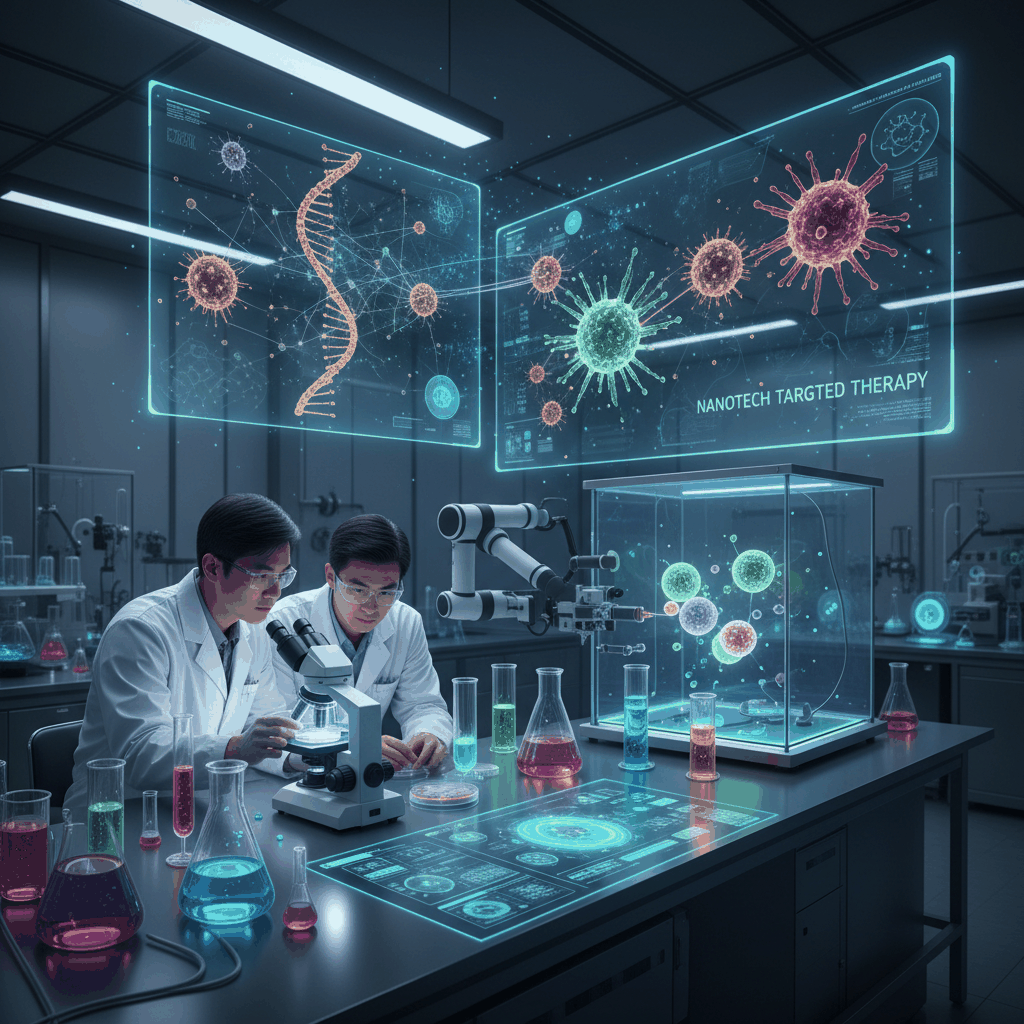
Chinese Strength Amidst Global Challenges
The difficulty in conquering cancer lies in its extreme complexity and variability. Cancer cells are cunning; they can often evade the immune system’s pursuit and even develop resistance to drugs. Although global medical technology is developing rapidly, effective treatments are still lacking for many late-stage cancers.
Faced with this global problem, Chinese scientists have not backed down. In recent years, relying on the country’s strong investment in basic scientific research and the rise of the local biopharmaceutical industry, Chinese research teams have made remarkable breakthroughs in multiple frontier fields. From followers to parallel runners, and even becoming leaders in certain niche areas, Chinese scientific research forces are changing the landscape of global cancer treatment.
Breakthrough Achievements: From Lab to Clinic
The contributions of Chinese scientists are not just on paper; many results have been or are being translated into practical therapies that can save lives.
1. Innovative Advancement in Immunotherapy
Immunotherapy is known as the “fourth revolution” after surgery, radiotherapy, and chemotherapy. In this field, Chinese teams have performed particularly well. For example, in CAR-T cell therapy, China is not only one of the countries conducting the most clinical trials globally but has also made key progress in reducing side effects and conquering solid tumors.
Some Chinese scientists have developed new CAR-T technologies that can more accurately identify cancer cells, reducing accidental damage to normal cells and greatly lowering the risk of severe side effects like “cytokine storms.” Other teams are exploring immunotherapy solutions for solid tumors such as liver cancer and gastric cancer, attempting to break the bottleneck that CAR-T therapy has long faced in conquering solid tumors.
2. Gene Editing and Precision Medicine
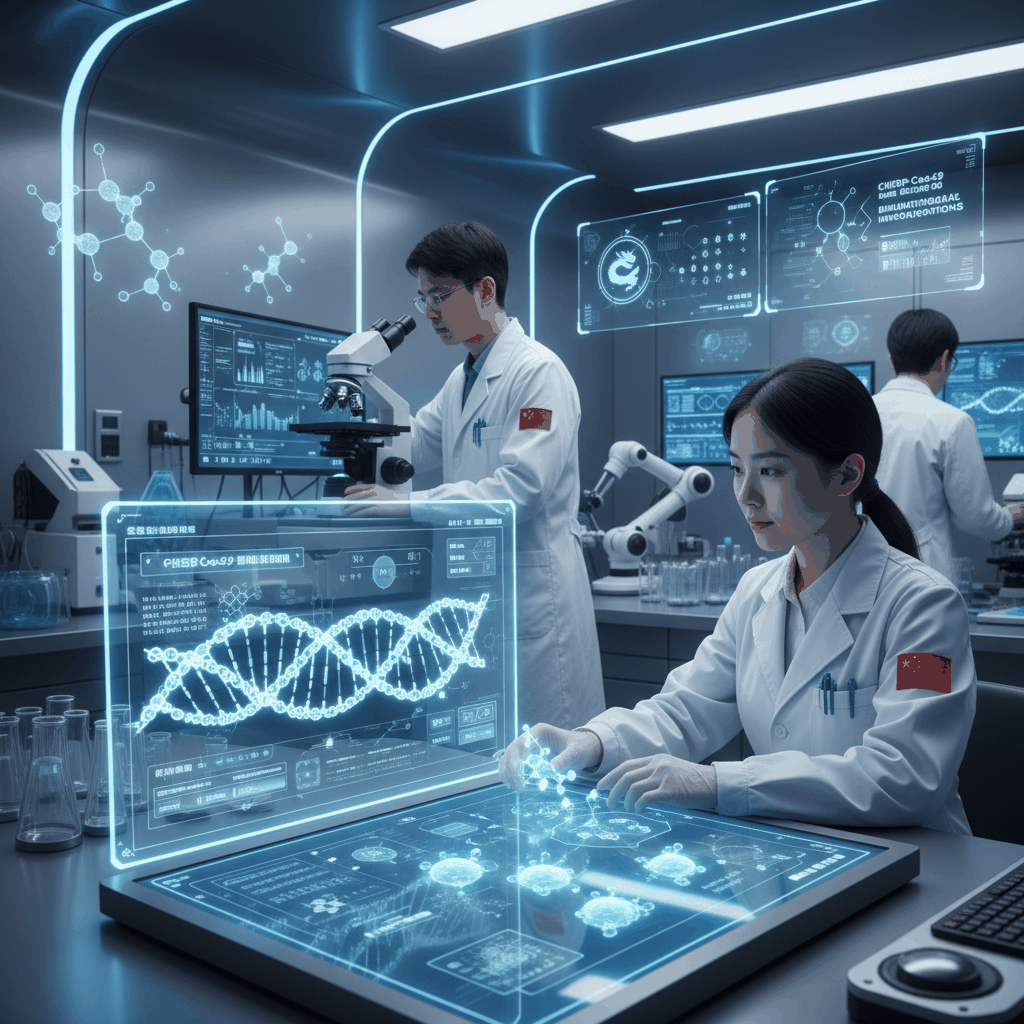
Using gene-editing technologies like CRISPR, Chinese scientists are exploring the possibility of repairing or eliminating cancer cells from the root. A highly watched study involves using gene-editing technology to modify immune cells so that they can not only kill tumors more efficiently but also survive in the body longer, providing lasting protection.
In addition, in the development of targeted drugs, China’s independently developed “tinib” class drugs are emerging endlessly. Focusing on high-incidence cancers like lung and breast cancer, Chinese scientists have discovered new carcinogenic mutation sites and rapidly developed corresponding inhibitors. These original new drugs not only have excellent efficacy but are often more affordable than imported drugs, greatly reducing the burden on patients.
3. Nanotechnology “Trojan Horse”
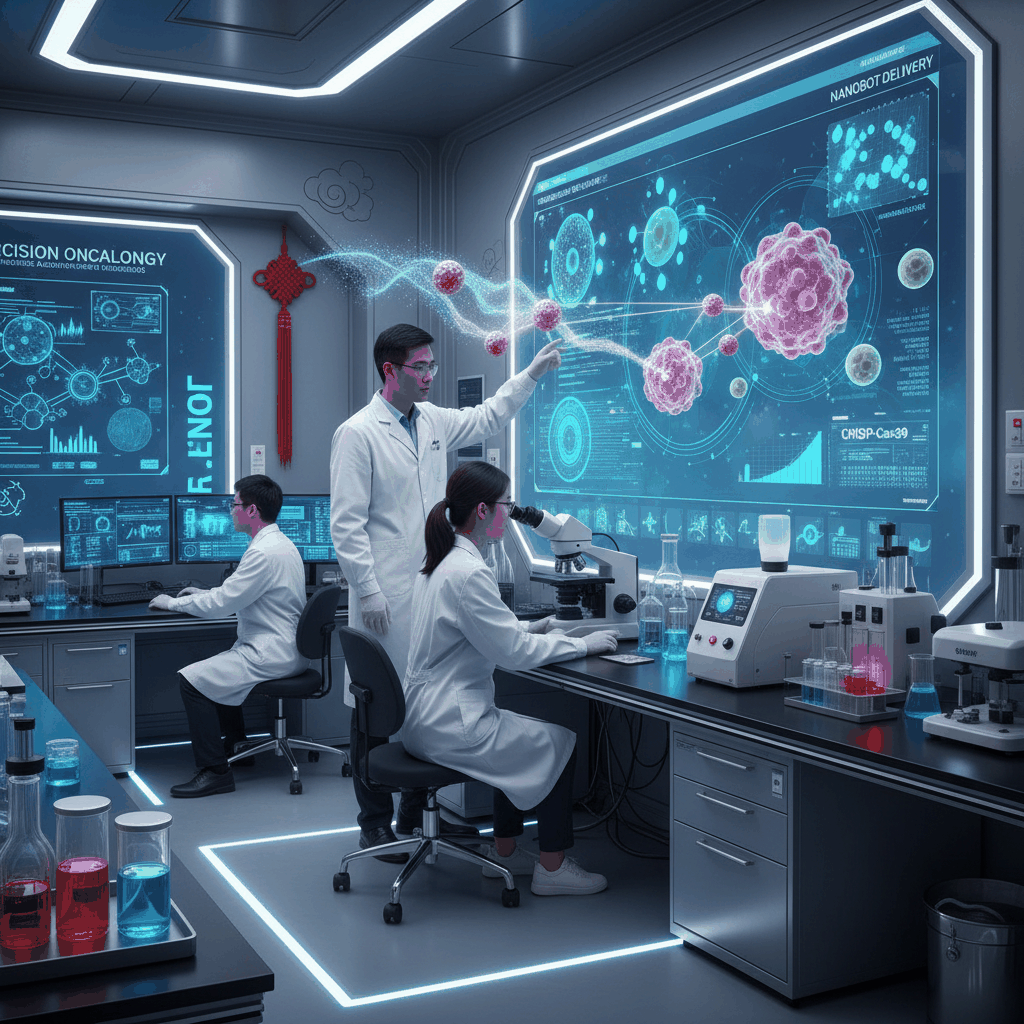
How can drugs be delivered precisely inside a tumor without harming the innocent? Chinese scientists have cleverly used nanotechnology to design a “Trojan Horse.” The nano-drug carriers they constructed can, like precision-guided missiles, travel through the human body’s complex vascular network and reach the core of the tumor to release drugs. Some nanorobots can even respond to changes in the pH of the tumor microenvironment, intelligently controlling the timing of drug release.
Profound Impact on Patients and the Future
These breakthrough research results signify not just high-level academic papers, but rekindled hope for countless families.
For patients, this means more treatment options, longer survival periods, and a higher quality of life. The market launch of domestic innovative drugs has broken the monopoly of expensive imported drugs, allowing more ordinary families to afford good medicine. For the medical industry, the surge in Chinese scientific research results has accelerated global anti-cancer drug development and promoted deep international cooperation and exchange.
Looking ahead, we have reason to remain optimistic. With the deep integration of artificial intelligence, big data, and biotechnology, Chinese scientists are standing at a new starting point. Although there is still a long way to go to completely defeat cancer, every small step forward brings us closer to the finish line. Chinese wisdom and solutions will undoubtedly contribute indelible strength to humanity’s ultimate conquest of cancer.