
Key Points
- Historical Background: From the ritual music system of the Zhou Dynasty to classical music of the Tang and Song periods, Chinese-language music is deeply influenced by traditional culture.
- Rise of Pop Music: From the 20th-century “Shidai Qu” style to Teresa Teng’s classic love songs, the foundation of Chinese-language pop music was established.
- Modern Innovation: Artists such as Jay Chou, David Tao, and Wang Leehom fuse hip-hop, R&B, and electronic styles with traditional Chinese elements to create a new “Chinese style.”
- Future Outlook: Chinese-language music continues to develop through the balance of heritage and innovation, demonstrating strong vitality and cultural influence.
Chinese-language music flows like a long and winding river, originating from both ancient royal courts and folk traditions thousands of years ago, and merging into the vibrant pulse of modern urban life. It is not merely a collection of melodies but a carrier of culture, history, and emotion. Let us embark on this musical journey together to explore how Chinese-language music draws nourishment from its profound traditional roots and blossoms anew within contemporary trends.
Melodious Ancient Elegance in the River of History
The history of Chinese music can be traced back thousands of years. From the ritual music system of the Zhou Dynasty, to the Tang Dynasty’s “Nishang Yuyi Qu” (Rainbow Skirt and Feathered Coat), and then to the ci poetry tunes of the Song Dynasty, ancient music was consistently closely intertwined with royal courts, sacrificial ceremonies, and the refined lives of literati and scholars.
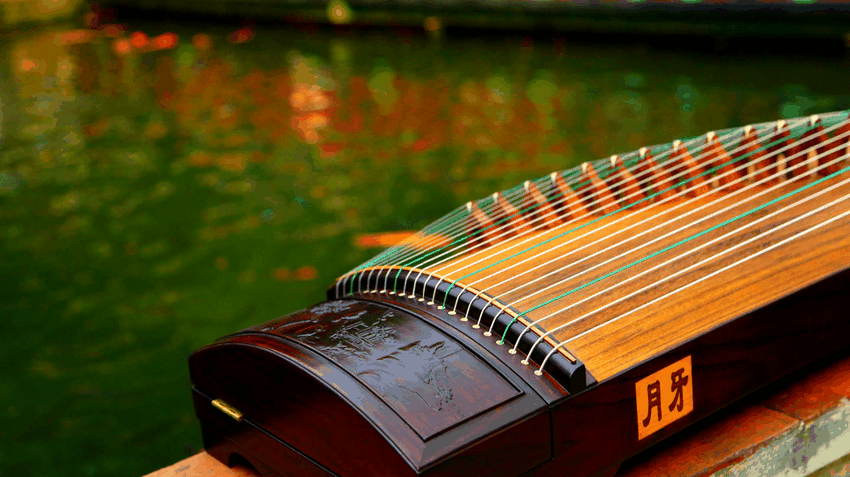
Traditional instruments such as the ethereal guqin, the crisp pipa, and the lyrical erhu not only shaped a unique Eastern tonal palette but also embodied the philosophical ideals of unity between heaven and humanity and harmonious balance.
These classical musical forms are not mere historical relics; their melodies and artistic concepts continue to serve as an inexhaustible source of inspiration for contemporary Chinese-language music composition.
The Rise of Timeless Hits and Pop Music
With the arrival of the 20th century, the introduction of Western music injected new vitality into Chinese-language music. Beginning with the “Shidai Qu” (Shanghai Era Pop) style in Shanghai, pop music gradually became mainstream. Songs like Zhou Xuan’s “Night Shanghai” and Li Xianglan’s “The Fragrance of the Night” blended traditional Chinese folk tunes with elements of Western jazz, ushering in the first golden era of Chinese pop music.
Following them, Teresa Teng won hearts across the Chinese-speaking world with her sweet voice and tender love songs. Classics like “The Moon Represents My Heart” and “Tian Mi Mi” have become eternal favorites. Then came artists like Lo Ta-yu and Cui Jian, who used their music to express social reflections and calls for change, marking a deeper intellectual expansion within the Chinese music scene.

Modern Trends: A Symphony of Tradition and Innovation
Entering the new millennium, the evolution of Chinese-language music has become increasingly diverse and rapid. Global music styles such as hip-hop, R&B, and electronic music have been widely embraced by Chinese artists, who skillfully fuse these with traditional Chinese elements to create a distinctive style often referred to as “Chinese style” or “Guochao” (national trend).
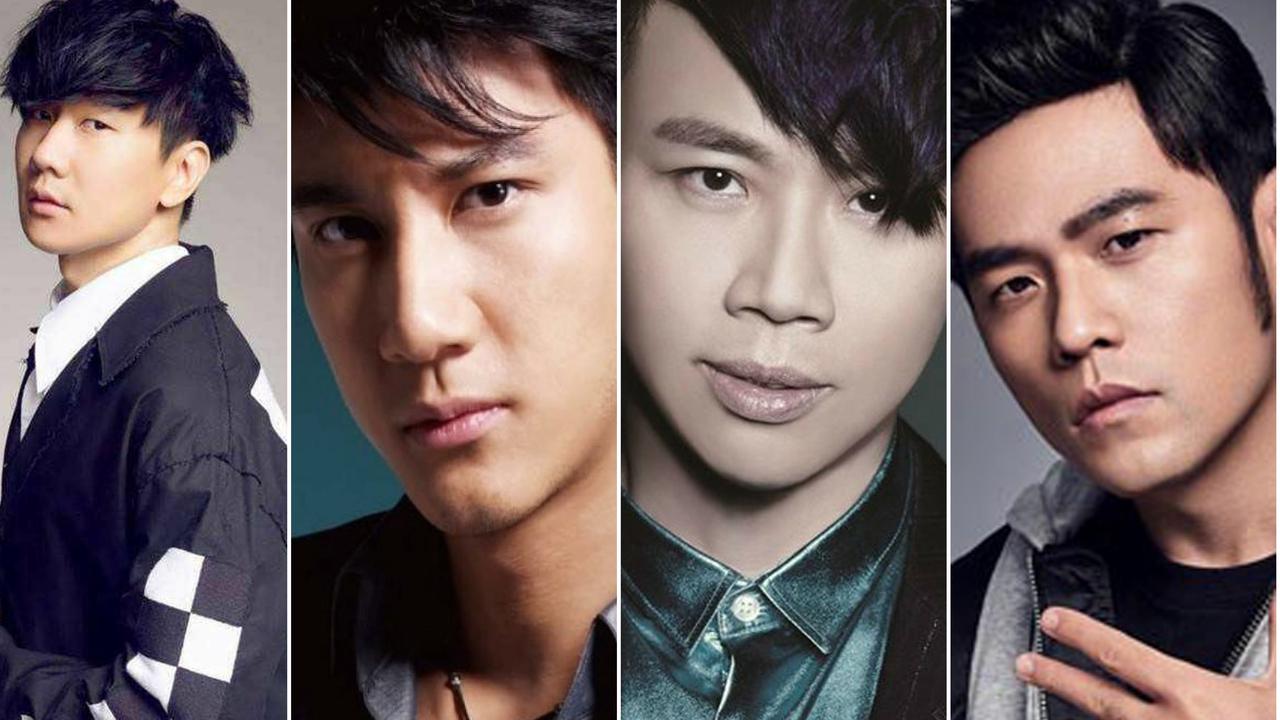
Jay Chou is undoubtedly a leading figure in this musical revolution. His albums Fantasy and Ye Hui Mei feature songs such as “Nunchucks” and “Dong Feng Po” that perfectly blend R&B rhythms and rap with classical Chinese melodies and traditional instruments like the guzheng and pipa. His lyrics are rich with poetic imagery and historical allusions, infusing pop music with profound cultural connotations. This not only inaugurated a brand-new musical form but also sparked a strong interest in traditional culture among the younger generation.
David Tao, known as the “Godfather of R&B” in the Chinese music world, laid the technical foundation for this transformation. His debut album David Tao includes tracks like “10:30 at the Airport” and “Love, It’s Simple”, whose smooth vocal runs and delicate rhythms revolutionized the listening experience of Chinese pop music.
Wang Leehom, with his self-coined “Chinked-out” music concept, took the East-West fusion to new heights. In albums such as Heroes of Earth and Heart, Wind, and Fire, he cleverly integrates Peking opera singing techniques and ethnic musical elements with hip-hop beats, showcasing a majestic synthesis of Chinese and Western styles and carving out another path for “Chinese style” music.
Beyond these pioneers, many other talented musicians are exploring similar avenues:
- JJ Lin’s “Song for No One” is a modern pop ballad, yet its delicate melody and emotional storytelling reflect the Chinese musical tradition’s emphasis on artistic conception and narrative.
- New-generation artists like G.E.M. Tang and Hua Chenyu continuously experiment in their work, combining rock, electronic, and even operatic elements with Chinese lyrical expression, pushing Chinese-language music onto broader and more diverse stages.
Conclusion
From the ancient sounds of bronze bells and zithers to today’s electronic synthesizers, the evolution of Chinese-language music has never ceased. While inheriting the essence of tradition, it bravely embraces global changes. Today’s Chinese music scene blossoms with diversity—paying homage to the classics while boldly exploring the future.
It is this ceaseless spirit of innovation that endows Chinese music with enduring vitality, allowing it to continue telling its unique stories on the world stage.