
China’s equestrian industry has experienced remarkable transformation over the past decade. What was once a niche sport reserved for elite circles has grown into a thriving industry with over 3,000 clubs, more than 1 million participants, and a market size reaching RMB 21 billion in 2023.
A Historic Breakthrough
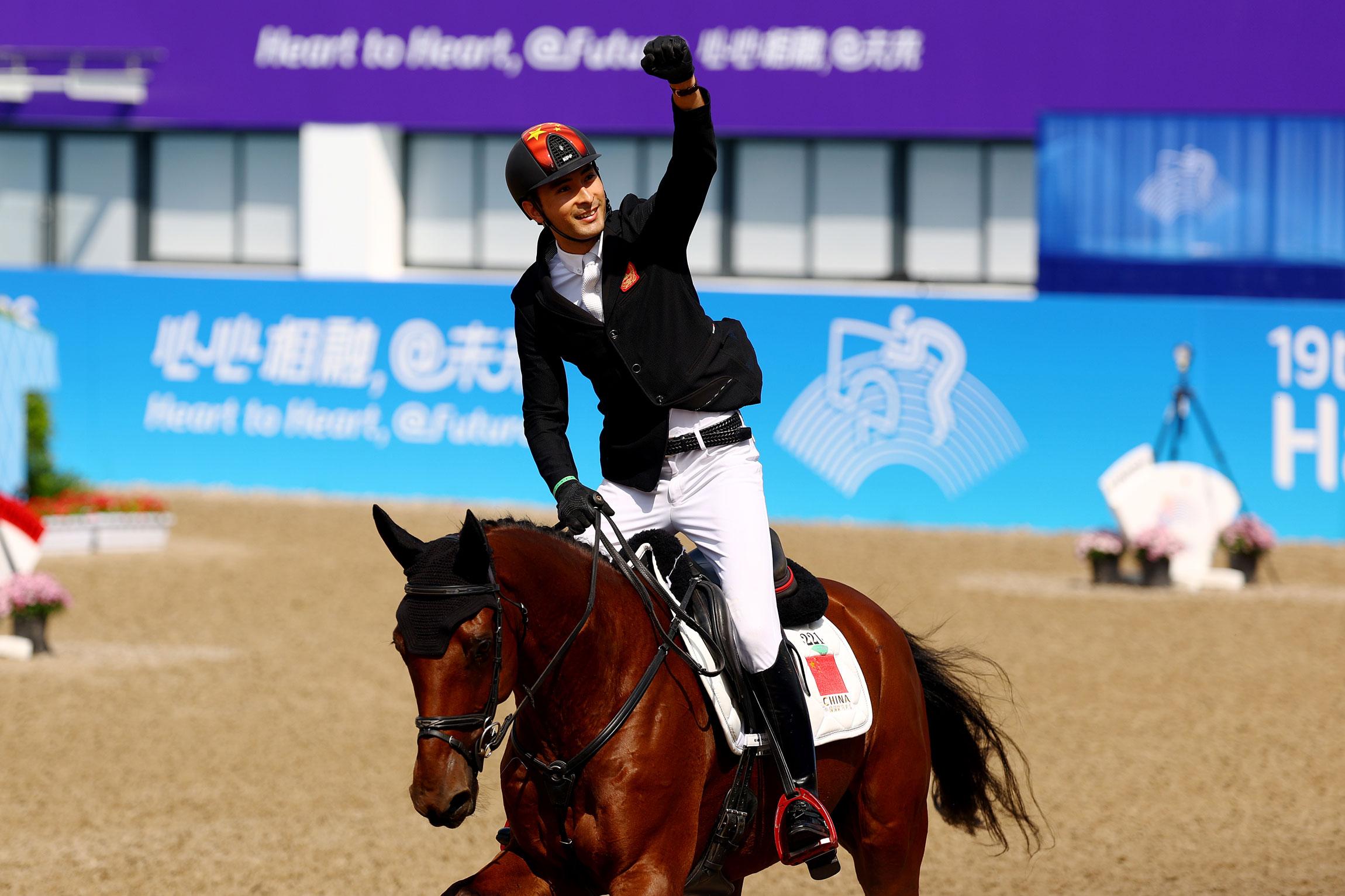
The defining moment came on October 2, 2023, when Hua Tian and his teammates achieved what many thought impossible. At the Hangzhou Asian Games, they won both team and individual gold medals in three-day eventing, marking China’s first-ever equestrian gold since the sport became an official Asian Games event in 1982.
Hua Tian, born in 1989, has been the face of Chinese equestrian sports for over 15 years. He made history in 2008 as China’s first Olympic equestrian athlete at just 18 years old during the Beijing Olympics. His journey from that debut to winning double gold at the Asian Games represents the broader evolution of Chinese equestrian sports—from complete novice to competitive force.
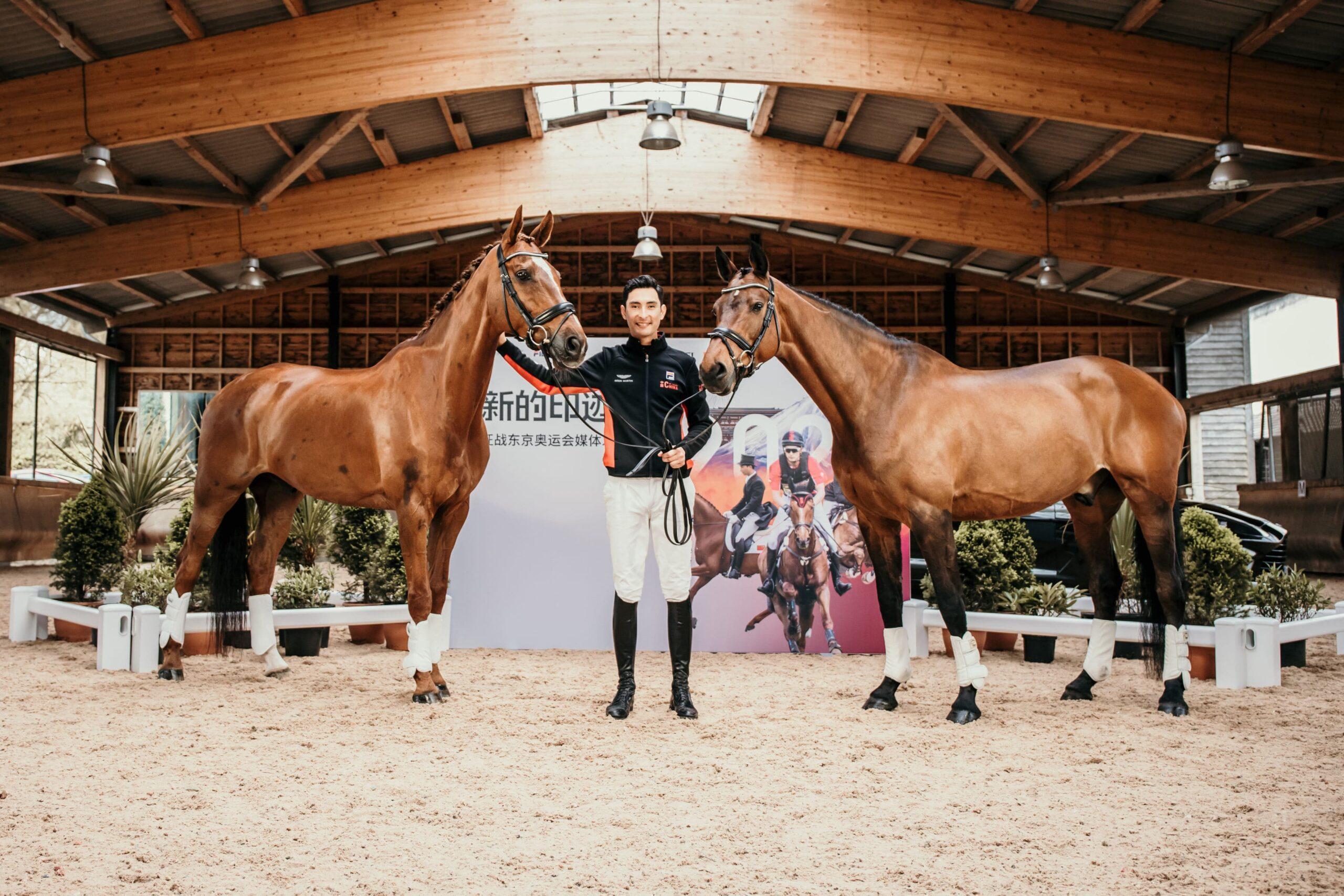
His best Olympic result came in 2016 when he finished 8th at the Rio Olympics. Beyond competition, Hua Tian has dedicated himself to promoting youth equestrian education through initiatives like the “Rider Spirit Action” program, helping to build the next generation of Chinese riders.
Explosive Market Growth
The numbers tell a compelling story. In 2016, China had just 907 equestrian clubs. By 2024, that number has grown to over 3,000—more than tripling in less than a decade. This explosive growth reflects rising disposable incomes, increased interest in premium leisure activities, and growing awareness of equestrian sports.
The market has responded accordingly. China’s equestrian industry reached RMB 20.99 billion in 2023 and is projected to exceed RMB 26 billion by 2025. With 677,000 registered club members and over 1 million total participants, the sport has moved from elite circles to broader public engagement.
Geographically, equestrian clubs concentrate in China’s most developed regions. East China accounts for 35% of clubs, North China 30%, and Southwest China 17%. The remaining clubs are scattered across South China and Northeast regions. Major cities like Beijing, Shanghai, Guangzhou, and Shenzhen together represent about 16% of all clubs, serving as key hubs for the industry.
A Maturing Competition System
China now hosts over 100 national-level equestrian competitions annually, supplemented by thousands of regional events. The Beijing Masters, held 11 times, has attracted 360,000 on-site spectators and offers prize money exceeding RMB 20 million. The China Equestrian Championship has been upgraded to an FEI 3-star event, signaling international recognition of China’s competitive standards.
Perhaps most importantly, the U-Series Youth Championships provide a multi-level platform for young riders to develop their skills and compete. This focus on youth development is paying dividends, with the average age of top competitors decreasing and skill levels improving rapidly.
The 2024 Beijing Masters demonstrated the sport’s growing cultural impact, receiving coverage from CCTV-5 and six major channels, streaming on 15 platforms, and generating 5,800+ media reports that reached 108 countries globally.
Challenges Ahead
Despite impressive growth, China’s equestrian industry faces significant challenges. The availability of high-quality horses remains limited, and the country lacks standardized breeding and training systems. Many clubs struggle with high operational costs and profitability challenges.
There’s also a shortage of qualified instructors with international certification. As the industry grows, the need for professional training programs and systematic certification becomes more urgent. Additionally, implementing proper horse welfare standards aligned with international protocols remains an ongoing priority.
Cultural promotion represents another hurdle. While equestrian sports have gained popularity on social media—with over 230,000 posts about equestrian on Xiaohongshu (Little Red Book)—the sport still needs broader awareness to expand its consumer base beyond major cities.
Looking Forward
The future of Chinese equestrian sports appears promising. Technology integration is transforming the industry, with clubs adopting online booking systems, smart horse care monitoring, and even virtual reality training tools. Services are diversifying beyond basic riding instruction to include equestrian tourism, event organization, and personalized training packages.
Cross-sector integration is opening new opportunities. Equestrian is combining with tourism to create themed destinations, with education through school programs and camps, and with real estate through integrated communities. This diversification strengthens the industry’s economic foundation while making the sport more accessible.
Government support continues through policies like the National Fitness Plan and Outdoor Sports Industry Development Plan (2022-2025), which explicitly promote equestrian development. Regional initiatives, such as the Chengdu-Chongqing region’s 40+ clubs hosting 30+ international events annually, demonstrate how local governments are embracing the sport.
Closing the Gap
While China still lags behind traditional equestrian powers like Germany, the UK, and the United States, the gap is narrowing. Hua Tian now ranks among top international three-day eventing riders, Chinese horses are competing in international events, and China regularly hosts FEI-sanctioned competitions with growing presence of international coaches and trainers.
The transformation from Hua Tian’s pioneering Olympic appearance in 2008 to the triumphant 2023 Asian Games gold medals illustrates how far Chinese equestrian has come. With solid infrastructure, strong government backing, and a rapidly expanding participant base, China is positioning itself as an emerging force in global equestrian sports—one that respects international standards while developing its own distinct characteristics.
For more information, visit the China Equestrian Association website or attend major events like the Beijing Masters.