
Keywords: inheritance of traditions; bidding farewell to the old; family ethics; sacrificing to the Kitchen God
When the twelfth lunar month arrives, the rhyme “On the twenty‑third, offer sweet malt to the Kitchen God” echoes through every household—the Chinese have once again stepped onto the threshold of the New Year. Spring Festival is never just one day; it is a grand ritual spanning from the Laba Festival to the Lantern Festival. Within this yearly cycle, the phrase “bid farewell to the old and welcome the new” encapsulates an agrarian nation’s reverence for time and its fervent hope for life.
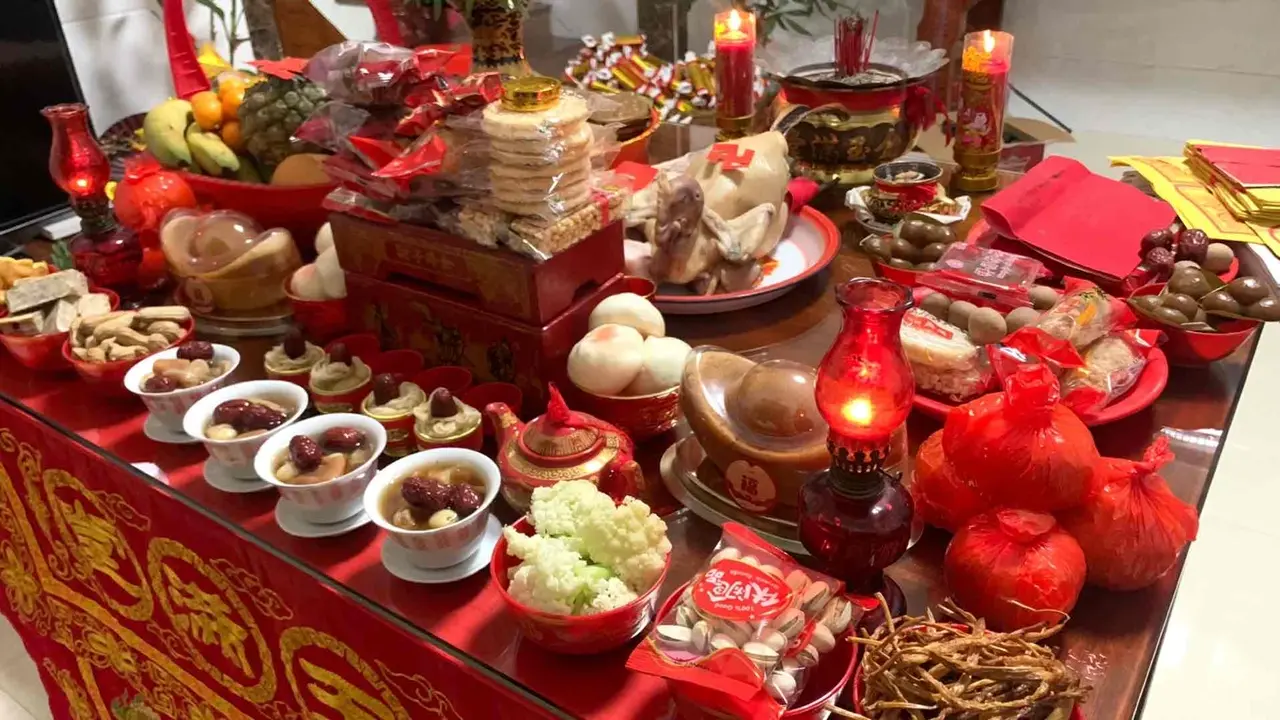
Preparing for the New Year is both a farewell and a welcome. The thorough house‑cleaning before the holiday is far from ordinary housework; it evolved from ancient exorcism rites, sweeping away the dust on the beams as well as the weariness in one’s heart. Stocking up on New Year goods, sewing new clothes, steaming leavened buns—every chore points to the same concept: solemnity. Even though supermarkets stay open on the very first day of the lunar year, people still insist on stuffing their refrigerators themselves. It is not merely food—it is “abundance” made tangible.

New Year’s Eve defines the meaning of “home”. The dishes for the reunion dinner are carefully chosen—even numbers are favored, a whole fish lies on the platter with knife marks but remains largely untouched, reserved for the morrow to preserve the wish of “surplus year after year”. Ancestor worship is the silent prelude to this feast: before anyone lifts a chopstick, the first serving is offered to those who came before. Scholars point out that the reunion dinner is, in essence, a family gathering with one’s ancestors. This solemnity of “serving the departed as if they were living” bridges time and blood, reminding each individual that they never walk this world alone. The subsequent giving of yāsuì qián (money to suppress evil spirits) and the all‑night vigil are the elders’ way of using light as a shield, protecting the young as they cross the invisible threshold between the old year and the new.
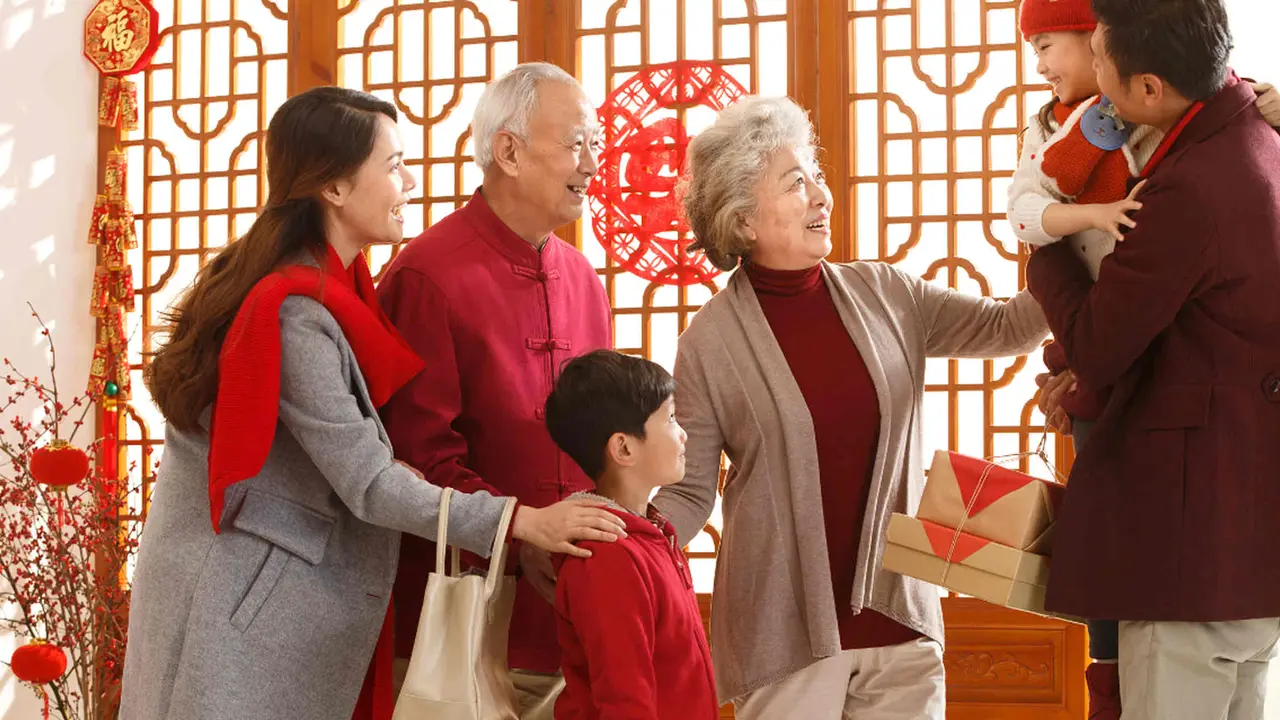
The first month’s social calls weave the fabric of kinship. On the first day, one visits paternal relatives; the second day welcomes the married daughter home; the third day avoids greetings; the fourth day welcomes the Kitchen God back; the fifth day, known as “Po Wu”, bids farewell to poverty and welcomes the God of Wealth. This tightly scheduled calendar reconnects family ties that have loosened over the year. Paying a New Year visit need not involve lavish gifts; sometimes, just stepping through the door, uttering the proper address, and sitting down for a cup of hot tea is enough. For those who have long lived alone in distant cities, these few words in their hometown dialect are the best antidote to nostalgia.
Change is constant, yet the core stands firm. WeChat red envelopes have replaced paper packets, yet they still carry the blessing of “warding off evil spirits”; restaurant bookings have relieved families of endless kitchen toil, yet the whole clan must sit around a round table. The Kitchen God’s portrait is seldom seen nowadays, but the wish “to report good deeds to heaven” has not vanished—it has simply transformed into year‑end summaries posted on social media and group photos of reunion dinners in nine‑grid layouts. Folklorists note that the vitality of Spring Festival lies precisely in “renewal within cycles”. Over three millennia, it has moved from altars to streets, from an agrarian timekeeper to a globally celebrated festival. The vessels have changed, but the faith in “harmony and togetherness” remains unshaken.
A foreign journalist once wondered: in an era when China boasts the world’s largest high‑speed rail network, why do hundreds of millions still travel like migratory birds, braving the busiest transport crush on earth? The answer lies in that lamp burning until dawn on New Year’s Eve: the flavor of the New Year never withers—it simply takes on new forms, resting softly on the shoulders of every homecoming traveler.