
Key Points
- Global motorsport event: The Chinese Grand Prix is a key race in the Formula One (F1) World Championship, held at the Shanghai International Circuit since 2004.
- Iconic racetrack design: The circuit’s layout resembles the Chinese character “上,” symbolizing Shanghai and making it one of the most recognizable tracks in F1.
- New era of F1 technology: The 2026 season introduces new technical regulations, including redesigned hybrid power units and sustainable fuel technologies.
- Expanded grid: The championship is expected to feature 11 teams and 22 drivers, reflecting the continued growth of F1.
- Growing fan base in China: The race attracts hundreds of thousands of spectators and plays an important role in promoting motorsport culture in China.
- Regional economic impact: The event boosts tourism, hospitality, and international visibility for Shanghai and the Yangtze River Delta region.
Event Overview
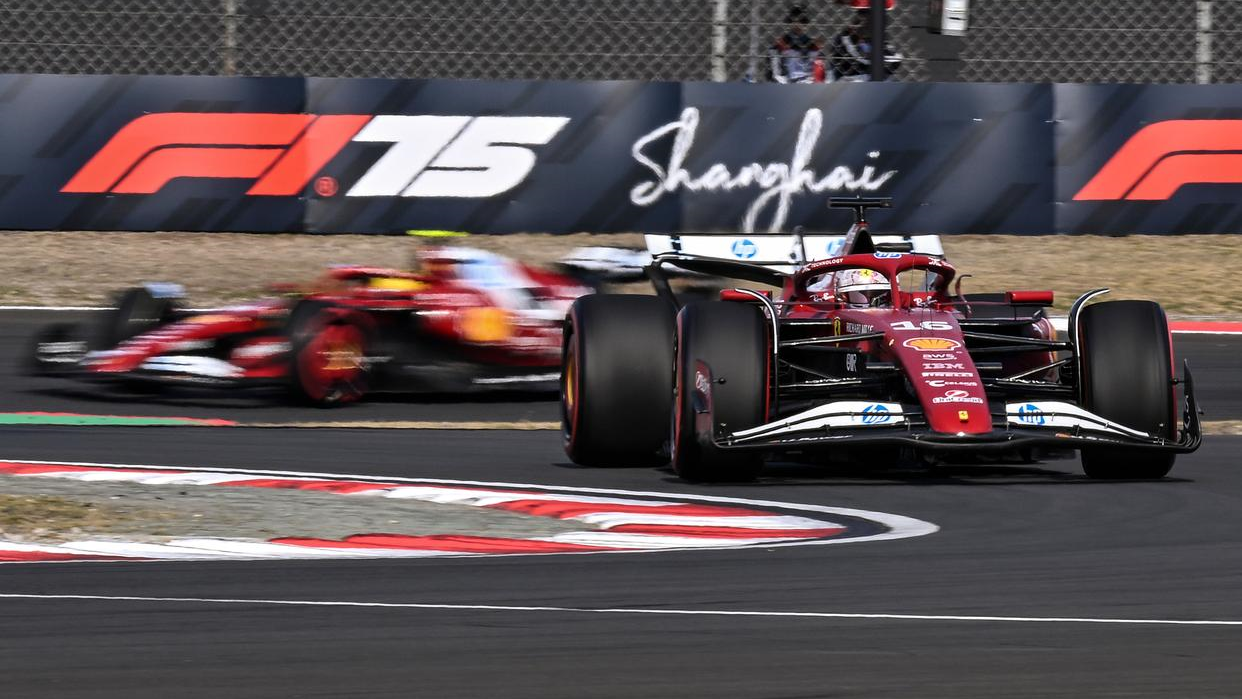
The Chinese Grand Prix is one of the major rounds of the global Formula One (F1) calendar. Since its debut in 2004, the race has been held at the Shanghai International Circuit, located in Shanghai’s Jiading District.
As part of the F1 World Championship, the event brings together the world’s top racing teams, engineers, and drivers to compete at one of the most technologically advanced motorsport venues in Asia.
A standard race weekend spans three days and includes practice sessions, qualifying, and the main Grand Prix race.
The Shanghai International Circuit
The Shanghai International Circuit is renowned for its layout inspired by the Chinese character “上,” meaning “above” or “up,” reflecting Shanghai’s identity.
Designed by circuit architect Hermann Tilke, the track features:
- Total length: 5.451 kilometers
- 16 challenging turns
- One of F1’s longest straights, over 1 kilometer
The circuit meets the highest Fédération Internationale de l’Automobile (FIA) safety and design standards and can host large international motorsport events.
Race Weekend Format
A typical F1 Chinese Grand Prix weekend includes:
- Friday: Free practice sessions for car setup and strategy
- Saturday: Final practice and qualifying to determine starting positions; in some years, a sprint race may occur
- Sunday: Main Grand Prix, 56 laps, awarding championship points
The 2026 Season and New Regulations
The 2026 season brings a major technical transition for F1:
- Hybrid power units with higher electrical output
- Use of 100% sustainable fuel
- Revised aerodynamics for closer racing and improved overtaking
The Chinese Grand Prix is one of the first races under these updated regulations, showcasing team adaptations to the new era.
Growing Motorsport Culture in China
The Chinese Grand Prix has boosted motorsport interest over the past 20 years.
- Fans from across China and internationally attend, with hundreds of thousands of spectators over the weekend
- Chinese F1 driver Zhou Guanyu’s participation has further popularized the sport in the country
Economic and Global Significance
Beyond racing, the event drives tourism and regional economic growth:
- Stimulates hospitality, transport, and local business activity
- Raises Shanghai’s international profile as a global sports and events hub
- Contributes to the long-term development of motorsport culture in China
The Chinese Grand Prix remains one of the most important F1 races in Asia and a key highlight in the championship calendar.