
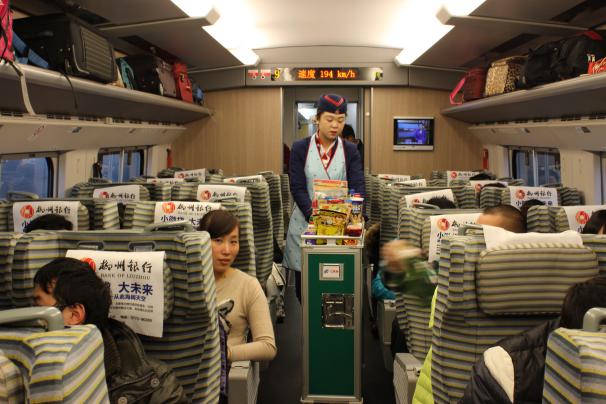
Modern food services at China’s transportation hubs combine convenience with quality
China’s transportation hubs have undergone a remarkable culinary transformation. Today’s airports, high-speed rail stations, and metro stations offer impressive dining options that rival city restaurants, making travel itself a gastronomic experience.
High-Speed Rail: The Hot Chain Revolution
Fresh hot meals delivered within one hour on high-speed trains
The game-changer in Chinese rail dining is the 1-hour fresh hot chain system, replacing the old 72-hour cold meals. Signature dishes like Hunan-style yellow beef and Wuxi-style braised ribs reach passengers fresh and hot, maintaining authentic flavors at 300 km/h.
In 2025, the Yangtze River Delta expanded its railway catering network to 21 stations with over 60 merchants offering 100+ varieties of hot meals. During Spring Festival, 27 new specialty dishes launched on trains traveling from the Greater Bay Area to Beijing, Shanghai, and Wuhan.
How to Order:
- Pre-order through Railway 12306 app under “Dining & Specialties”
- Scan QR codes on armrests for real-time ordering
- Meals delivered directly to your seat
- Prices: RMB 30-80 depending on selection
Regional Specialties: Different routes showcase local cuisines—Sichuan trains offer authentic spicy dishes, Guangdong routes feature Cantonese dim sum, and northern lines serve wheat-based specialties.
Airports: International Meets Local
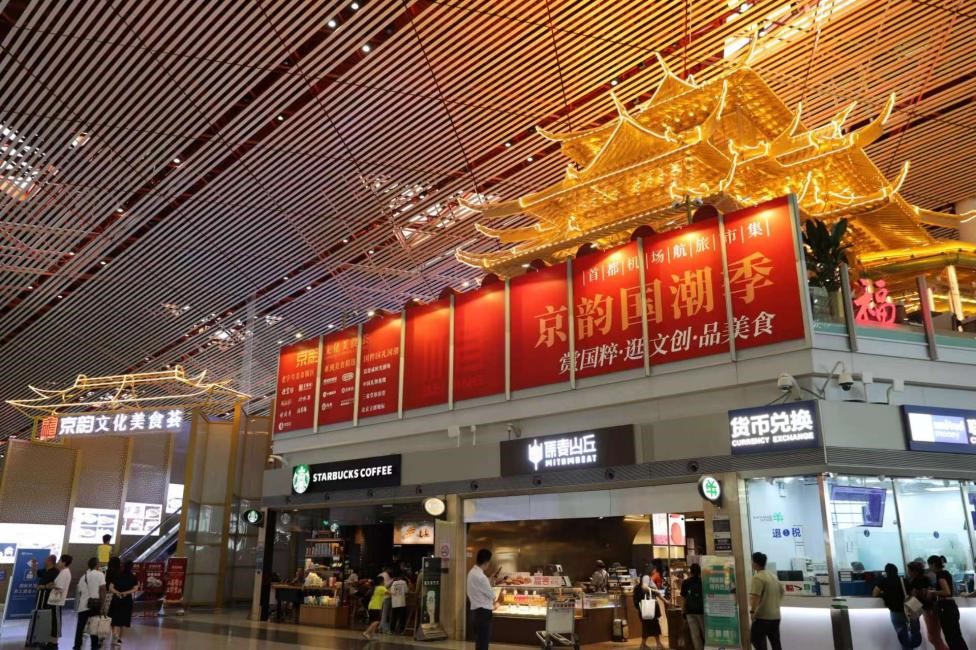
Diverse dining options at major Chinese airports
Chinese airports balance international standards with authentic local flavors.
Beijing Capital Airport:
- Traditional Beijing roast duck
- Sichuan hot pot and spicy dishes
- Cantonese dim sum
- International options: Thai curry, Korean BBQ, Japanese ramen
- Western fast food chains
Quality matches city-center restaurants, with signature dishes maintaining authentic flavors despite the airport setting.
Other Major Airports:
- Chengdu: Authentic Sichuan cuisine and hot pot
- Shanghai: Xiaolongbao and scallion oil noodles
- Guangzhou: Cantonese roasted meats and morning tea
Pricing: RMB 40-150 for most meals, with airports increasingly enforcing “city pricing” standards.
Metro Stations: Urban Dining Hubs
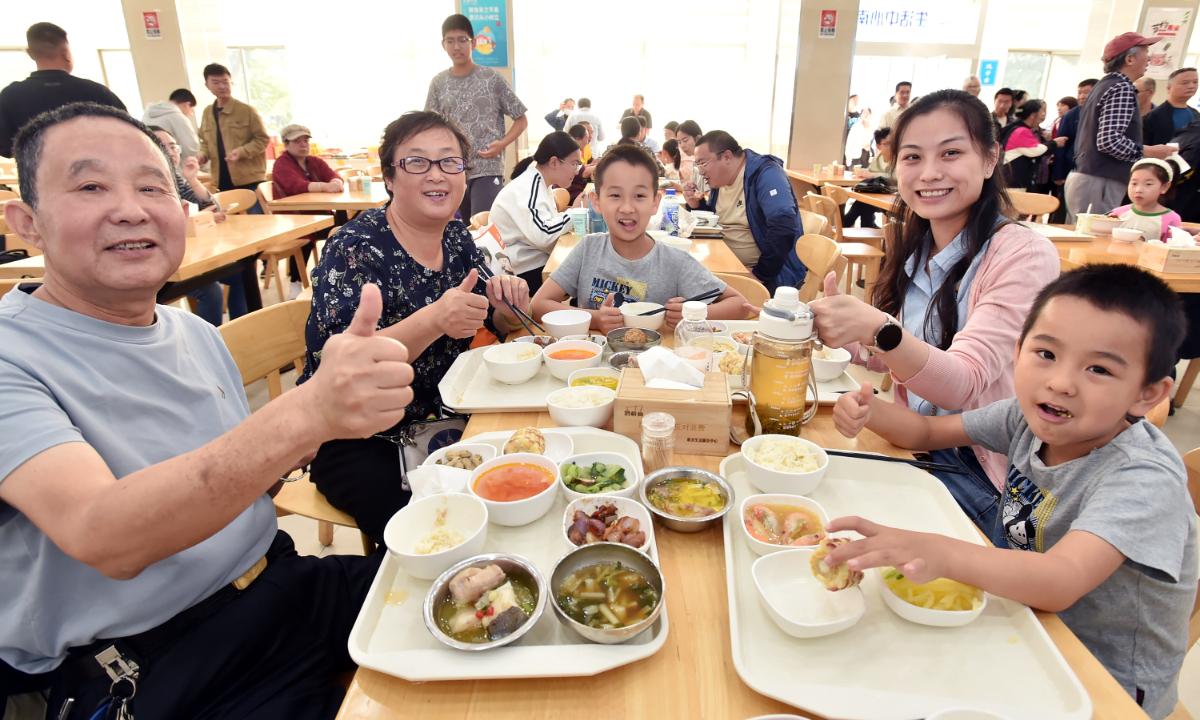
Guangjinan Food Court inside Suzhou metro station
Metro systems are integrating food services, transforming transit points into dining destinations.
Suzhou’s Innovation: China’s first metro station community dining hall—“Guangjinan Big Canteen”—spans 1,300 square meters, seats 280 diners, and operates 7:30 AM-10 PM. Features include:
- Transparent kitchens shown on TV screens
- Price comparisons with retail markets
- Fresh ingredients including live-killed fish and shrimp
- Affordable pricing: RMB 8-20 per dish
Beijing Metro Convenience: After 17 years, convenience stores returned to Beijing metro in 2021:
- Chinese foods: pork buns, cold noodles, chicken noodles
- Western options: sandwiches, pasta, salads, sushi
- Smart lockers for mobile order pickup
- Pricing: RMB 15-30 per meal
Top “Foodie-Friendly” Stations
According to Amap’s 2025 survey of 1,300+ stations, the top 10 with high-rated restaurants within 1km:
- 1.Shenzhen Futian Station
- 2.Shenzhen East Station
- 3.Chongqing Shapingba Station
- 4.Shenyang Station
- 5.Dalian Station
- 6.Xiamen Station
- 7.Huaibei Station
- 8.Qingdao Station
- 9.Hong Kong West Kowloon Station
- 10.Harbin Station
Interestingly, mega-stations like Guangzhou South and Shanghai Hongqiao didn’t make the list, proving passenger volume doesn’t guarantee quality dining.
Regional Culinary Diversity
Transportation hub food varies dramatically by region:
- Northern China: Dumplings, noodles, Beijing roast duck, lamb dishes
- Eastern China: Xiaolongbao, river fish, Hangzhou-style braised dishes
- Southern China: Cantonese dim sum, roasted meats, fresh seafood
- Western China: Spicy Sichuan hot pot, noodles, Yunnan rice noodles
- Central China: Wuhan hot dry noodles, spicy and numbing flavors
This diversity turns travel into a mobile food tour of China.
Practical Tips for Travelers
Technology:
- Download Railway 12306 app and set up mobile payment (WeChat Pay/Alipay)
- Pre-order meals to avoid queues
- Use smart lockers for contactless pickup
Dining Etiquette:
- Most metro systems prohibit eating inside trains
- Peak hours: 12-1 PM and 6-7 PM
- Digital payments are standard; cash less common
Budget:
- High-speed rail: RMB 30-80
- Airport: RMB 40-150
- Metro convenience: RMB 15-30
- Expect 20-50% premium over street prices
Best Strategy: Explore areas within 1km of stations for better value and more authentic options, as evidenced by the “foodie-friendly” station rankings.
Conclusion
China’s transportation hubs have evolved from travel necessities to culinary destinations. The shift from cold boxed meals to fresh hot chain delivery, integration of community dining halls into metro stations, and airport restaurants maintaining city-quality standards demonstrate China’s commitment to comprehensive travel experiences.
For international visitors, these transportation hub dining options offer convenient, safe introductions to Chinese cuisine. Whether grabbing breakfast at a metro convenience store, enjoying regional specialties on a bullet train, or dining at an airport before departure, quality food is now an integral part of the journey through China.
For up-to-date dining information, check Railway 12306 app or Chinese review platforms like Dianping.