
Keywords: Dietary structure, Staple and side dishes, Meat-vegetable balance, Grain-based diet
Chinese food, with its clear distinction between staple and accompanying dishes—grains as the base complemented by meat and vegetables—naturally balances nutrition and dilutes excess salt and fat. In contrast, Western diets often center on animal products with less emphasis on vegetables and grains. Scientific data indicates that the Chinese dietary structure holds a significant advantage in calorie control, vegetable intake, and overall dietary balance.
Comparing the nutritional profiles of Chinese and Western cuisines reveals a fundamental difference not in any single ingredient, but in their underlying dietary structures. This structural divergence profoundly impacts our nutritional intake and overall health.
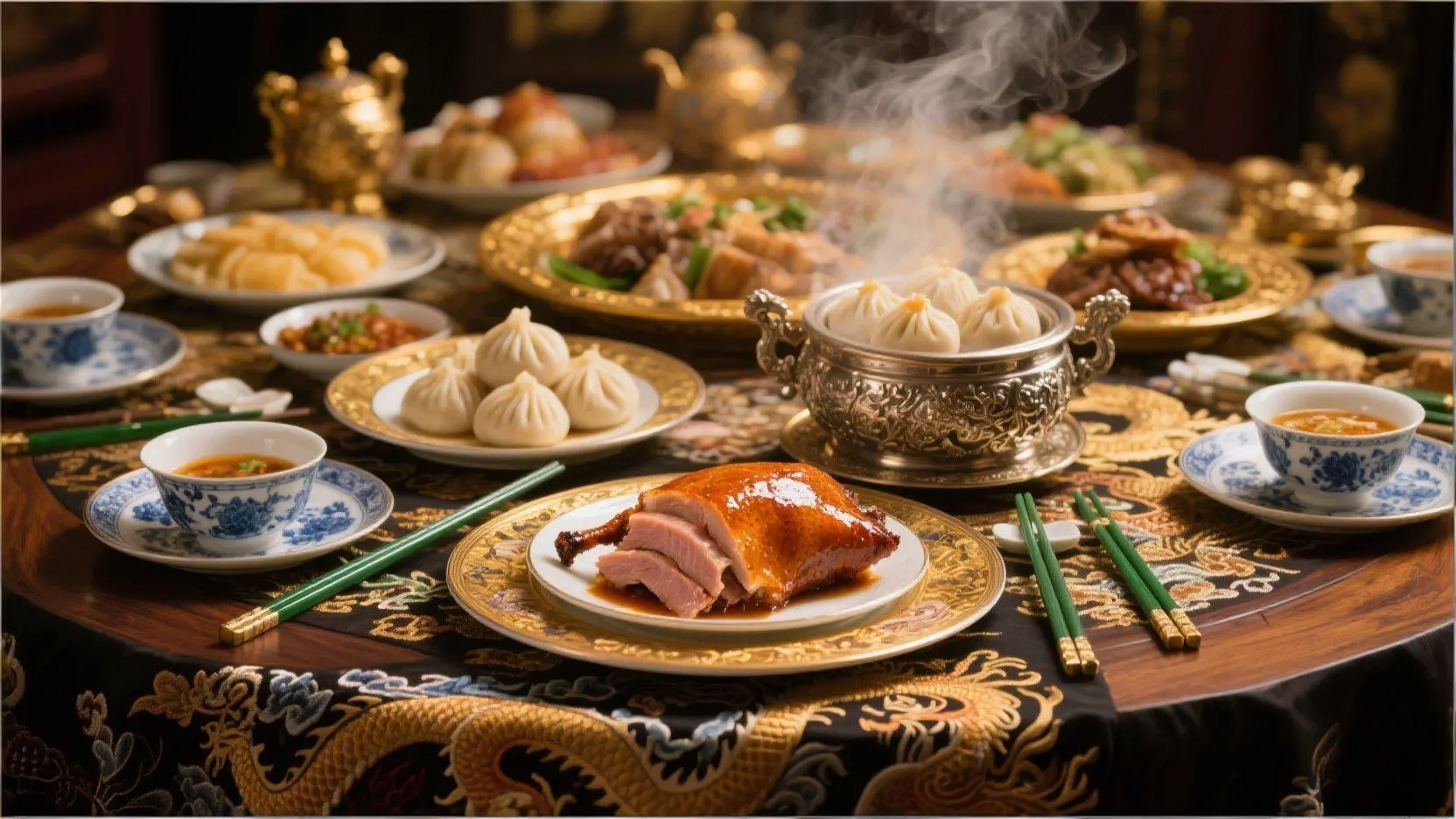
The core nutritional wisdom of Chinese cuisine lies in its clear distinction between staple and side dishes. A traditional Chinese meal is built around staple foods—grains like rice and steamed buns—which occupy the center of the table. This “Eastern dietary pattern,” based on plant-based foods, ensures carbohydrates serve as the primary energy source. Complementing this are side dishes featuring vegetables as the main component, with meat playing a supporting role. The practice of eating a mouthful of rice with a mouthful of vegetables not only facilitates protein complementarity but also naturally “dilutes” potentially high salt and fat from the dishes with the blandness of the grains. Research suggests this structure allows for a moderate intake of meat while consuming a significant amount of cooked vegetables, thereby ensuring a good supply of dietary fiber and vitamins.
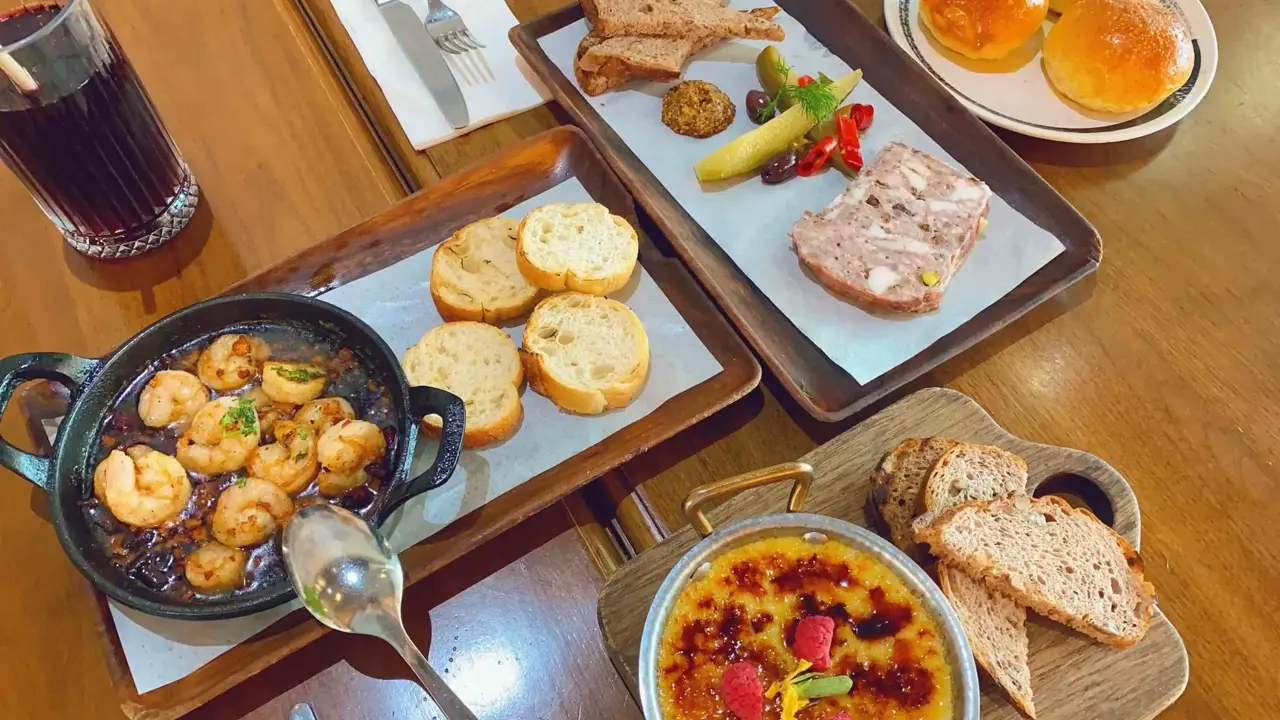
In contrast, traditional Western dietary structures often center on animal-based foods. Large cuts of meat—like steaks and roasts—are typically the centerpiece of the meal, with vegetables and grains occupying smaller portions. This model, characterized by “high calories, high fat, and low dietary fiber,” can easily lead to excess energy intake. Furthermore, the Western practice of individual plating can make it less likely to consume a diverse range of foods in a single meal.
Of course, Chinese cuisine is not without its modern challenges, such as excessive animal products in some dishes, the use of ample oil in cooking, and high salt levels. However, the inherent framework of Chinese food—“grains as the foundation, balanced with meat and vegetables”—gives it greater flexibility and health potential for adjustment compared to Western diets. Harnessing this traditional strength is a key insight that Chinese culinary practice offers to modern nutritional science.