
Harbin: Where Chinese Culture Meets European Charm on the Songhua River
On the map of China, Harbin glitters like a brilliant gem in the heart of Northeast Asia. As the capital of Heilongjiang Province, this city, spanning 53,100 square kilometers, is not only China’s largest provincial capital by area but also a renowned historical and cultural center brimming with stories.
“Harbin was born from the railway.” In the late 19th century, with the construction of the Chinese Eastern Railway, European civilization and local Chinese culture converged on the banks of the Songhua River. In just over a hundred years, Harbin transformed from a small fishing village into the famed “Moscow of the East” and “Paris of the Orient.”
Keywords: Ice City; Chinese Baroque; Ice-Snow Economy; Sino-Russian Cooperation
A Museum of World Architecture
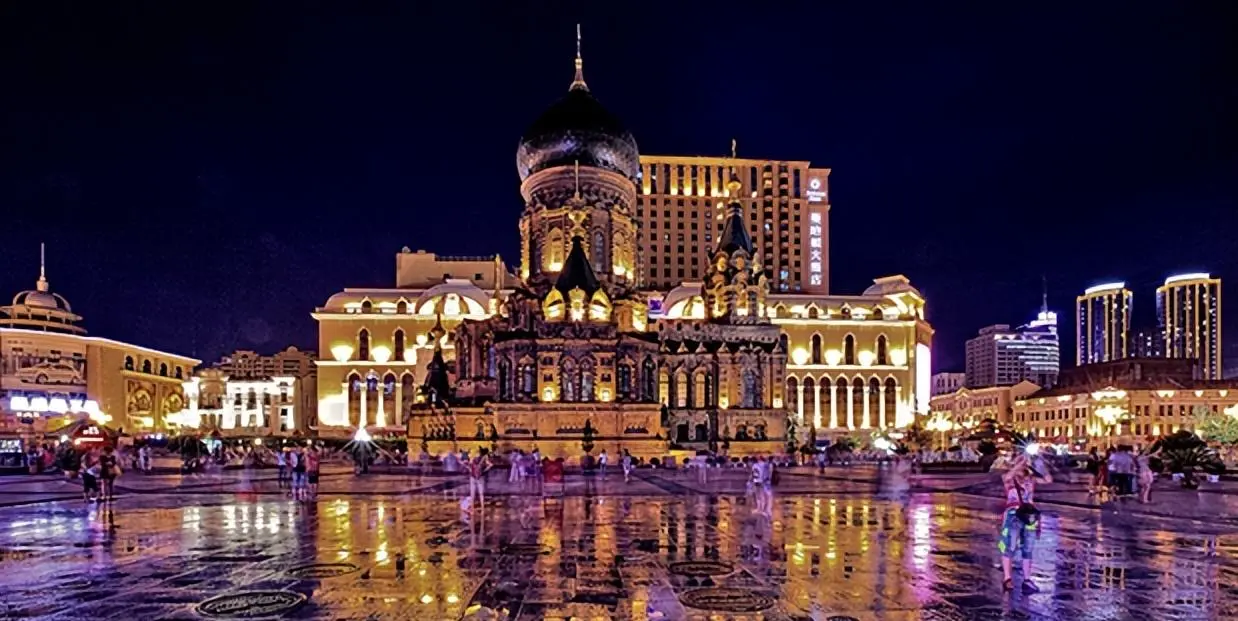
Today, the city is an open-air museum of world architecture. A stroll down Central Street reveals the smooth feel of cobblestones underfoot, lined with a stunning collection of European architectural styles from the Renaissance, Baroque, and Byzantine periods. As evening falls, melodies from balcony concerts drifting through the air can transport visitors back in time.
In stark contrast to the refined elegance of Central Street, the old Daowai district preserves China’s largest and most complete “Chinese Baroque” architectural complex. Here, ornate Western columns are ingeniously paired with traditional Chinese courtyard layouts, while traditional Chinese auspicious patterns—like bats, peonies, and ancient coins—are carved into Western-style reliefs. This masterful blend vividly showcases the ingenuity and aesthetic of cultural fusion.
The Ice City: Turning Cold into Gold
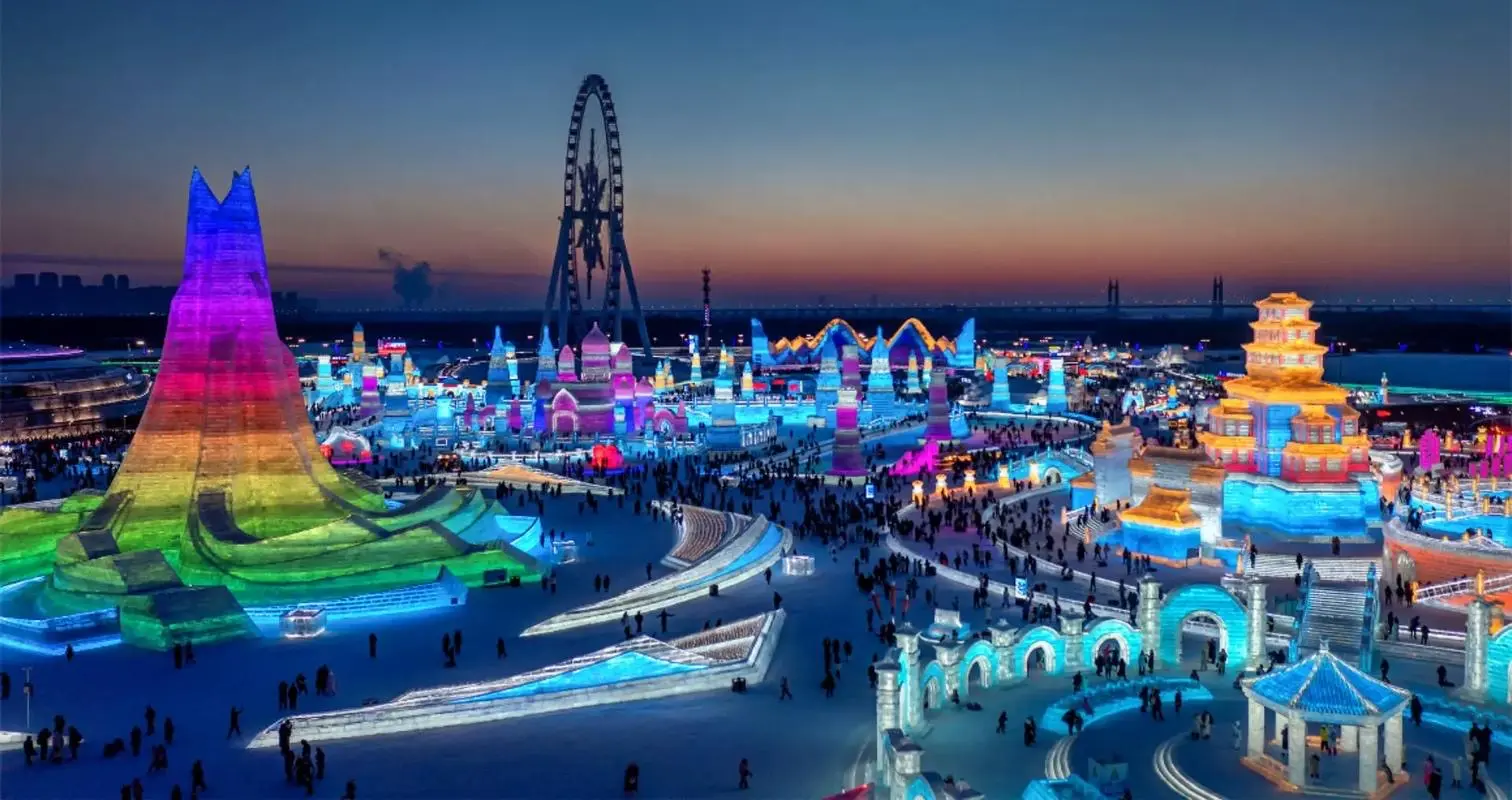
Famed as China’s “Ice City,” Harbin has transformed nature’s harsh gift into a vibrant economic asset. In winter, the city becomes the world’s largest ice and snow theme park. The magnificent Ice and Snow World and the snow sculpture expo on Sun Island draw visitors from across the globe, who marvel at the ultimate artistry of ice and snow.
In 2025, Harbin successfully hosted the 9th Asian Winter Games, cementing its status as a “Dual Asian Winter Games City.” Ice sports enjoy deep roots here, with participation ranging from professional competitions to public recreation, perfectly embodying the philosophy that “ice and snow are as valuable as gold and silver.”
A City of Music and Industry
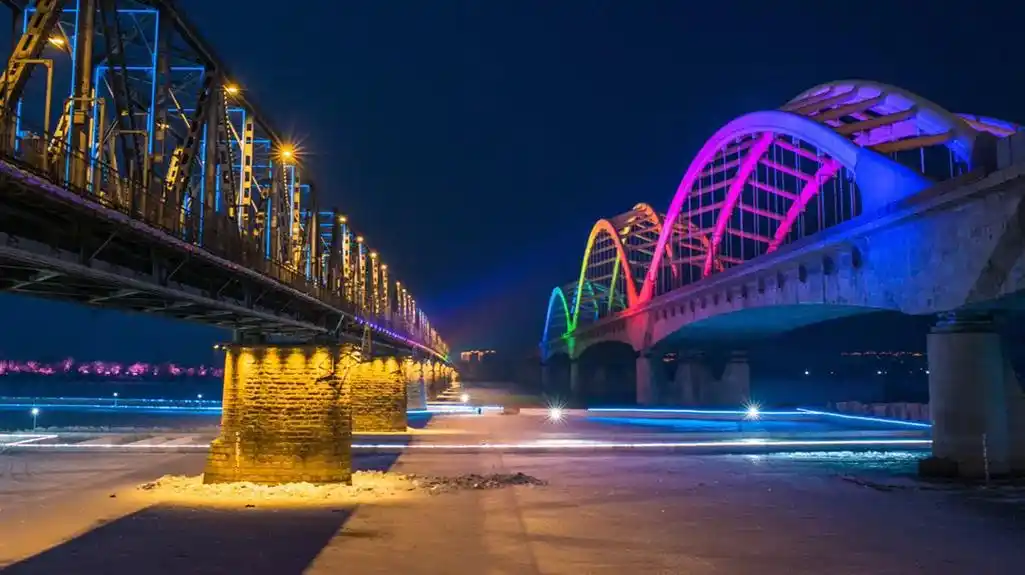
Beyond its cold beauty, Harbin possesses a warm and vibrant heart. It is one of the cradles of modern Chinese music, home to China’s first symphony orchestra, established in 1908, and is the only city in Asia designated a “City of Music” by the United Nations.
Harbin is also a city that carries the industrial memory of the People’s Republic. During the First Five-Year Plan period, 13 key projects aided by the Soviet Union were located here, and the city’s “Three Great Powers” power equipment manufacturers made indelible contributions to the nation’s industrialization.
Looking to the Future
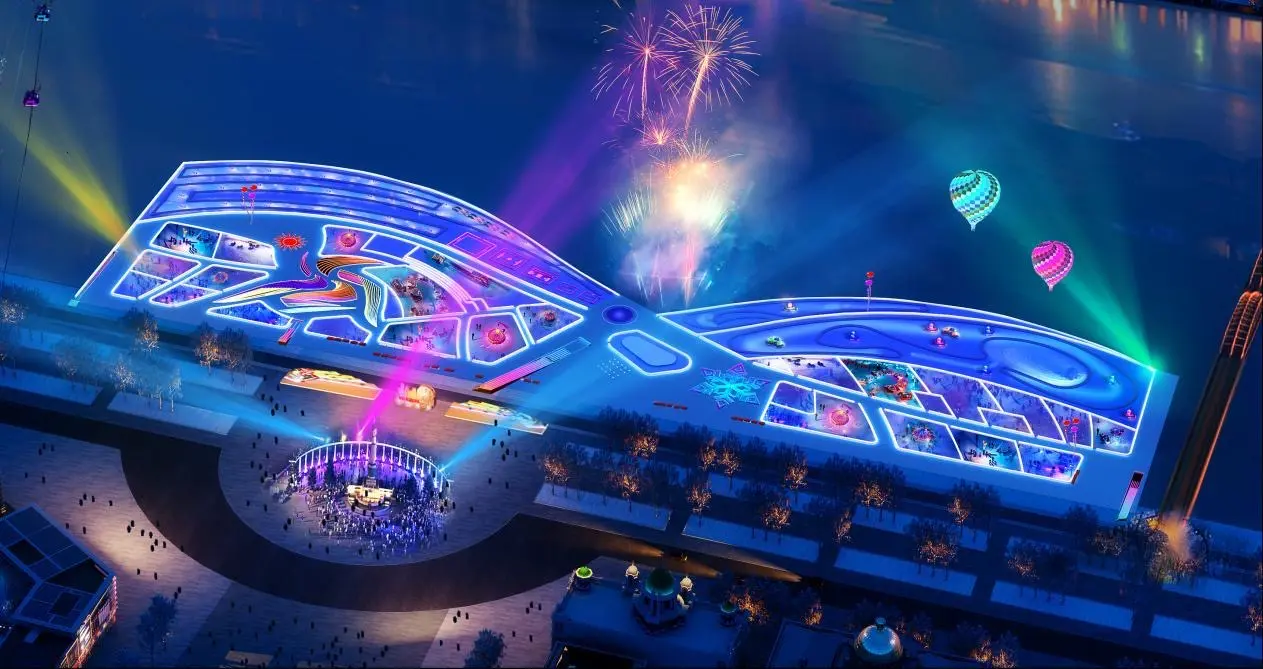
Today, Harbin stands at a new historical starting point. Leveraging its advantageous position for cooperation with Russia, the city is actively building itself as a new highland for opening northwards. Evolving from winter-only prosperity to year-round appeal, and transitioning from a traditional industrial base to an innovative tech hub, Harbin—with its open attitude, inclusive spirit, and unique charm—is telling the world a compelling story of “Erbin” (a local nickname for the city), one that is both internationally appealing and deeply rooted in Chinese character.