
If you’ve ever fallen down a TikTok rabbit hole at midnight and wondered, “Why can’t I stop watching?” — the answer lies in China. The algorithm powering TikTok’s Chinese counterpart, Douyin (抖音), is the engine behind the world’s most effective attention machine.
What Makes the Algorithm So Powerful?
Unlike traditional social media platforms that show you content from people you follow, Douyin prioritizes algorithmically distributed content over interpersonal connections — positioning it less as a social network and more as an algorithmic medium, where content exposure is governed by automated decision-making rather than human editorial control or user networks.
In plain terms: you don’t need to follow anyone to get a perfectly personalized feed. The algorithm figures out what you love — and delivers it — within minutes of opening the app.
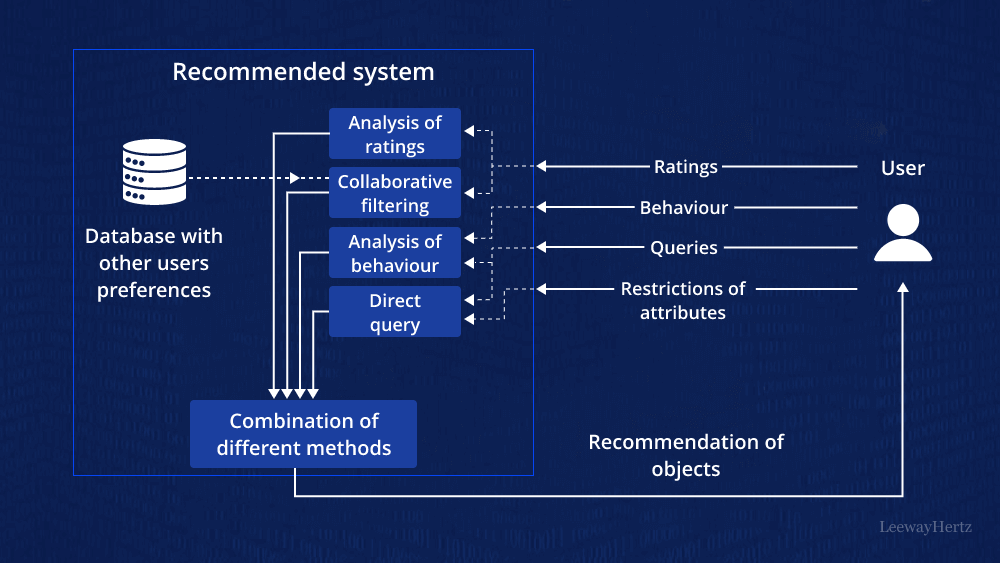
How AI-based recommendation systems personalize content feeds at scale
At the heart of Douyin’s success lies a proprietary recommendation algorithm that analyzes over 100 user interaction signals in real-time. This data processing happens at staggering scale — the platform serves over 10 billion video views daily while maintaining sub-second latency for personalized recommendations.
The signals it tracks include: how long you watched a video, whether you replayed it, whether you shared or commented, and even the speed at which you scrolled past something. Every micro-interaction is a data point feeding the machine.
The “Traffic Pool” System
Douyin doesn’t push a video to everyone at once. The platform divides users into small batch buckets and uses an A/B test system to verify the performance of content — comparing experimental groups against baselines to determine what content deserves wider distribution.
This creates a meritocratic amplification system. A video from a brand-new creator with zero followers can go massively viral — if the algorithm’s test audiences engage with it. Conversely, even established creators see their content buried if it underperforms in early testing windows.
The “For You” style feed analyzes watch time, completion rate, re-watches, likes, comments, and shares to recommend content. Unlike legacy social platforms, Douyin’s discovery algorithm also surfaces content from creators you don’t follow — giving strong content the ability to go viral regardless of the creator’s following size.
Commerce: Where the Algorithm Really Flexes
The algorithm isn’t just about entertainment — it’s a sales machine. Douyin has pioneered the “see now, buy now” shopping experience in China, with 2023 platform GMV exceeding ¥2 trillion. Top-performing products often see 300–500% sales spikes within hours of trending on the platform.

Live commerce on Chinese short video platforms generates trillions in annual sales
An astonishing 72% of users have made purchases during influencer livestreams. The algorithm knows exactly which viewer is most likely to buy a specific product — and serves them that livestream at precisely the right moment.
Why It’s Different from Western Platforms
TikTok/Douyin algorithms are considered 10x more addictive than other social media platforms. The reasons are structural: Douyin operates with deeper e-commerce integrations, more granular behavioral data tied to China’s digital ID ecosystem, and a regulatory environment that encourages close collaboration between government and platform to shape what content gets amplified.
Douyin doesn’t rely on follower networks to distribute content — discovery is behaviour-led, not relationship-led. Creative performance can unlock reach quickly, even for newer accounts.
The Bottom Line
China’s short video algorithm is powerful not because of any single feature, but because of its feedback loop at scale: 700 million people generating behavioral data every day, feeding a system that gets sharper with every scroll, every pause, every purchase. It has reshaped entertainment, commerce, and urban culture across China — and through TikTok, it’s quietly doing the same to the rest of the world.
Have more questions about China’s digital ecosystem? Ask us at Ask China.