
Key words Chinese smartphone brands, Huawei foldable phones, Xiaomi AIoT ecosystem, Vivo global market share, OPPO AI phone innovation
Huawei: The Flagship of Technological Resilience
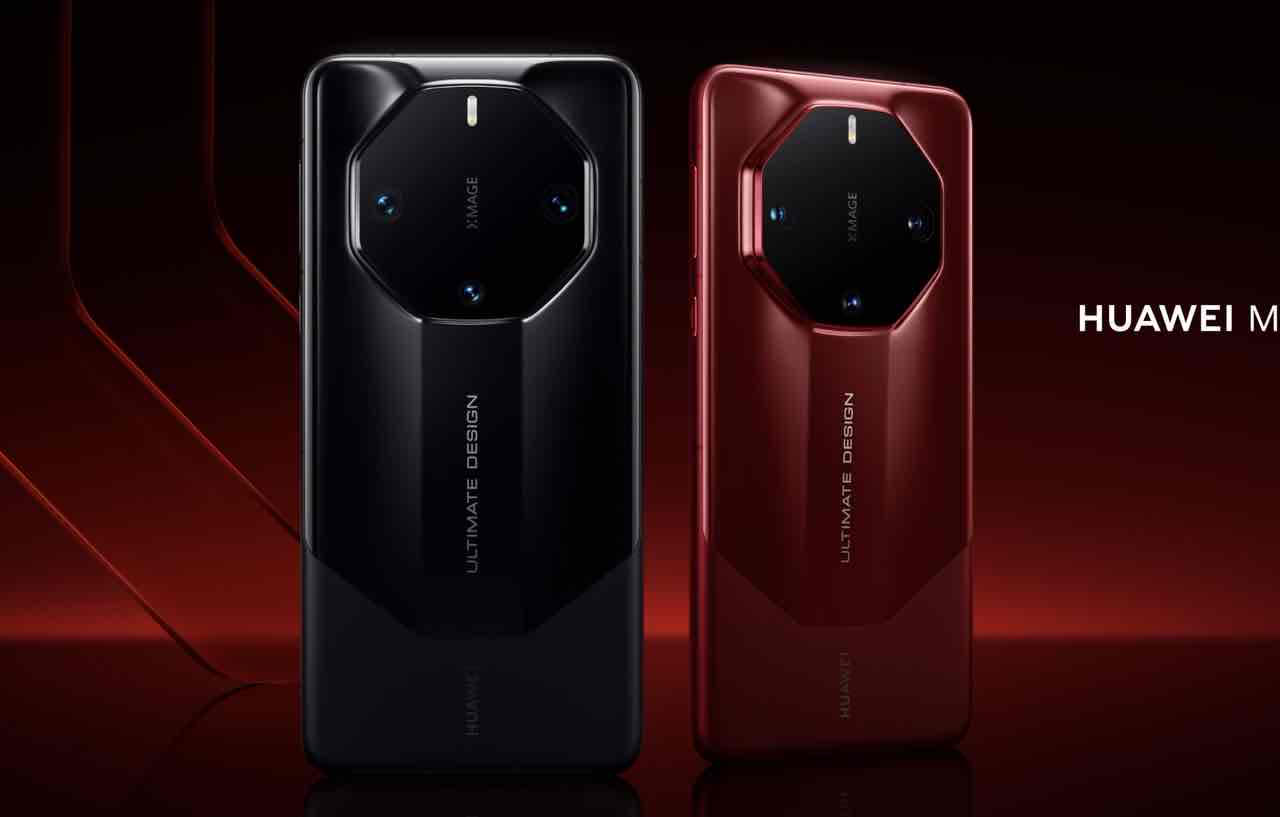
Huawei’s story mirrors the development trajectory of China‘s high-tech industry. After facing sanctions and challenges, the company has demonstrated remarkable resilience.
According to the latest market data, Huawei‘s smartphone activations reached 6.34 million units in January 2025, capturing the top spot in the domestic market with a 19.3% share. This represents an increase of 1.37 million units compared to January 2024, reflecting year-on-year growth of 27.7%.
From the world’s first triple-foldable phone to the consumer-grade satellite communication applications, Huawei is redefining the dimensions of industry competition with a series of disruptive product innovations. The global launch of the Huawei Mate XT Ultimate Master in Kuala Lumpur signals Huawei‘s renewed push into the international market.
The construction of the HarmonyOS ecosystem is key to its strategic depth. Connecting over 1 billion devices, the HarmonyOS system builds a “hardware + software + services” closed loop for all scenarios, propelling Huawei‘s transformation from a hardware manufacturer to an ecosystem architect.
Xiaomi: The Global Expander of the AIoT Ecosystem
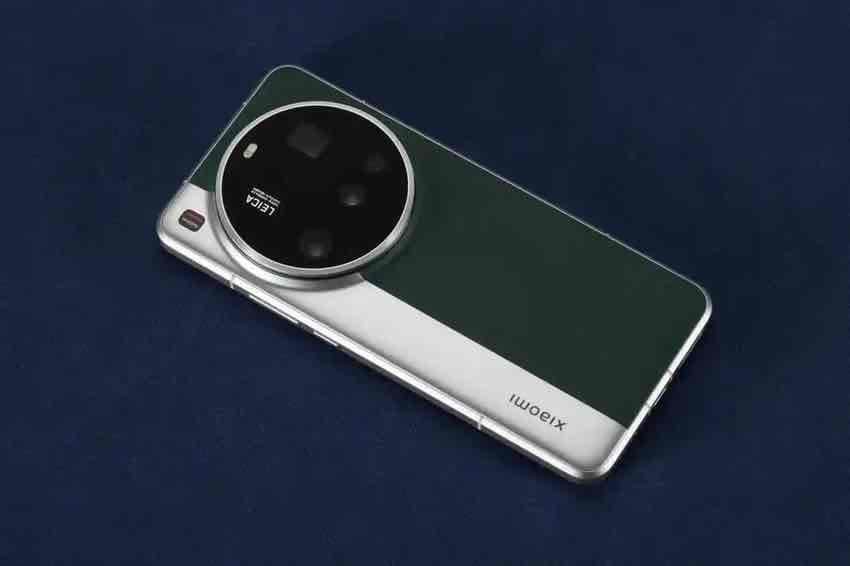
Xiaomi‘s growth story showcases a unique dual-track strategy. In Q2 2025, Xiaomi Group‘s total revenue increased by 30.5% year-on-year, with particularly strong performance in smart electric vehicle and AI businesse.
Global smartphone shipments have ranked among the top three for 20 consecutive quarters, forming Xiaomi‘s solid foundation. Its success in the European market is especially notable, with market share reaching 23.4%, surpassing Apple‘s 21% for the first time.
Xiaomi‘s true strength lies in its ecosystem construction. The number of connected IoT devices is approaching 989 million. Through its “ecosystem chain model,” Xiaomi has built a three-tier product matrix centered on its smartphone business, creating a formidable ecosystem barrier.
Vivo: The Quiet Global Market Conqueror
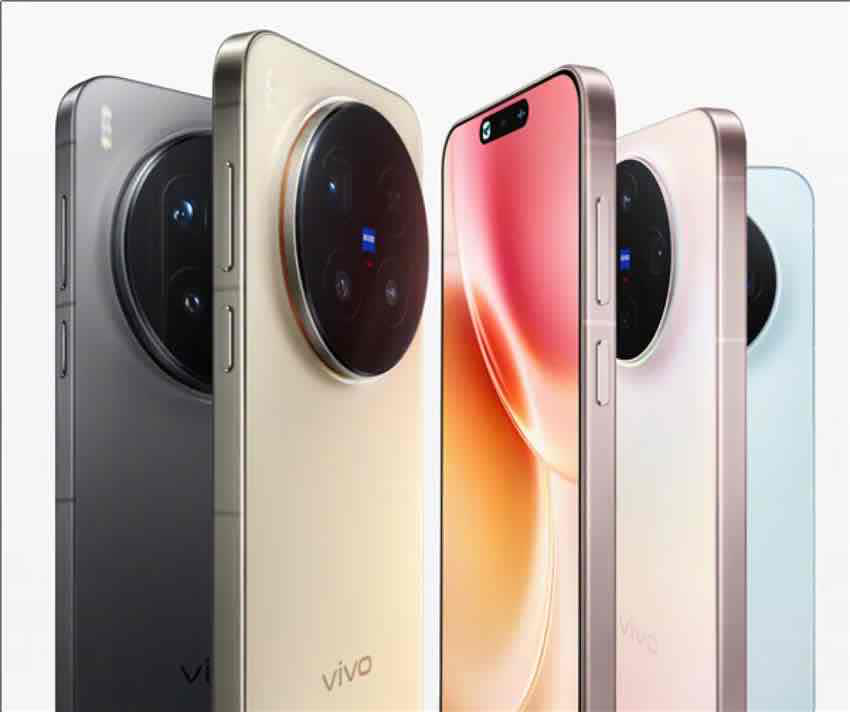
In the global smartphone market competition, Vivo‘s performance is one of the most noteworthy stories. In Q2 2025, Vivo became the only Chinese smartphone brand to achieve positive growth in global market share, ranking fourth worldwide with a 9% share.
In contrast to the high-profile promotions of other brands, Vivo has adopted a distinctly different market strategy. By focusing on design, imaging, and user experience, Vivo has steadily increased its share in the global market. Particularly noteworthy is Vivo’s significant improvement in overseas market share, achieving growth in several key markets.
This focused strategy allows Vivo to maintain a distinctive position in a fiercely competitive market, continuously gaining consumer recognition.
OPPO: The AI-Driven Technology Pioneer
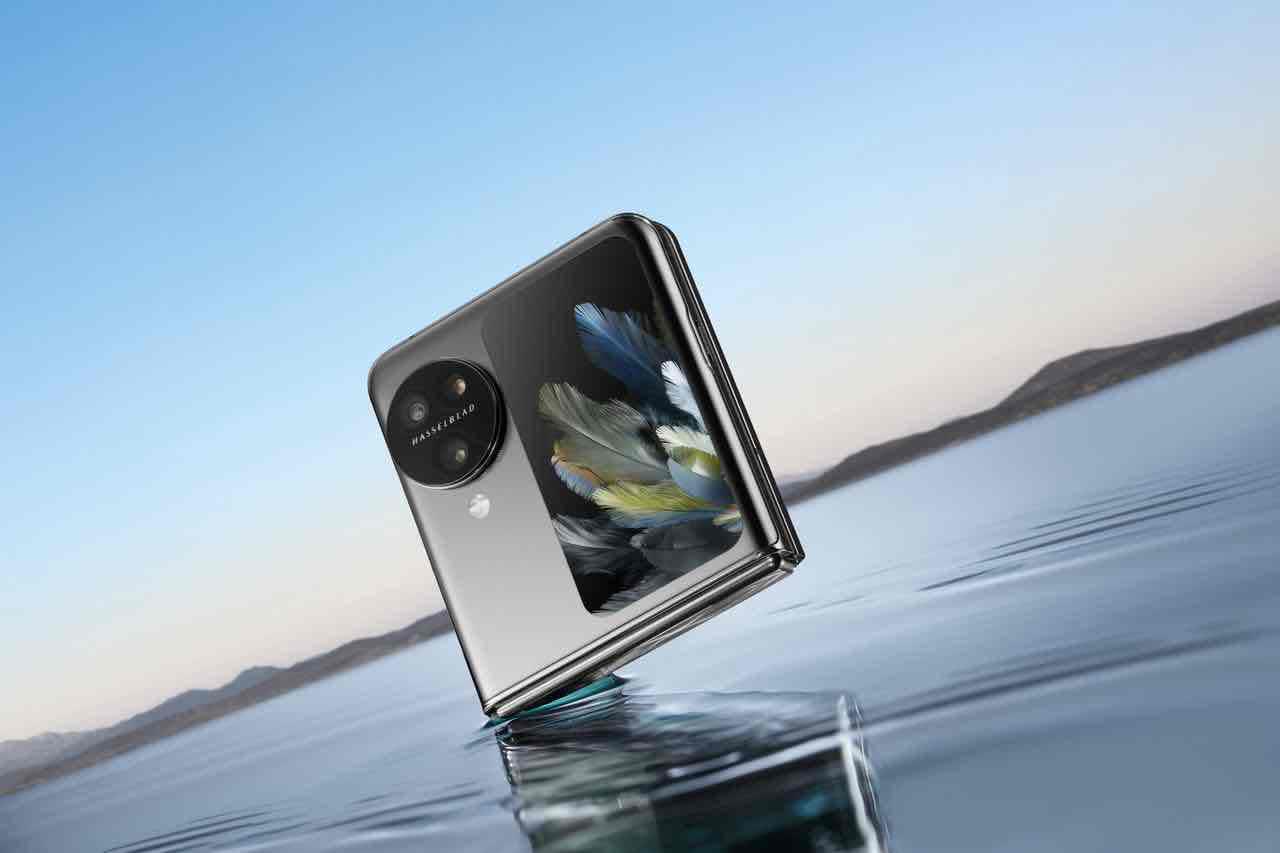
In the field of AI-powered smartphones, OPPO is already at the forefront of the industry. The company‘s latest Find X8 series features the ColorOS 15 operating system, deeply integrated with the DeepSeek large language model to create a new AI ecosystem.
OPPO‘s strength in AI has also been recognized by academia. At the 2025 CVPR conference, 10 papers from OPPO‘s research institute and various R&D teams were accepted.
OPPO plans to bring generative AI features to nearly 100 million global users by the end of 2025 and is collaborating with global partners including Google, Microsoft, MediaTek, and Qualcomm to explore further possibilities for mobile AI.
Common Trends and Global Impact
Chinese smartphone brands are collectively transitioning towards premiumization, ecosystem integration, and globalization. In the premium market, domestic Android phone transaction volumes increased by 57% year-on-year, particularly in the price segment above 4,000 yuan.
The globalization strategies of these brands has begun to yield results. Huawei plans to enter up to 60 countries and regions, with its products already available in over 30 countries and regions across Europe, the Middle East, and South America. OPPO, through collaboration with global partners, is accelerating the global adoption of AI-powered smartphones.
Ecosystem expansion has become a common strategic choice for all brands. Huawei is building a HarmonyOS all-scenario ecosystem, Xiaomi is expanding its AIoT device network, and OPPO is exploring the integration of smartphones and robotics technology, forming diversified product portfolios.