
Key Points
-
Harbin Red Sausage: A century-old delicacy with Lithuanian roots, known for its firm texture, rich garlic notes, and signature fruitwood smoked flavor.
-
Guo Bao Rou (Sweet and Sour Pork): Originated in Harbin to suit Russian tastes; features a golden, crispy exterior and tender interior, coated in a sauce made strictly from sugar and vinegar—no ketchup allowed.
-
Daliye (Big Bread): Massive, round sourdough loaves fermented with beer hops, characterized by a hard, “wok-lid” crust and a dense, slightly sour interior best enjoyed toasted with butter or jam.
-
Madieer Ice Cream: A winter ritual on Central Avenue; this premium ice cream is sold without packaging and is famous for its rich, creamy texture and lack of artificial leavening agents, even in -20°C weather.
When you think of Harbin, do you only picture vast snowscapes and intricate ice sculptures? In reality, this city, known as the “Moscow of the Orient,” hides a steaming, irresistible food culture within its sub-zero winds. The cuisine here isn’t just about the hearty spirit of Northeastern China; it also carries a rich, international flavor.
If you’re planning a trip to the Ice City, or just want to indulge your cravings from afar, this guide will reveal the magic behind Harbin’s food scene.
Harbin Red Sausage: More Than Just Sausage, It’s a Piece of History
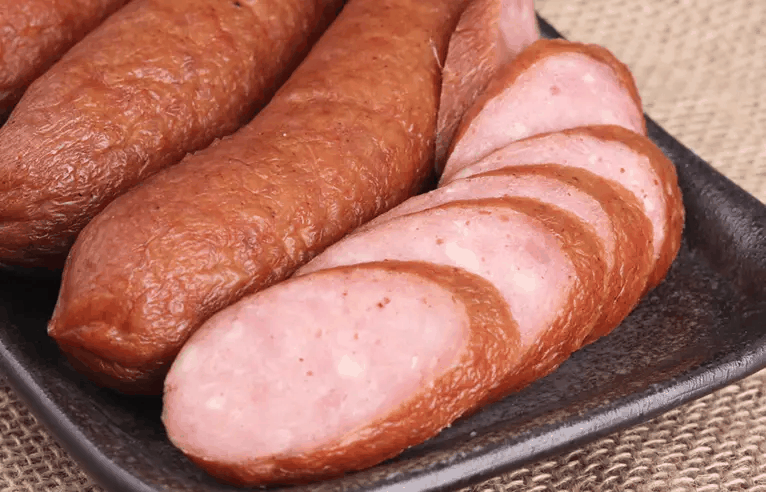
Visiting Harbin without trying its red sausage is like going to Beijing and skipping the Peking duck—a true regret.
Harbin red sausage is no ordinary sausage; it boasts a noble “mixed-heritage” quality. Originating in Lithuania and introduced via Russia, this delicacy has over a century of history in Harbin. An authentic Harbin red sausage has an enticing date-red color and a unique texture from being smoked.
What makes it so special?
It’s not just the firm, chewy texture, but the rich fruitwood smoke flavor and the perfect hint of garlic. Sliced thin and eaten directly, it’s the ultimate companion for a beer. Tucked inside a large loaf of bread, it becomes the most authentic Harbin-style lunch. With one bite, the smoky aroma instantly fills your mouth—a taste refined by time.
Guo Bao Rou (Sweet and Sour Pork): A Crispy, “International” Classic
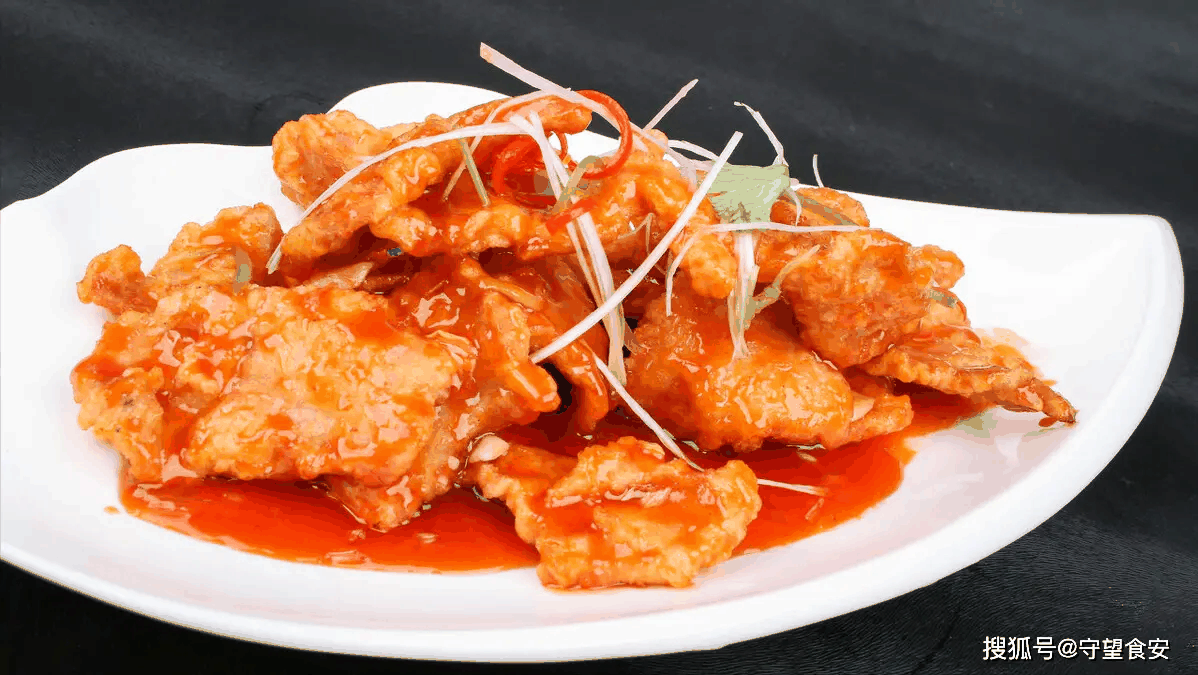
Did you know that Guo Bao Rou, a dish famous across China, actually originated in Harbin?
This renowned dish was created to suit foreign tastes. A chef, aiming to please Russian guests who favored sweet and sour flavors, transformed the savory “Jiao Shao Rou Tiao” (Scorched Pork Strips) into a sweet and sour version, and it became an instant hit.
Why is Harbin’s Guo Bao Rou the best?
The secret lies in the art of “wok-tossing the sauce.” Authentic Harbin Guo Bao Rou is golden in color, with an exterior that is crispy but not hard, and an interior that is tender but not chewy. You can hear a distinct crunch when you bite into it, followed by a sweet and sour sauce (made only with sugar and vinegar, never ketchup) that quickly captivates your palate. This perfectly balanced, crispy experience is difficult to replicate elsewhere.
Daliye Bread: Have You Ever Eaten Bread as Big as a Wok Lid?
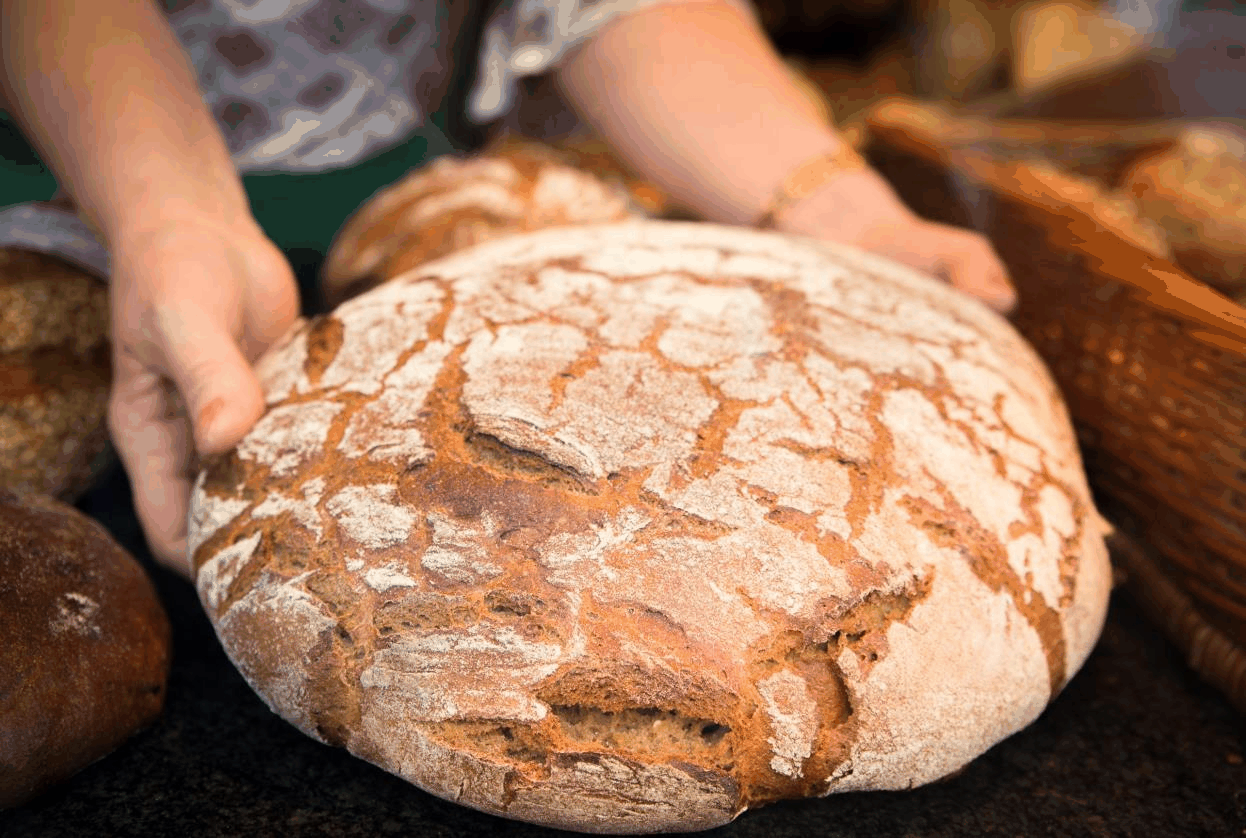
Walking the streets of Harbin, you might see people carrying a massive, round loaf of bread in a cloth bag. This is Daliye.
“Liye” is the transliteration of the Russian word for “bread.” This loaf is astonishingly large, with a diameter of up to half a meter and weighing several pounds. Its crust is as hard as a wok lid and makes a thudding sound when knocked.
So, what makes it delicious?
First-timers might find it too hard or too sour. But the charm of Daliye needs to be savored. It’s fermented with beer hops, giving it a rich wheat aroma and a unique, slightly sour, wine-like flavor when sliced. The right way to enjoy it is to slice it, toast it, and spread it with a thick layer of butter or jam, or pair it with red sausage and Subo Tang (Russian borscht). On a cold winter morning, its dense, rustic texture provides a powerful burst of energy.
Madieer Ice Cream: A Sweet Ritual You Must Enjoy in the Cold
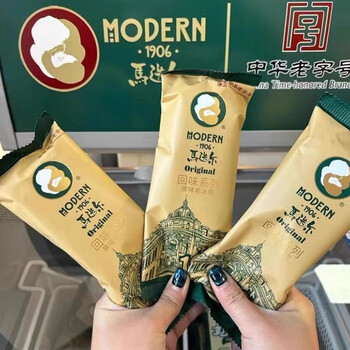
On Central Avenue, where temperatures drop below -20°C (-4°F), you’ll see a peculiar sight: people bundled in thick down jackets, happily eating ice cream bars. This is the magic of Madieer ice cream.
Madieer ice cream is a Harbin legend, still maintaining its century-old tradition: “sweet but not cloying, with fragrance in the cold.” It continues to be sold without any packaging, straight from the box.
Why eat it in winter?
It’s a ritual, a delightful contrast of sensations. Madieer ice cream is incredibly creamy and made without leavening agents, giving it a dense, smooth texture. When eaten outdoors, the bar doesn’t melt or drip, allowing you to enjoy every pure, icy, milky bite. This “fighting fire with fire” approach somehow leaves you feeling warm inside.
Conclusion: A Symphony of Chinese and Western Flavors
Harbin’s culinary offerings extend far beyond these highlights. There’s also the steaming Tie Guo Dun (Iron Pot Stew), where everyone gathers around a large pot, waiting for the cornbread pancakes on the side to develop a golden crust. And don’t forget the tender, flavorful Jiang Gutou (Braised Pork Bones), where the satisfaction of sucking the marrow from the bone is simply unparalleled.
The food of this city is just like its character: it possesses the bold, enthusiastic spirit of the northern lands while being infused with the refined romance of European culture. The next time you’re in Harbin, don’t just look at the snow. Be sure to bring your appetite and embark on a flavorful adventure for your taste buds.