
Key Points
Home to celebrity pandas like Hua Hua and China’s most successful breeding program. Visit in the morning to see pandas at their most active. Don’t miss the seasonal Panda Nursery (summer/autumn) to observe newborn cubs. The vast naturalistic habitat also houses red pandas and black-necked cranes. A world-leading conservation center where education meets unforgettable wildlife encounters.
1. Celebrity Panda Central
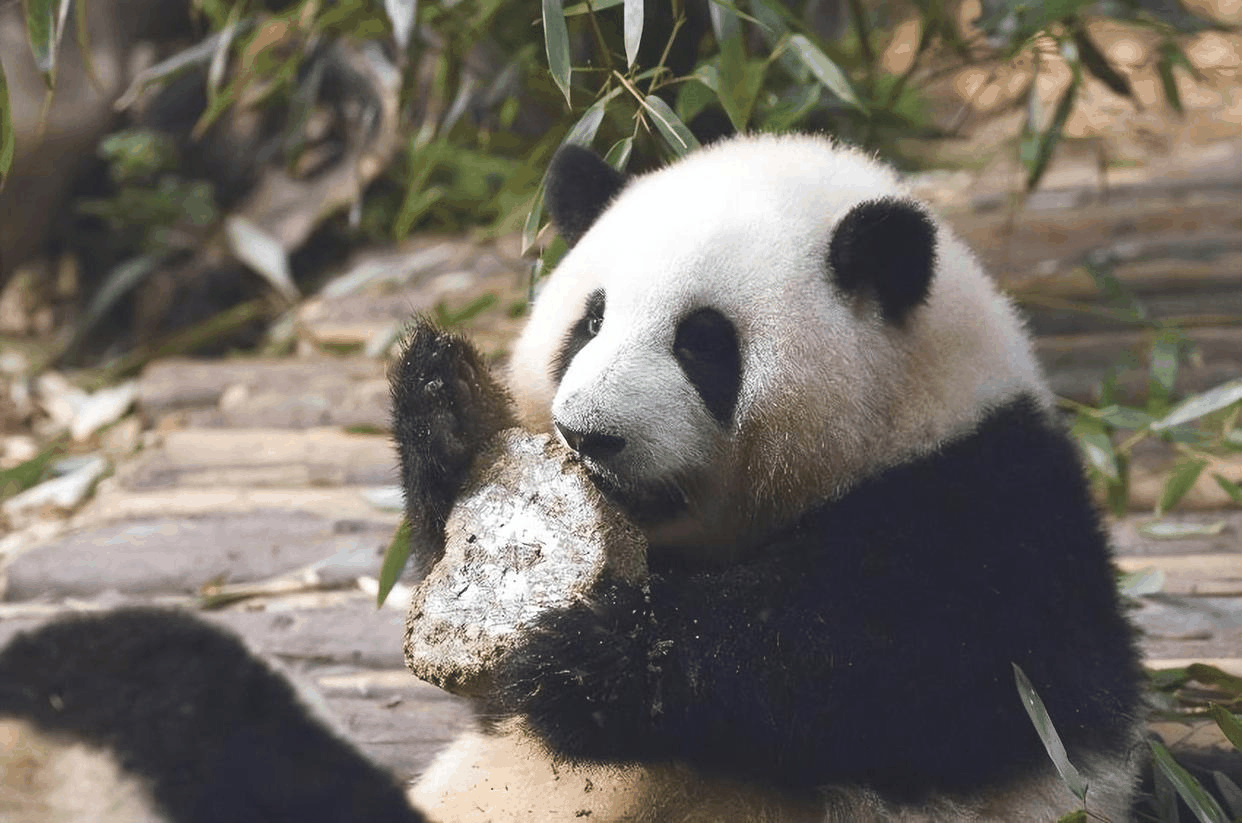
This is where China’s internet-famous pandas live. The base hosts social media superstars with millions of followers:
- Hua Hua (花花) - The “elegant lady” of the panda world with 100+ million views on Douyin, famous for her graceful demeanor and captivating charm
- Mei Lan (梅兰) - The quiet star who draws massive crowds with every appearance, known for her reserved yet magnetic presence
- Run Yue (润玥) - Affectionately nicknamed “Er Gou” (二狗) or “Cai Cai” (菜菜), this food-obsessed panda is famous for her enthusiastic eating sessions that leave visitors laughing
These aren’t just pandas—they’re celebrities with dedicated fan clubs, livestreams, and merchandise lines. The base’s social media accounts post daily updates on their activities, creating a real-time “panda soap opera.” Unlike other panda facilities where pandas are simply on display, here each panda has a distinct personality and following, making every visit feel like meeting a celebrity.
2. The Moon Nursery: Baby Panda Chaos
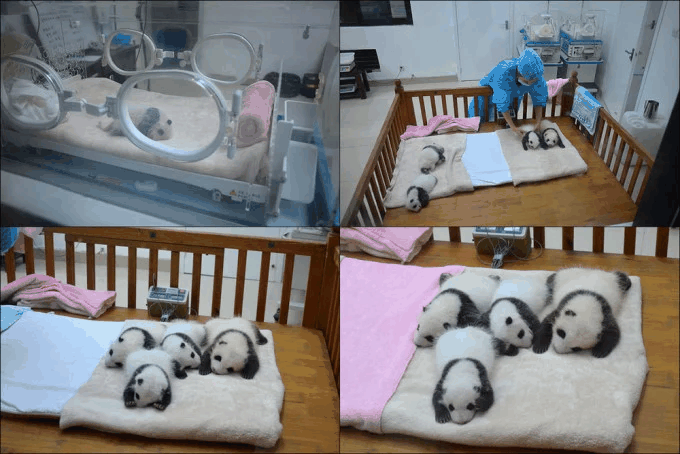
This is the base’s crown jewel and what sets it apart from many other panda facilities. The nursery showcases:
- Incubator rooms with newborn cubs (the size of butter sticks at birth!)
- Panda kindergarten where 6-12 month-olds tumble over each other
- Live demonstrations of twin-rearing techniques (mothers can typically care for only one cub at a time, so keepers rotate twins)
The best part? You’re watching actual conservation science happen. These aren’t display animals—they’re part of the world’s most successful panda breeding program. The nursery is only available when cubs are present (typically summer through autumn), making it a seasonal highlight that draws visitors from around the world.
3. Real-Time Breeding Research
During breeding season (March-May), the base becomes a fascinating educational experience:
- Behavioral monitoring rooms where scientists track hormonal changes
- “Dating” enclosures where pandas meet potential mates
- Educational displays showing the entire breeding process, from courtship to birth
The base’s breeding program has revolutionized panda conservation. They’ve pioneered artificial insemination techniques, twin-rearing methods, and even “panda dating videos” to encourage natural mating. Starting with just 6 rescued pandas in 1987, the facility has successfully bred over 200 panda cubs—a conservation success story unmatched globally.
4. The “Rolling Dumplings” Phenomenon
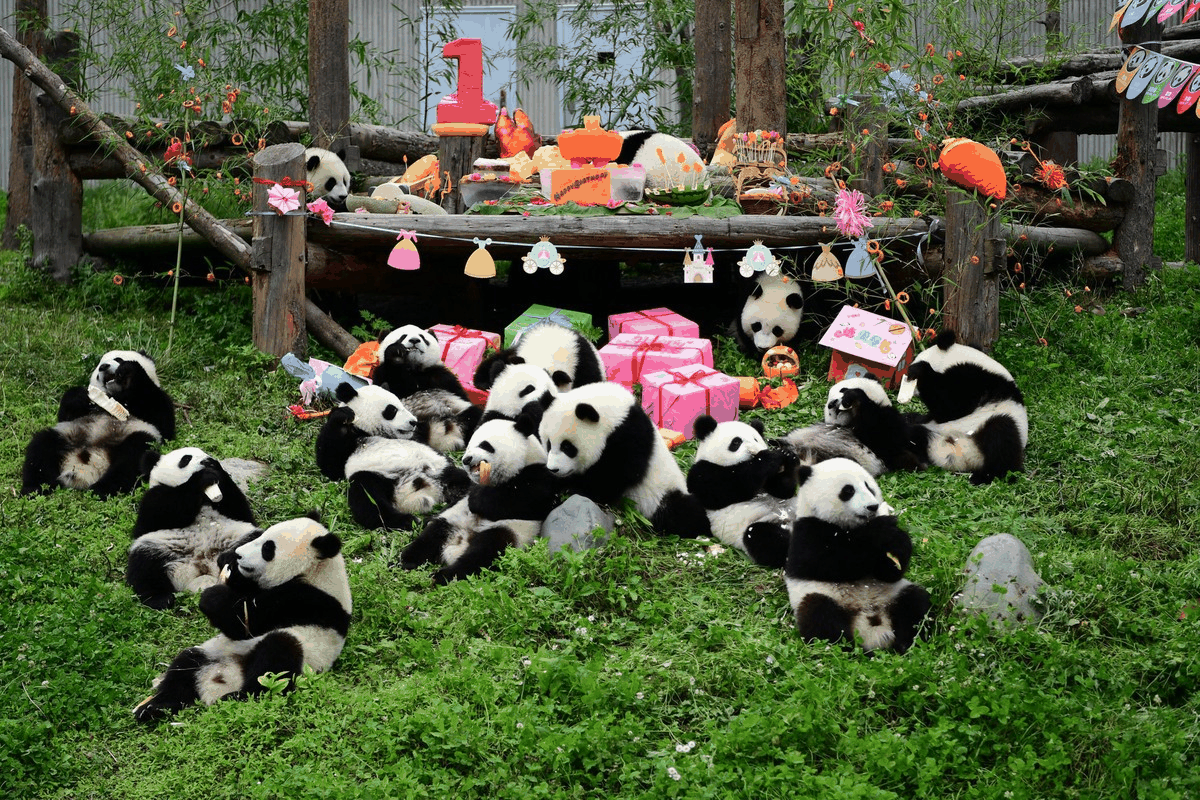
The base’s extensive 92-hectare naturalistic grounds allow you to observe why pandas earned their beloved nickname “Gun Gun”:
- Territory marking stations where pandas roll in various materials for scent-marking
- Enrichment areas with hills perfect for rolling demonstrations
- Scratching logs that often result in pandas rolling off sideways
Scientists here discovered that pandas roll an average of 12-14 times per day for various reasons: back-scratching (their round bodies and short arms make this necessary), scent-marking territory, cooling down, and pure entertainment. The base’s research has documented over 40 different rolling techniques. Watching pandas tumble, fall off platforms, and wrestle with bamboo stalks provides endless entertainment—and explains perfectly why they’re conservation’s most adorably incompetent success story.
5. Naturalistic Habitat & Ecosystem Conservation
Unlike traditional zoo enclosures, the base features:
- Bamboo forests mimicking wild panda habitats
- Red panda areas (a related, arboreal species, even more acrobatic)
- Wetlands with black-necked cranes
- Free-roaming peacocks throughout the grounds
The facility demonstrates “umbrella species” conservation—protecting panda habitats means protecting entire ecosystems. This approach has made the base a model for wildlife conservation worldwide.
Learn More For comprehensive visiting information:
- Official website: https://www.panda.org.cn/en/
- Practical guide: https://www.chinajourneyguide.com/chengdu-panda-base/