
Key Points
- Historical Roots: Originating in the late 18th century during the Qing Dynasty, it evolved from Anhui opera troupes into a sophisticated national art form.
- Core Skills: Performance relies on four fundamental pillars: Singing, Recitation, Acting, and Acrobatic Fighting.
- Character Types: Actors specialize in specific roles (Hangdang): Male (Sheng), Female (Dan), Painted Face (Jing), and Clown (Chou).
- Symbolic Aesthetics: Every visual element, from color-coded makeup (Lianpu) to elaborate costumes, conveys specific character traits and status.
- Cultural Legacy: Beyond entertainment, it preserves history and ethical values through classic tales of loyalty, love, and honor.
A Rich Historical Tapestry
Peking Opera traces its origins back to the late 18th century during the Qing Dynasty. Its birth is often marked by the arrival of four major Anhui opera troupes in Beijing. Over several decades, these performers absorbed elements from other local operas and musical styles, refining them into a cohesive system. By the mid-19th century, Peking Opera had developed into the sophisticated, highly structured art form we recognize today, solidifying its status as the most influential opera genre in China.
The Four Pillars of Performance
Unlike Western opera, which focuses primarily on singing, Peking Opera demands a comprehensive set of skills. The artistry is built upon four fundamental disciplines:
- Singing (唱, Chàng): Expressive vocal performances drive the narrative and convey deep emotion.
- Recitation (念, Niàn): Dialogue is delivered in a rhythmic, poetic style that bridges the gap between speech and song.
- Acting (做, Zuò): Actors use highly stylized movements, pantomime, and facial expressions to define their character’s state of mind.
- Acrobatic Fighting (打, Dǎ): Scenes of conflict utilize a dynamic combination of gymnastics and martial arts, showcasing immense physical prowess.
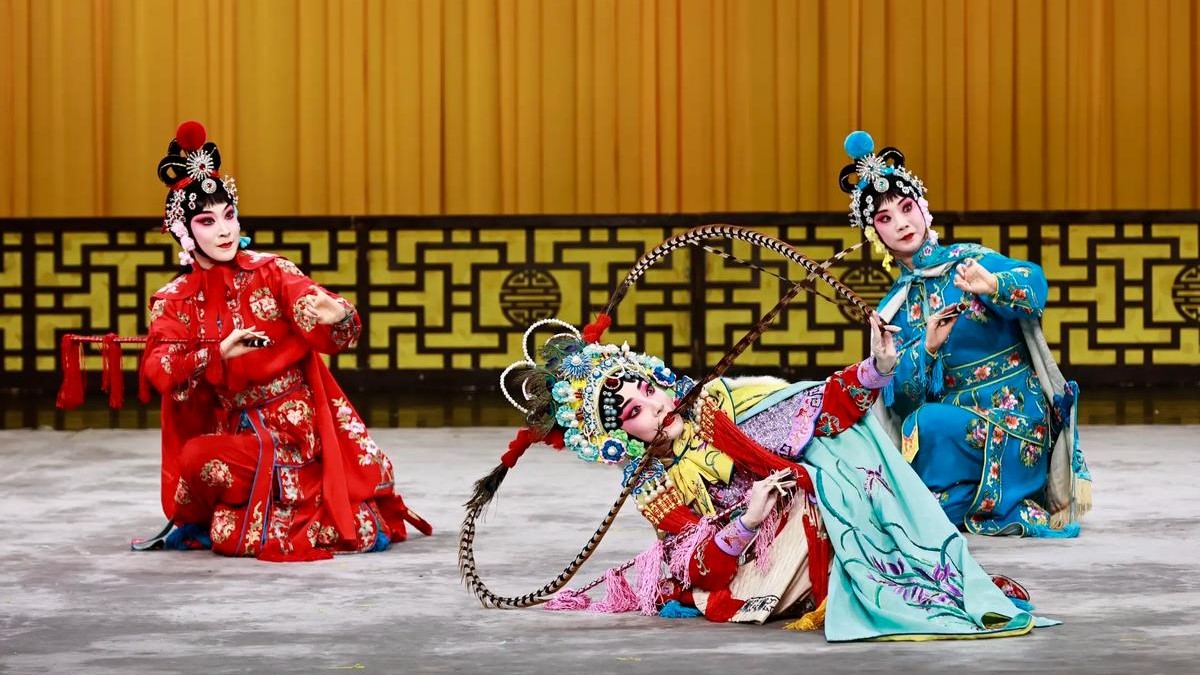
Distinct Character Roles
In Peking Opera, performers do not just play a character; they inhabit a specific archetype known as a hangdang. Each role has its own vocal and performance conventions:
- Sheng (生): These are the primary male roles, ranging from dignified older men and handsome young scholars to martial heroes.
- Dan (旦): This category encompasses all female roles, portraying virtuous ladies, vivacious maidens, or elite warriors.
- Jing (净): Known as “painted face” roles, these are powerful male characters—generals, gods, or officials—distinguished by bold, intricate facial makeup.
- Chou (丑): The clown or jester roles are easily identified by a patch of white chalk on the nose. They provide comic relief but can also represent characters who are foolish, witty, or even villainous.
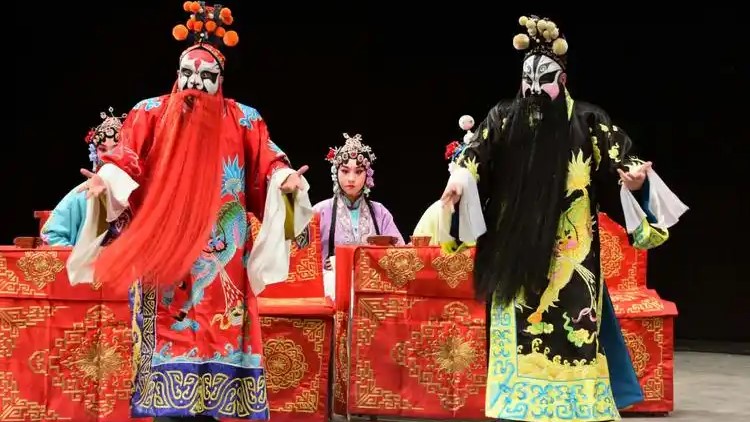
Symbolism in Sight and Sound
Peking Opera is an art of symbolism where nothing is accidental. Visually, the stage is a riot of color. Elaborate costumes indicate a character’s rank, while the famous facial makeup, or lianpu, serves as a code for personality. Red indicates loyalty and bravery; black signifies integrity; white suggests cunning or treachery; and yellow represents fierceness.
Auditorily, the experience is equally distinct. The orchestra, led by the high-pitched jinghu (a two-stringed fiddle) and driven by percussive gongs and cymbals, creates an atmosphere that guides the dramatic pacing and accentuates the actors’ movements.
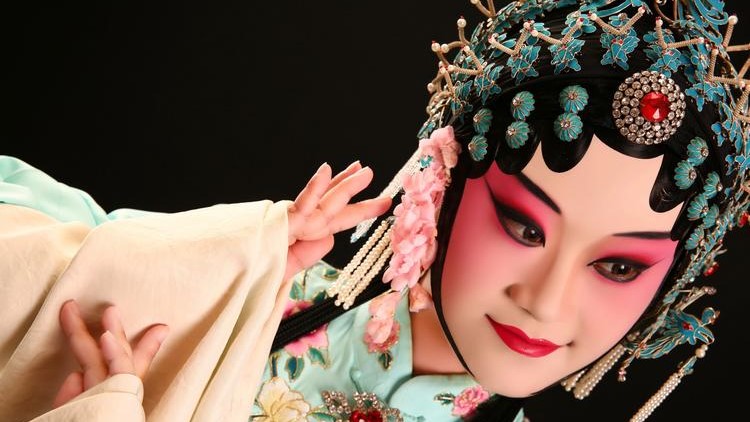
Timeless Stories and Modern Legacy
The repertoire draws from China’s vast treasury of history, folklore, and literature. Masterpieces like Farewell My Concubine (霸王别姬) and The Drunken Concubine (贵妃醉酒) explore universal themes of love, betrayal, and honor.
Today, Peking Opera is more than entertainment; it is a living repository of Chinese aesthetics and philosophy. While it faces the challenges of a modernizing world, it remains a vital symbol of national identity. Through continued preservation and innovation, this “national treasure” ensures that its stories and artistry continue to resonate with audiences in China and around the globe.