
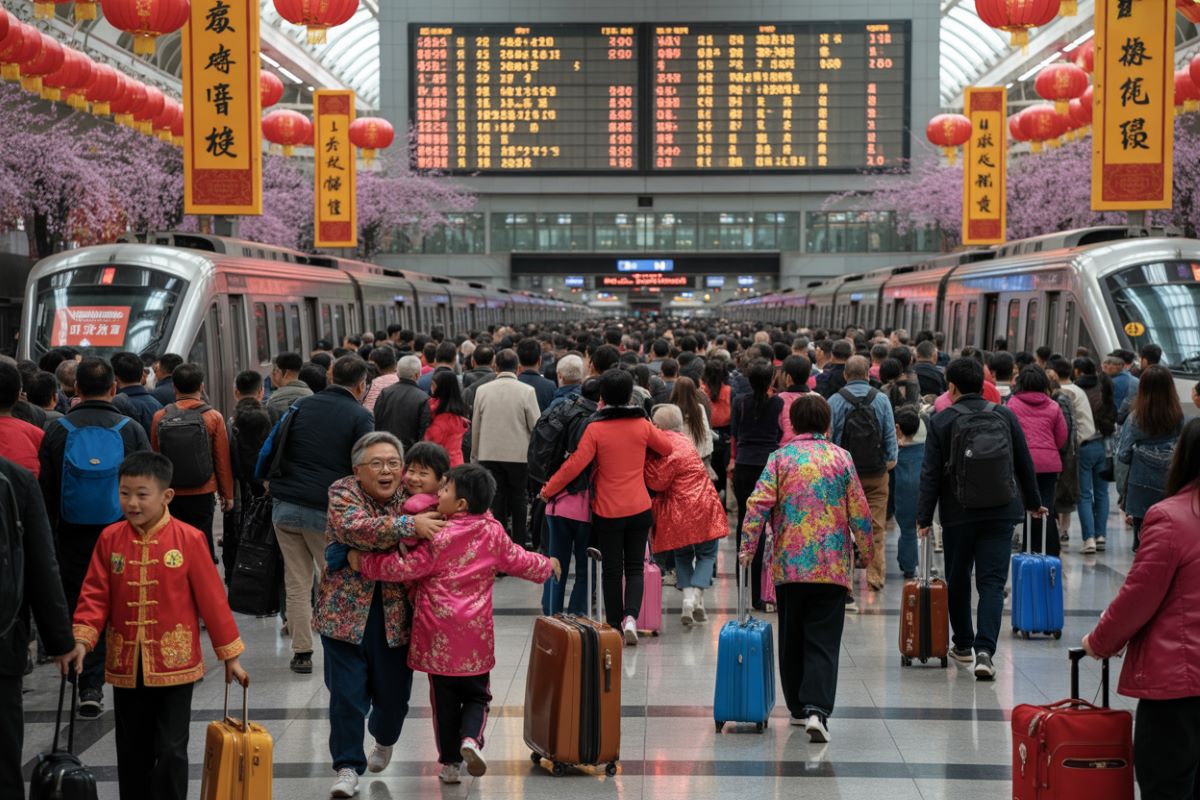
2026 Spring Festival sees historic shift in travel patterns and destinations
The 2026 Spring Festival represents a watershed in Chinese holiday culture. With 95 billion expected trips, this isn’t just China’s largest annual migration—it’s a fundamental reimagining of how families reunite and celebrate. Two powerful trends are converging: “反向春运” (Reverse Chunyun) and county tourism, both reflecting profound shifts in Chinese society.
The Reverse Flow: Parents Come to You
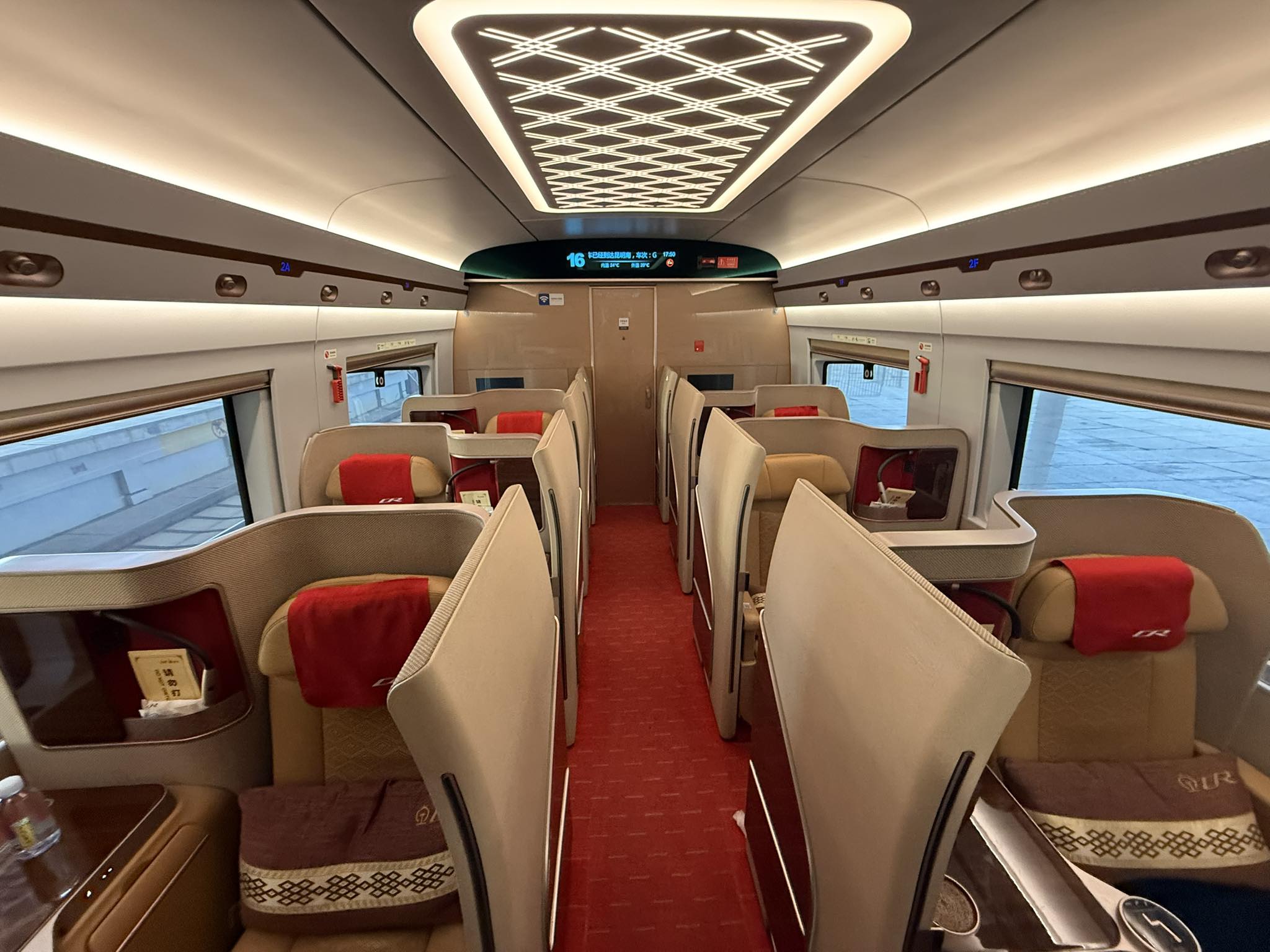
Empty seats on reverse routes contrast with packed traditional homebound trains
“Reverse Spring Festival” flight bookings jumped 84% year-over-year as parents travel to their children’s cities instead of millions battling for tickets home. The economics are compelling: railway departments offer massive discounts on reverse routes—Nanning to Hangzhou costs only ¥42, Quzhou to Jinhua just ¥2.5, often 50-70% cheaper than traditional directions.
But this trend runs deeper than price. For many young professionals, Spring Festival’s core isn’t “returning to that place” but “reuniting with those people.” Whether in a rental apartment making dumplings or celebrating without firecrackers, it’s still a complete new year.
This shift reflects changing realities. Young people establish roots in major cities—homes, careers, communities. For parents, visiting offers chances to see their children’s daily lives, meet grandchildren’s teachers, explore the cities that became their kids’ homes. National Railway data shows reverse passenger flow increased 10% in 2025, fundamentally rebalancing Spring Festival’s tidal flows.
Small Cities, Big Appeal: County Tourism Boom
While reverse migration brings parents to metropolises, another trend pulls urban dwellers toward smaller destinations. County tourism was selected as a top 2025 trending keyword, with cities like Anyang, Dehong, and Alaotai showing significant booking growth.
What’s driving this boom? High-speed rail now connects remote counties to major cities within hours. In 2026, 22 new lines totaling 3,109 kilometers will operate their first Spring Festival, including Xi’an-Yan’an and Guangzhou-Zhanjiang routes. Luxury hotel expansion provides standardized services. Most importantly, counties offer what overstressed urbanites crave: 松弛感 (relaxed-feeling travel), authentic experiences, and manageable crowds.
Rather than pursuing quantity of attractions, travelers seek deeper participation in local life—the emotional value that makes travel worthwhile.
”First Reunion, Then Travel”
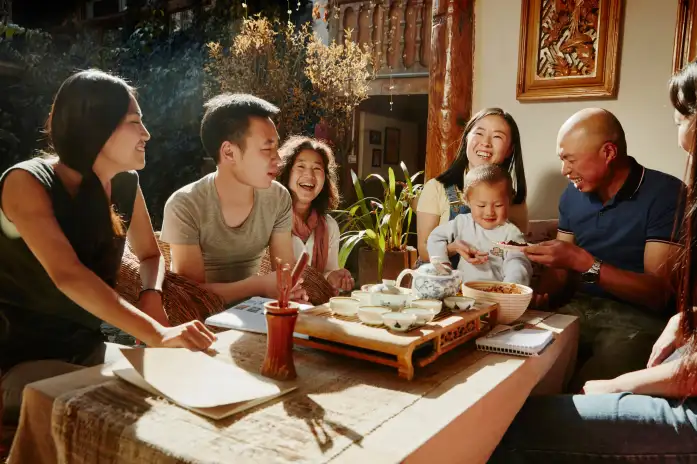
Families combining traditional reunions with modern tourism experiences
The 2026 Spring Festival Tourism report shows many users choose to first reunite with family for New Year’s Eve and greetings, then launch family travels during the latter holiday half. This “先探亲、后旅游” model elegantly solves modern time constraints.
With 90% planning provincial周边游 and average trip duration reaching 5.9 days (up 1.1 days from 2025), families spend initial days in hometown observances, then transition to tourist destinations—ice resorts in Northeast China, warm beaches in Hainan, cultural sites in historic cities. The 9-day holiday makes this dual-purpose travel possible.
“Self-driving,” “Reverse Chunyun,” and “first return home, then tour” have become defining Spring Festival trends, with urban tours, ice & snow tours, and island tours showing strong demand.
Self-Driving Dominates
Self-driving accounts for 80% of Spring Festival journeys, reflecting both infrastructure maturity and traveler desire for flexibility. For families practicing “first reunion, then travel,” cars offer perfect solutions—pick up parents, adjust routes on the fly, access counties without transfer hassles.
The government improved highway services with “one area, one solution” plans for busy service stations, adding mobile charging equipment for the growing new energy vehicle market. The “e路畅通” mini-program allows real-time queries of national highway charger status.
Cities Adapt: The Tourism Opportunity
Urban centers now recognize Spring Festival as tourism opportunity, not just exodus period. Shanghai created “Travel to Shanghai, Super Spring Festival” activities, integrating “eat, stay, travel, tour, shop, entertain” resources. Museums extend hours, special exhibitions open, cultural performances multiply.
This “讨好型城市” (accommodating cities) phenomenon shows marketing sophistication—when cities shed their usual fast pace, interpersonal warmth amplifies, making Spring Festivals spent in cities equally flavorful.
Why This Matters
These trends reveal deeper transformations. “反向春运” acknowledges that “home” is where you build life, not necessarily where you were born. It validates young people’s urban achievements while maintaining family bonds.
County tourism speaks to urbanization’s psychological costs. Small cities offer the 松弛感 that metropolitan life denies—walking flower-filled towns, learning tea-picking, experiencing authentic rhythms. As one analyst notes, travelers view holidays as important “pleasing oneself” scenarios, with “老己游” (self-care travel) on the rise.
Infrastructure Enables Choice
Rail implements new schedules with peak day trains exceeding 14,000, capacity up 5.3%. While expanding bullet trains, “green trains” continue operating, ensuring rural residents can travel. Shenyang Bureau plans 156.5 temporary train pairs—a historic high. Civil aviation expects daily average flights of 19,400, up 5%.
This infrastructure democracy ensures all socioeconomic groups can participate in new travel patterns.
Redefining Tradition
The confluence of reverse migration and county tourism isn’t abandoning tradition—it’s reimagining it for contemporary life. Spring Festival’s essence—family reunion—remains central. What’s changing is how and where that reunion occurs.
Young professionals no longer choose between career and family. Parents experience their children’s lives. Everyone combines obligation with pleasure, tradition with exploration. Counties benefit economically while preserving character.
The 2026 Spring Festival’s 95 billion trips represent China’s 1.4 billion people voting about what family, home, and celebration mean in the 21st century. From returning home to reuniting in cities, Spring Festival travel’s evolution reflects an era advancing toward more warmth and diversity.
As infrastructure improves, incomes rise, and values shift, expect these trends to strengthen. The narrative is being rewritten: Spring Festival is when families gather—whether in ancestral villages, urban apartments, or somewhere entirely new they discover together.
For real-time updates, check Railway 12306 app or provincial tourism websites.