
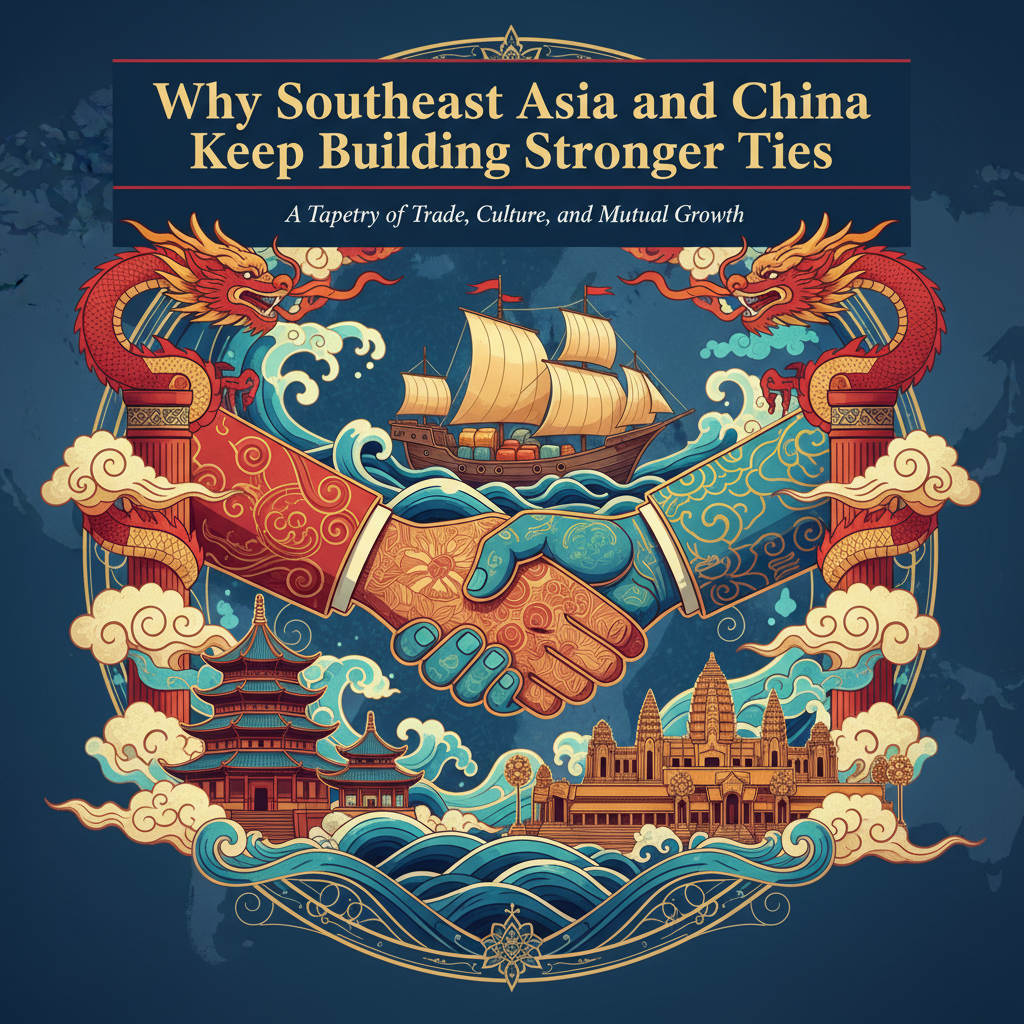
The relationship between Southeast Asian nations and China represents one of the most dynamic partnerships on the globe. We often see this connection play out in bustling trade ports, joint infrastructure projects, and shared diplomatic summits. But the roots of this collaboration run much deeper than recent headlines suggest. Southeast Asia and China maintain a close, enduring alliance built on a foundation of mutual benefit and long-term vision.
Let us explore the core reasons why these neighboring regions continue to strengthen their cooperative bonds.
Deep Economic Interdependence
Economics serves as the most visible driver of this relationship. China consistently ranks as the largest trading partner for the Association of Southeast Asian Nations (ASEAN). The two regions rely on each other to keep manufacturing supply chains moving smoothly.
Southeast Asian countries export essential raw materials and manufactured goods to China, while Chinese investments flow into Southeast Asian tech, manufacturing, and real estate sectors. This massive cross-border trade creates jobs, lowers consumer costs, and boosts the overall GDP for everyone involved. When businesses in these regions work together, they build a robust economic engine that benefits billions of people.
Shared Cultural and Historical Roots
You cannot fully understand this modern partnership without looking at history. China and Southeast Asia share centuries of trade and migration. Ancient maritime routes connected these lands long before modern borders existed, allowing people, ideas, and traditions to mix freely.
Today, this shared history translates into strong people-to-people connections. Millions of people of Chinese descent live across Southeast Asia, deeply integrated into their local communities while maintaining cultural bridges. Shared festivals, culinary influences, and philosophical traditions create a natural sense of familiarity. This cultural comfort makes business negotiations and diplomatic talks much smoother.
A Focus on Regional Stability
Peace is a prerequisite for prosperity. Both China and Southeast Asian countries understand that a stable neighborhood is essential for continued growth. Through frameworks like the ASEAN-China dialogue, leaders regularly meet to address security concerns, manage disputes, and coordinate disaster relief efforts.
While disagreements occasionally arise, the overarching priority remains conflict prevention. By keeping communication channels open and committing to diplomatic resolutions, these nations ensure that their region remains a safe environment for citizens and investors alike.
Strategic Partnerships for the Future
The collaboration between Southeast Asia and China looks firmly toward the future. Strategic partnerships now focus heavily on upgrading infrastructure and embracing new technologies. Programs like the Belt and Road Initiative have helped fund railways, highways, and ports across Southeast Asia, improving connectivity and reducing logistics costs.
Furthermore, we see increasing cooperation in green energy, digital economy development, and e-commerce. By aligning their strategic goals, China and Southeast Asian nations ensure they both remain competitive on the global stage.
The Path Forward
The close cooperation between Southeast Asia and China is not a coincidence. It is the result of deliberate, strategic choices made by nations that recognize the immense value of working together. Through economic integration, cultural respect, and a shared desire for stability, this partnership delivers undeniable mutual benefits. As both regions continue to grow and evolve, their collaborative efforts will undoubtedly shape the future of the global economy.