
Keywords: Taoism; Sinicization; Quanzhen School; Zhengyi School; Healthy Transmission

Taoism, deeply rooted in Chinese culture, holds “the Tao” (the Way) as its highest principle and reveres Laozi as its founder. Originating from the indigenous wisdom of Chinese civilization, it has developed over more than 1,800 years since Zhang Daoling founded the Five Pecks of Rice movement and Zhang Jue established the Way of the Great Peace in the Eastern Han Dynasty. Taoism matured through reforms by figures like Ge Hong and Kou Qianzhi during the Northern and Southern Dynasties. It reached its zenith of imperial patronage and influence during the Tang and Song Dynasties, and after the Yuan and Ming periods, gradually coalesced into its two main sects, Quanzhen and Zhengyi. Throughout this history, it has profoundly influenced Chinese philosophy, literature, art, science, technology, and folk customs.
In modern times, Taoism faced significant challenges and a period of decline. The founding of the People’s Republic of China ushered in a new era for the religion. The establishment of the China Taoist Association in 1957 marked a crucial transition, moving Taoism from a historically loose structure into a new phase of organized development.
Entering the new era, Taoism has demonstrated renewed vitality. In terms of organizational structure, Taoist circles are continuously improving their internal management systems. The 11th National Congress of the China Taoist Association, held in late 2025, not only elected a new leadership team but also, for the first time, established a supervisory board. The congress also reviewed and approved multiple new sets of rules and regulations, reflecting the Taoist community’s commitment to strengthening self-governance and implementing comprehensive and strict management.
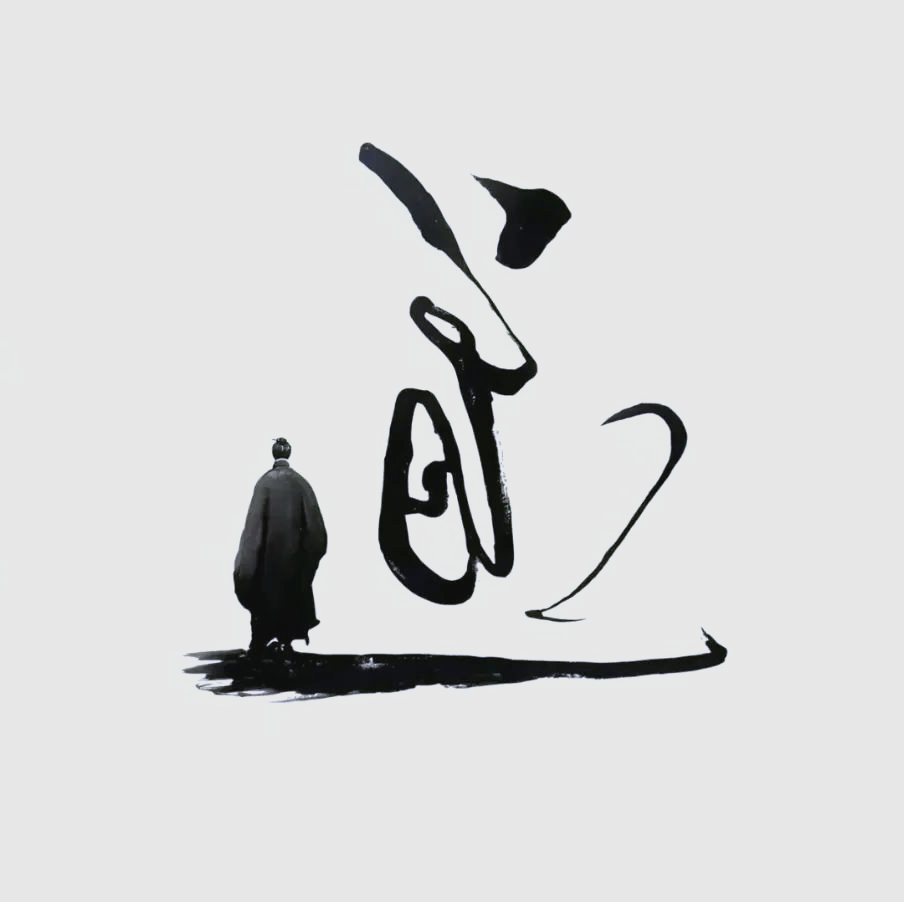
On the level of doctrine and thought, contemporary Taoism is committed to the path of Sinicization. It actively explores and promotes elements within its teachings that align with socialist core values, such as the principles of “universal compassion, love, and benefiting all beings.” It is also proactively reforming its rules and practices to adapt to modern society. Currently, there are over 9,000 Taoist temples and more than 40,000 registered clergy in China. While dedicated to their spiritual cultivation and preserving their traditions, they also actively serve society by participating in public welfare and charitable activities. Meanwhile, Taoist communities in overseas Chinese enclaves continue to share the light of this ancient Eastern wisdom. Journeying from the depths of history, Taoism is writing a new chapter in contemporary China with an attitude of proactive adaptation, embodying its timeless principle of “Tao follows what is natural.”