
Key Points
- TCM emphasizes balance and a holistic view of health.
- Practices like acupuncture and herbal medicine are gaining scientific recognition.
- TCM complements modern medicine, especially in prevention and chronic care.
- Its value lies in integrating Eastern and Western approaches for better healthcare.
In an era dominated by high-tech diagnostics, robotic surgery, and targeted pharmaceuticals, it might seem counterintuitive to look backward for healing. Yet, Traditional Chinese Medicine (TCM)—a system rooted in thousands of years of observation and philosophy—is not only surviving but finding new relevance alongside modern science.
The question of whether TCM still holds value isn’t just about nostalgia; it’s about understanding a holistic approach to health that modern medicine is only beginning to fully appreciate.
A Foundation Built on Balance
At its core, TCM is fundamentally different from Western allopathic medicine. While Western medicine often excels at targeting specific pathogens or repairing acute trauma, TCM focuses on the terrain of the body itself. It views health as a state of balance and illness as a signal of disharmony.
This system is built on concepts like Qi (vital energy), Yin and Yang (opposing but complementary forces), and the Five Elements. To a modern skeptic, these might sound like abstract philosophy rather than medical science. However, if we translate Qi as metabolic function or bioelectricity, and Yin/Yang as homeostasis (the body’s drive for equilibrium), the ancient language suddenly aligns with biological realities.
Beyond the Placebo: Acupuncture and Physical Therapies
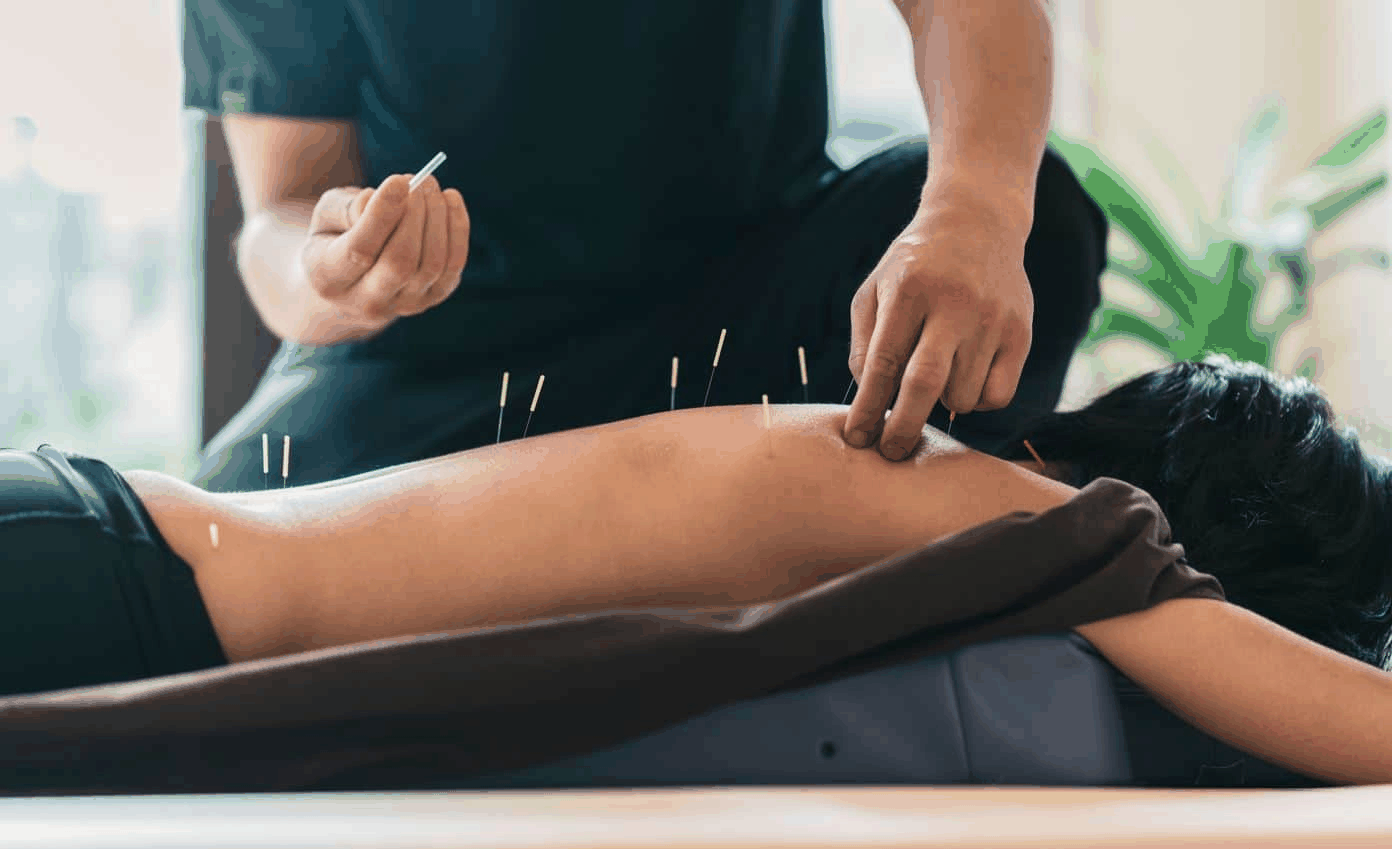
Perhaps the most widely accepted export of TCM is acupuncture. Once dismissed as mere superstition, acupuncture has gained significant traction in clinical settings worldwide.
The World Health Organization (WHO) recognizes acupuncture’s efficacy for numerous conditions, particularly chronic pain management, migraines, and nausea induced by chemotherapy. Modern research suggests that inserting fine needles into specific points stimulates the nervous system, releasing chemicals like endorphins and serotonin into the muscles, spinal cord, and brain. This is a tangible, physiological response, not magic.
Similarly, practices like Tai Chi and Qigong are increasingly prescribed for elderly patients to improve balance, reduce stress, and enhance cardiovascular health. These low-impact exercises embody the TCM principle of preventative care—strengthening the body before illness takes hold.
The Herbal Pharmacy: Ancient Roots, Modern Drugs
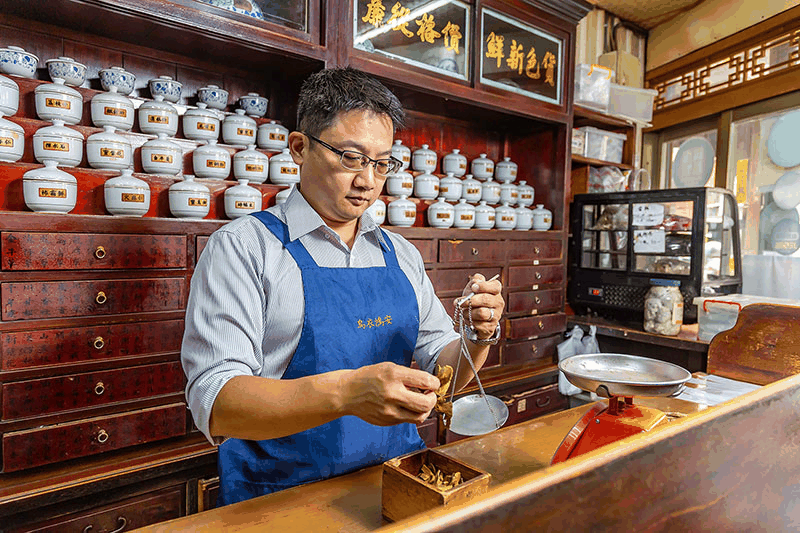
The herbal component of TCM is a vast pharmacopeia that has already contributed significantly to modern medicine. The most famous example is Artemisinin (Qinghaosu), a potent anti-malarial drug derived from sweet wormwood (Artemisia annua). Its discovery by Tu Youyou, who won the Nobel Prize in Physiology or Medicine in 2015, started with combing through ancient TCM texts to find a remedy for malaria.
This highlights a crucial value of TCM: it is a massive, pre-existing database of bioactive compounds. While not every traditional herb stands up to double-blind clinical trials, many contain active ingredients that, when isolated or used in standardized formulations, offer real therapeutic benefits.

Navigating the Controversy
Discussion of TCM would be incomplete without addressing valid criticisms. The lack of standardization in herbal products can lead to toxicity issues or contamination. Furthermore, the reliance on endangered animal parts (like pangolin scales or tiger bone) in some traditional formulations is ethically indefensible and ecologically disastrous.
There is also the challenge of scientific validation. The “gold standard” of the randomized controlled trial is difficult to apply to TCM, which is highly personalized. In TCM, two people with the same “disease” (e.g., a headache) might receive completely different treatments based on their underlying constitution. This clash of methodologies often creates friction between traditional practitioners and the scientific community.
A Complementary Future
So, is Traditional Chinese Medicine still valuable? The answer lies in integration, not substitution.
TCM shines where modern medicine sometimes struggles: chronic illness, functional disorders, stress-related conditions, and preventative care. It treats the patient, not just the chart. Conversely, modern medicine is unrivaled in acute care, surgery, and infectious disease control.
The future of healthcare likely isn’t “East vs. West,” but rather a thoughtful synthesis. By subjecting ancient wisdom to modern rigor, we can filter out the ineffective while preserving the valuable. In doing so, we gain a more complete toolkit for healing—one that honors the complexity of the human body and the wisdom of the past.