
Quick Tips for Giving Red Envelopes
- Choose Auspicious Amounts: Stick to lucky numbers. Amounts with 6s and 8s are popular, symbolizing smoothness and wealth. Avoid the number 4, as it sounds like the word for “death.”
- Use New, Crisp Bills: Presenting new banknotes shows respect and signifies a fresh start for the new year. Never use old, wrinkled bills or coins.
- Select the Right Envelope: Use a new, clean red envelope specifically designed for “ya sui qian” (New Year’s money), often featuring characters for “blessing” (福) or “Happy New Year” (新年快乐).
The Enduring Custom of Gift-Giving
Gift-giving during the Spring Festival, or Chinese New Year, is a cornerstone of social etiquette in China. It is a way to show gratitude, strengthen relationships, and extend good wishes for the year ahead. When visiting family, friends, or colleagues, bringing a thoughtful gift is not just polite—it’s expected.
The types of gifts exchanged can vary, but they often carry symbolic meaning. Popular items include fruits like oranges and pomelos, which symbolize luck and family unity. Baskets of high-quality tea, alcohol, or nutritional supplements are common when visiting elders. The act of giving and receiving is performed with both hands to show respect, and gifts are typically not opened in front of the giver.
The Red Envelope: More Than Just Money
The most iconic gift of the Chinese New Year is undoubtedly the red envelope, known as “hóngbāo” (红包) in Mandarin or “lai see” (利是) in Cantonese. These are small red packets filled with money, and they are a powerful symbol of luck and good fortune.
The Origin and Meaning of “Ya Sui Qian”
The money inside a red envelope given to children and unmarried adults is called “yā suì qián” (压岁钱). The term literally translates to “money to suppress Sui (the beast).” According to legend, a demon named Sui would terrorize children on New Year’s Eve. Parents discovered that giving children coins wrapped in red paper would ward off the beast.
Over time, this practice evolved. Today, giving “ya sui qian” is a way for elders to pass on blessings and good fortune for the coming year. It is a gesture of love and protection, meant to ensure the recipient’s safety and well-being.
The Etiquette of Giving and Receiving Red Envelopes
The tradition of red envelopes is governed by a set of unwritten rules that reflect cultural values.
- Who Gives to Whom? Generally, married adults give red envelopes to children, unmarried younger relatives, and sometimes their own parents as a sign of filial piety and respect. It is also common for employers to give hongbao to their employees as a New Year bonus.
- The Importance of the Amount: The amount of money inside is important, but the symbolism often outweighs the monetary value. The figure should be an even number, as odd numbers are associated with funerals. As mentioned, numbers containing 4 are avoided. Popular amounts are 200, 600, or 800 yuan, as 2 represents pairs, 6 signifies smoothness, and 8 sounds like the word for wealth. In some regions like Guangdong, the focus is on the act of giving itself, and smaller amounts like 10 or 20 yuan are common, as the “lai see” is about spreading good luck to many.
- Reciprocity and Social Pressure: A common practice, especially among relatives, is reciprocity. If a family gives your child 500 yuan, it is customary to give their child a similar amount in return. This can sometimes create social pressure, especially for young professionals who may find that the cost of red envelopes rivals their monthly salary.
Modern Trends and Evolving Traditions
While the core meaning remains, the customs surrounding gift-giving and red envelopes are adapting to modern life.
The Rise of Digital Hongbao
The popularization of apps like WeChat Pay and Alipay has led to the explosion of digital red envelopes. Instead of a physical exchange, people can now send money instantly to friends and family through their phones. Group chats often light up with “hongbao grabs,” where users compete to claim a randomized amount of money sent by a single user, adding a gamified element to the tradition.
The Shift from Cash to Creative Gifts
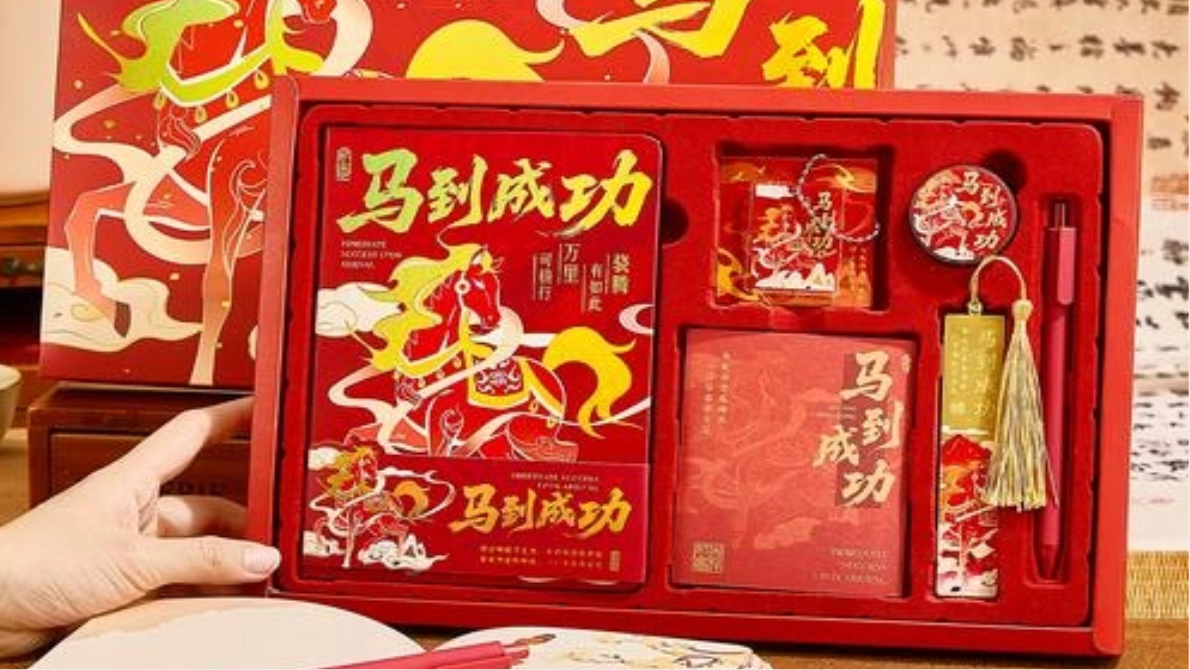
Faced with the rising financial pressure of giving ever-larger red envelopes, many younger Chinese people are opting for more creative and personal gifts. Instead of cash, they might give commemorative coins for the zodiac year, beautifully designed stationery sets from cultural institutions like the Palace Museum, or small gold trinkets.
These alternatives retain the spirit of blessing and good wishes but shift the focus from monetary value to thoughtfulness and cultural significance. This trend allows people to express their affection without the burden of financial comparison, bringing the tradition back to its original intent: a heartfelt gesture of goodwill.
Conclusion
The customs of gift-giving and red envelopes during Chinese New Year are a rich and complex part of the nation’s cultural heritage. They are a tangible way to express blessings, respect, and social bonds. While modern technology and social changes are reshaping how these traditions are practiced, their core purpose endures. They remain a beautiful and powerful way to share joy and hope for a prosperous and fortunate new year.