
Quick Tips for Exploring Chinese Food
- Look for Provincial Names: When dining out, search for restaurants named after a province (e.g., “Shanxi Noodle House”) to find authentic regional dishes.
- Don’t Fear the Unfamiliar: Dishes like “Stinky Mandarin Fish” or “Hot and Sour Soup” may sound intense, but they are beloved for their complex and satisfying flavors.
- Ask About the “Signature Dish”: Every regional cuisine has its iconic dishes. Ask the staff for their “zhāopái cài” (招牌菜) to taste the best of what they offer.
Beyond the Big Four: An Introduction
While Sichuan (川菜), Cantonese (粤菜), Shandong (鲁菜), and Huaiyang (淮扬菜) are celebrated internationally, they represent just a fraction of China’s gastronomic heritage. Many other regional styles, often called “local cuisines” (地方菜), have deep historical roots and unique culinary philosophies. These lesser-known schools offer a delicious journey into the heart of Chinese culture, showcasing how geography, history, and local ingredients shape the nation’s palate. Let’s explore five fascinating regional cuisines that deserve a place in the spotlight.
Henan Cuisine (豫菜): The Heart of the Central Plains
As the cradle of Chinese civilization, Henan province boasts a cuisine known as Yu Cai (豫菜). It is characterized by its meticulous ingredient selection, precise knife work, and masterful use of broths and stocks. Drawing influence from its northern neighbor Shandong, Henan food is known for its moderate, balanced flavors that are neither too spicy nor too mild, embodying the “middle way” philosophy of the Central Plains.
The preparation of high-quality soup is considered the soul of Henan cooking. Chefs are judged by their ability to create rich, flavorful broths that serve as the foundation for many dishes.
Famous Henan Dishes
- Luoyang Water Banquet (洛阳水席): An elaborate feast consisting of 24 dishes, most of which are soups or served in broth, creating a flowing, “water-like” experience. The star is often a Peony-Shaped Egg Drop Soup.
- Hulatang (胡辣汤): A quintessential Henan breakfast, this peppery and sour soup is thick with beef, wood ear mushrooms, gluten, and vermicelli. It’s a powerfully warming dish to start the day.
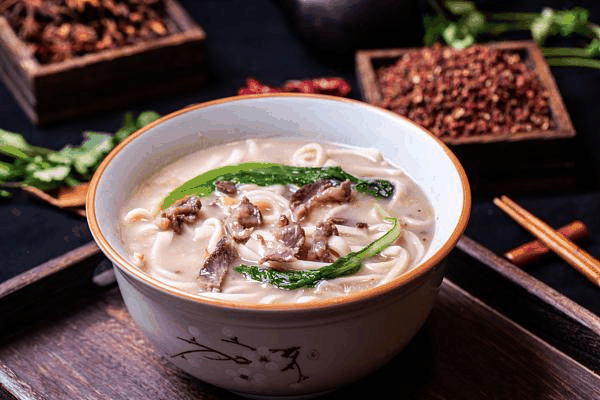
- Braised Noodles (烩面): Wide, hand-pulled noodles served in a rich mutton broth with tender lamb, quail eggs, and black fungus. It is a hearty and iconic Henan comfort food.
Shaanxi Cuisine (陕菜): Bold Flavors of the Ancient Capital
Shaanxi Cuisine, or Qin Cai (陕菜), reflects the rugged landscape and long history of the province that was once the seat of many ancient dynasties. The flavors are bold, complex, and direct, with a prominent use of vinegar, chili, and garlic to create its signature “sour and spicy” (酸辣) profile. Lamb and beef are staple proteins, a nod to the region’s historical connection to the Silk Road.
This regional style emphasizes hearty, satisfying dishes that are often carbohydrate-heavy. Techniques like stewing, steaming, and stir-frying are common, producing robust and aromatic meals.
Famous Shaanxi Dishes
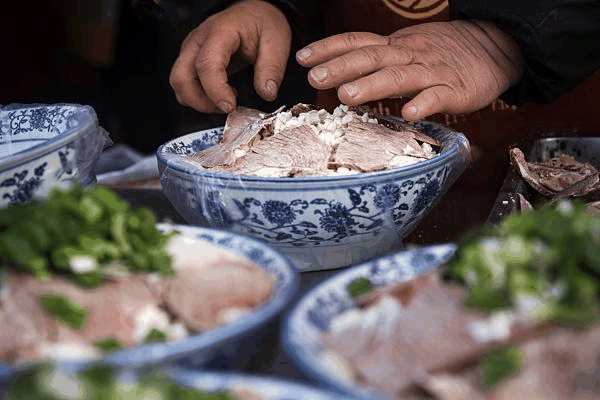
- Pita Bread Soaked in Lamb Soup (羊肉泡馍): A famous Xi’an specialty where diners break a firm, unleavened flatbread into a bowl, which is then filled with a fragrant lamb soup and tender meat.
- Biangbiang Noodles: Famous for their width and length, these hand-pulled noodles are often served “dry” with a topping of chili oil, scallions, and sizzled garlic. The name itself is an onomatopoeia for the sound of the dough being slapped on the counter.
- Roujiamo (肉夹馍): Often called a “Chinese hamburger,” this popular street food consists of a crispy, baked flatbread stuffed with succulent, slow-braised pork or beef.
Shanxi Cuisine (晋菜): The Art of Vinegar
In China, Shanxi province is synonymous with one thing: aged vinegar. Jin Cai (晋菜), the local cuisine, masterfully incorporates this signature ingredient, creating dishes that are fragrant, sour, and deeply savory. As a northern regional style, it shares some characteristics with its neighbors, including a reliance on wheat-based noodles and breads.
The cuisine is known for its “salty-fragrant” base, often enhanced by the bright acidity of vinegar. Cooking techniques such as “guo” (over-the-oil) and “shao” (braising) are prominent, giving many dishes a rich color and texture.
Famous Shanxi Dishes
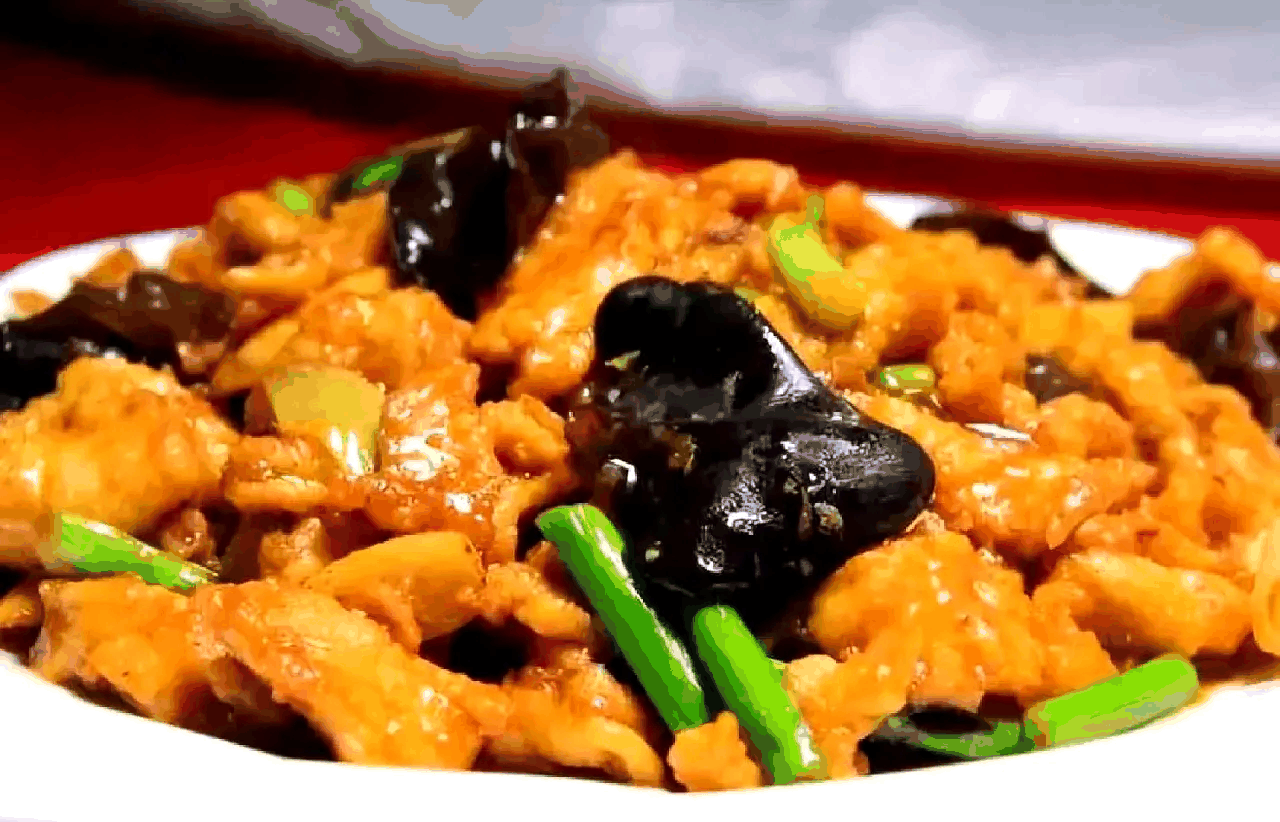
- Over-the-Oil Pork Slices (过油肉): A classic Shanxi dish where thinly sliced pork is quickly passed through hot oil before being stir-fried with wood ear mushrooms, garlic, and a signature vinegar sauce.
- Sliced Noodles (刀削面): A theatrical preparation where a chef shaves noodles directly from a block of dough into boiling water. The resulting noodles are thick in the middle and thin on the edges, perfect for catching sauce.
- Vinegar-Drenched Lamb (醋浇羊肉): This dish highlights the perfect pairing of rich lamb with the sharp, aromatic complexity of Shanxi’s aged vinegar.
Anhui Cuisine (徽菜): The Taste of the Mountains
Anhui Cuisine, or Hui Cai (徽菜), originates from the mountainous region of ancient Huizhou. It is a rustic and natural style of cooking that relies heavily on local ingredients from the mountains and forests, such as wild herbs, bamboo shoots, mushrooms, and game. The cuisine is famous for its emphasis on “wok hei” (火功), or the control of heat, and its masterful use of stewing, braising, and steaming.
Hui Cai is known for being heavy on oil and color, with many dishes featuring rich, dark sauces. Fermentation is also a key characteristic, resulting in some of the cuisine’s most famous and pungent flavors.
Famous Anhui Dishes
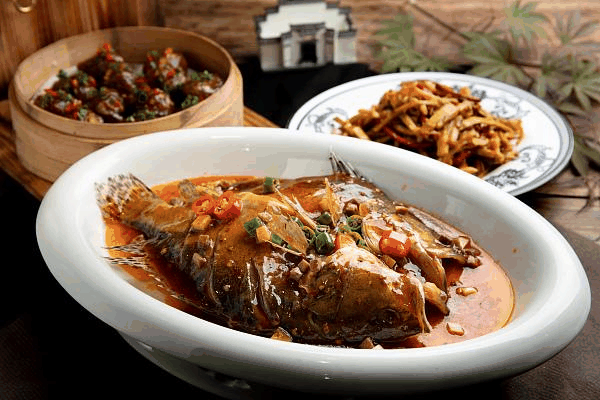
- Fermented Mandarin Fish (臭鳜鱼): This iconic dish, also known as “Stinky Mandarin Fish,” features a lightly fermented fish that is then braised in a savory sauce. Despite its strong aroma, the flesh is incredibly tender and flavorful.
- Hui-Style Hairy Tofu (毛豆腐): A special type of tofu that is fermented until it grows a layer of edible white “hair.” It is then pan-fried and served with a spicy, savory sauce.
- Ham Stewed with Soft-Shelled Turtle (火腿炖甲鱼): A luxurious and nourishing soup that combines the salty umami of Jinhua ham with the delicate meat of soft-shelled turtle.
Fujian Cuisine (闽菜): The Bounty of the Sea
Fujian Cuisine, or Min Cai (闽菜), comes from the coastal province of Fujian and is celebrated for its exquisite handling of seafood. The style is defined by its light, fresh, and umami-rich flavors, with a particular emphasis on the quality of its broths and soups. It is often said in China that “a soup can make or break a Fujian meal.”
The cuisine often uses “jiu” (酒), or cooking wine lees, to add a unique, fragrant aroma to its dishes. Common cooking methods include steaming, simmering, and stir-frying to preserve the natural taste of the ingredients.
Famous Fujian Dishes
- Buddha Jumps Over the Wall (佛跳墙): A world-renowned delicacy, this complex soup involves dozens of high-quality ingredients, including abalone, sea cucumber, shark fin, and scallops, all slow-cooked for days in a wine jar.
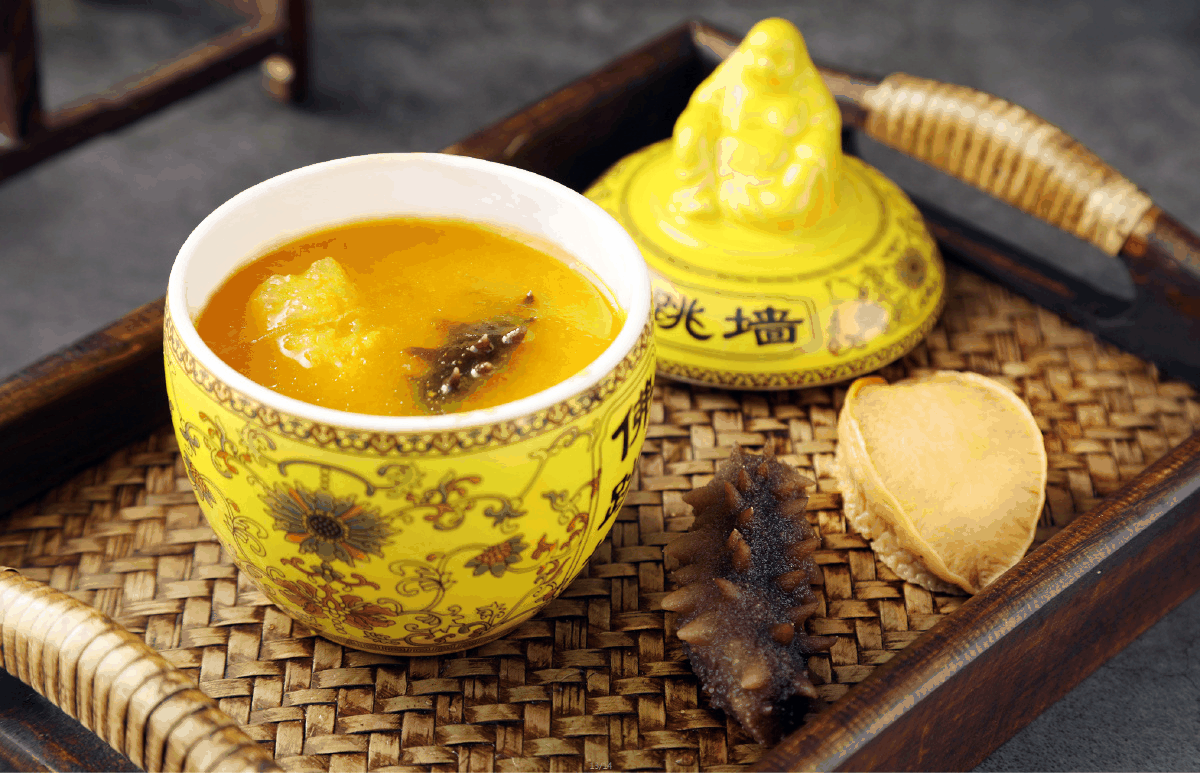
- Lychee Pork (荔枝肉): A sweet and sour pork dish where pieces of pork are cut and fried to resemble lychee fruit, then coated in a tangy red sauce.
- Chicken Soup with Sea Clams (鸡汤氽海蚌): A dish that perfectly embodies the Fujian philosophy of freshness, where paper-thin slices of fresh sea clam are cooked instantly by pouring a boiling-hot, clear chicken broth over them.
Conclusion
Exploring these lesser-known regional cuisines reveals the true depth and sophistication of Chinese food culture. From the hearty broths of Henan to the coastal delicacies of Fujian, each style tells a story about its people, its history, and its land. The next time you seek out Chinese food, dare to venture beyond the familiar and discover the rich tapestry of flavors that makes up one of the world’s greatest culinary traditions.