Quick Tips for Exploring China’s National Parks
- Plan for altitude: Parks like Sanjiangyuan sit at extreme elevations; acclimatize properly before your trip to prevent altitude sickness and ensure a comfortable visit.
- Respect wildlife corridors: Stick strictly to designated trails, especially in the Giant Panda and Tiger/Leopard parks, to avoid disrupting crucial animal habitats and migration routes.
- Time your visit wisely: Climate varies drastically across the country. Visit the tropical Hainan park during the winter for mild weather, but head to Wuyishan during the cool, dry autumn months.
The First Five: Pioneers of China’s National Park System
In late 2021, China formally established its first batch of national parks. These areas cover varied terrains and serve as the backbone of the country’s ecological protection strategy. They stand out on the global stage for their massive scale, targeted species recovery programs, and sheer geographic diversity.
Sanjiangyuan National Park: The Water Tower of Asia
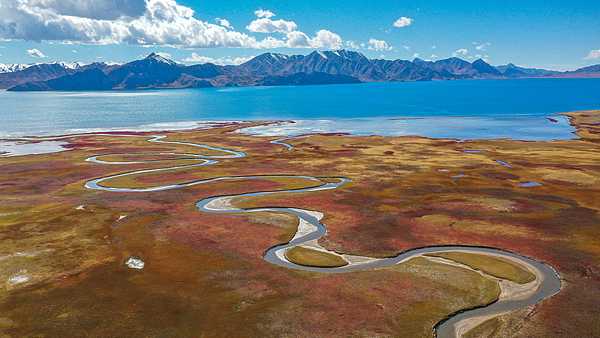
Sanjiangyuan, located in Qinghai Province on the Tibetan Plateau, translates to the “Source of Three Rivers.” This immense park protects the headwaters of the Yangtze, Yellow, and Mekong (Lancang) rivers. Spanning 363,000 square kilometers, it boasts an average elevation of over 4,000 meters. The park preserves fragile alpine ecosystems and protects critical water resources that sustain hundreds of millions of people downstream. Its high-altitude environment makes it a globally unique sanctuary for snow leopards, Tibetan antelopes, and wild yaks.
Giant Panda National Park: Connecting Fragmented Habitats
The Giant Panda National Park stretches across the central and northern parts of Sichuan Province, as well as southern Shaanxi and Gansu provinces. Covering 27,134 square kilometers, this park focuses entirely on the native habitat and breeding grounds of China’s most famous animal. Before its creation, wild pandas lived in isolated patches, which restricted genetic diversity. This park connects these fragmented habitats, building crucial ecological corridors that allow isolated panda populations to mingle, breed, and thrive safely.
Northeast China Tiger and Leopard National Park: Restoring Apex Predators
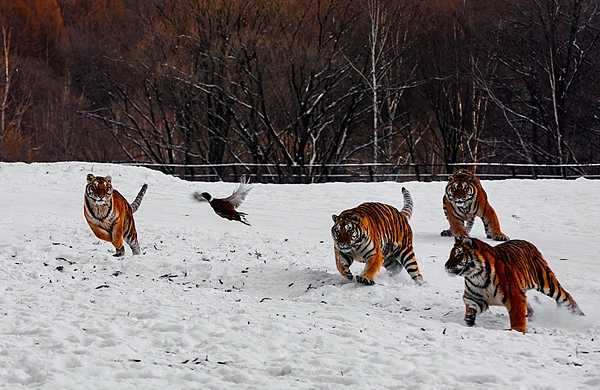
Situated across the expansive forests of Jilin and Heilongjiang provinces, this 14,600-square-kilometer park serves as the primary habitat for highly endangered Siberian tigers and Amur leopards. The park actively works to recover wild populations of these apex predators and ensure their stable reproduction. Furthermore, park management focuses on resolving conflicts between wildlife conservation and local community development, creating a sustainable model for humans and big cats to share the region safely.
Hainan Tropical Rainforest National Park: Island Biodiversity
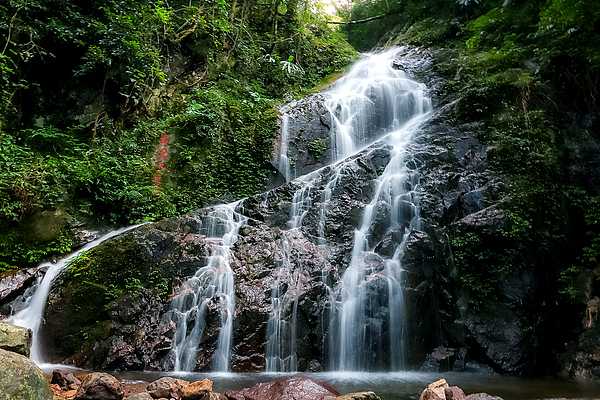
Located in the central and southern mountainous regions of Hainan Island, this park protects the authenticity and integrity of China’s most concentrated tropical rainforest ecosystem. It merges five national nature reserves—including Wuzhishan and Jianfengling—along with several provincial reserves and forest parks. This consolidation allows for streamlined protection of rare, endemic species, such as the critically endangered Hainan gibbon, ensuring this vital green lung remains intact for future generations.
Wuyishan National Park: A Dual World Heritage Site
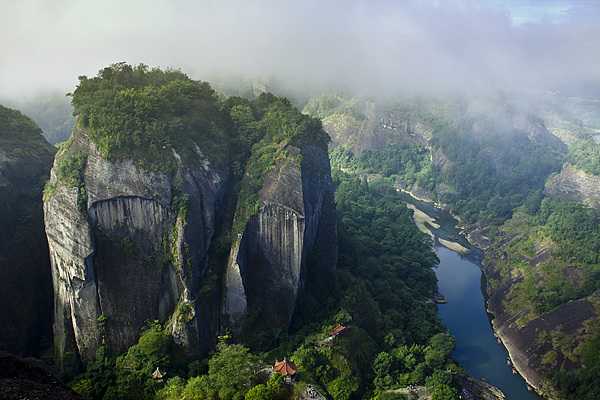
Nestled in the low mountain hills on the border of Fujian and Jiangxi provinces, Wuyishan National Park holds the prestigious title of a UNESCO World Cultural and Natural Heritage site. The park encompasses the Fujian Wuyishan National Nature Reserve, a prominent scenic area, and the upstream protection zone of the Jiuqu (Nine-Bend) Stream. Wuyishan stands out for its dramatic river gorges, dense subtropical forests, and deep historical ties to ancient Chinese philosophy and tea culture.
Expanding the Horizon: 44 Candidate National Parks
To build the world’s largest national park system, China has identified 44 candidate areas. These regions represent specific ecological zones and geographic wonders. Here is a brief look at these future national parks.
North China Temperate Monsoon Region
- Yanshan-Saihanba National Park: Protects temperate forests and serves as a vital ecological barrier for the Beijing-Tianjin-Hebei region.
- Taihang Mountain National Park: Shelters warm temperate deciduous broad-leaved forests and marks the northernmost limit of wild macaques on Earth.
- Daqingshan National Park: Forms a critical ecological boundary between monsoon and non-monsoon zones with its diverse desert steppe and mountain forests.
- Changdao National Park: Acts as a crucial marine migration corridor for spotted seals traveling between the Bohai and Yellow seas.
- Yellow River Estuary National Park: Preserves the world’s most complete warm-temperate coastal wetland ecosystem and serves as a major bird migration hub.
Northeast Temperate Monsoon Region
- Hulunbuir National Park: Features pristine temperate steppes, highland wetlands, and crucial international breeding grounds for rare migratory birds.
- Songnen Crane Home National Park: Known as the “World Crane Hometown,” it protects vast, primitive wetland habitats for nine different crane species.
- Greater Khingan Range National Park: Safeguards China’s most intact cold-temperate primitive bright coniferous forests and endangered species like the original musk deer.
- Liaohe Estuary National Park: Boasts Asia’s largest reed marsh and unique red beach landscapes, sheltering rare birds and seals.
- Changbai Mountain National Park: Showcases spectacular volcanic landforms, glacial geology, and acts as the source for three major rivers.
- Lesser Khingan Range National Park: Protects half of China’s total Korean pine reserves within its expansive mixed coniferous-broadleaved forests.
East China Region
- Nanji Islands National Park: Protects a subtropical marine and island ecosystem featuring a highly concentrated distribution of marine shellfish and algae.
- Qianjiangyuan-Baishanzu National Park: Safeguards the headwaters of major eastern rivers and endangered species like the Baishanzu fir.
- Huangshan (Guniujiang) National Park: Combines mid-subtropical evergreen broad-leaved forests with world-famous natural landscapes of unique pines, rocks, and clouds.
- Jinggangshan National Park: Preserves the world’s most complete mid-subtropical natural evergreen broad-leaved forest at its specific latitude.
Central China Region
- Shennongjia National Park: Features the largest and oldest subalpine peat moss swamp in the northern subtropics, serving as a primary habitat for golden monkeys.
- Zhangjiajie National Park: Displays globally rare quartz sandstone peak forest landforms alongside ancient, primitive plant communities.
- Nanshan National Park: Serves as a critical southern water conservation area and a rich biological gene bank in the Yangtze River basin.
South China Region
- Lingnan National Park: Acts as a geographical dividing line between river basins and climate zones while protecting crucial subtropical forests.
- Danxiashan National Park: The namesake of “Danxia landforms,” it protects primitive monsoon forests and unique red cliff landscapes.
- Southwest Karst National Park: Represents the world’s most typical karst landforms and native subtropical karst forest ecosystems.
- Tropical Ocean National Park: Protects concentrated coral reef ecosystems and rare marine species like the green sea turtle around Hainan.
Southwest Region
- Gongga Mountain National Park: Known as the “King of Shu Mountains,” it preserves modern glaciers and a highly important species gene bank.
- Zoige National Park: Safeguards the world’s largest and most intact plateau peat swamp, a vital habitat for rare waterbirds.
- Fanjingshan National Park: Protects a rare subtropical native ecosystem and serves as the exclusive habitat for the Guizhou golden monkey.
- Asian Elephant National Park: Acts as the sole distribution area for flagship Asian elephants within China’s diverse tropical forest zones.
- Ailao Mountain National Park: Features highly diverse animal life, including the western black crested gibbon, alongside historical tea horse trails.
- Shangri-La National Park: Serves as a wintering habitat for black-necked cranes within pristine high-altitude coniferous forests.
- Gaoligong Mountain National Park: Houses the highest-altitude tropical rainforest at its latitude and functions as a world-class species gene bank.
- Mount Kailash (Gangrenboqi) National Park: Combines sacred highland lakes and mountains with the world’s most extensive earth forest landforms.
- Qiangtang National Park: Forms the core of the Tibetan Plateau, boasting the highest inland lakes and large populations of Tibetan antelopes.
- Mount Everest (Zhumulangma) National Park: Showcases the world’s highest peaks and a spectacular, globally significant gradient of high-mountain ecosystems.
- Yarlung Zangbo Grand Canyon National Park: The deepest canyon on Earth, renowned as a natural museum of diverse mountain forest ecosystems.
Northwest Region
- Qinling National Park: Provides a critical water conservation barrier and habitat for rare species like giant pandas and crested ibises.
- Qilian Mountain National Park: Serves as an essential ecological security barrier and water replenishment area for the arid Hexi Corridor.
- Helan Mountain National Park: Represents a typical dividing line for arid desert steppes while protecting diverse wildlife and dinosaur fossils.
- Liupan Mountain National Park: Contains the highest-altitude Danxia landforms in China and plays a vital role in regional water conservation.
- Badain Jaran National Park: Features diverse desert, gobi, and canyon landscapes alongside one of the world’s major Populus euphratica forests.
- Qinghai Lake National Park: Protects China’s largest inland saltwater lake, functioning as a crucial bird breeding ground and Przewalski’s gazelle habitat.
- Tianshan National Park: Shelters snow leopards and brown bears amid modern glaciers, ancient fossils, and temperate coniferous forests.
- Kalamaili National Park: Acts as a vital habitat for wild ungulates like the Mongolian wild ass and a major western bird migration route.
- Altai Mountain National Park: Represents China’s only European-Siberian biological zone, extending the Siberian taiga forest southwards.
- Kunlun Mountain National Park: Functions as a unique glacier museum rich in high-cold meadow biodiversity and protected highland species.
- Tarim National Park: Preserves the world’s largest, most concentrated, and intact natural Populus euphratica forest within a desert ecosystem.
Conclusion
China’s national park system provides an incredible framework for protecting global biodiversity and natural heritage. By establishing the first five parks, the nation successfully secured crucial habitats for endangered species and protected major water sources. As the country moves forward with its 44 candidate parks, travelers and conservationists alike will have unprecedented opportunities to witness the rare beauty and ecological richness that make China’s landscapes truly unique.