
Key Points
- Yiwu has shifted from a traditional wholesale market toward a digitally enabled global trade hub.
- The Yiwu Global Digital Trade Center officially opened in October 2025, marking a major step in digital trade integration.
- New logistics models, including 72 hour direct freight routes to Europe and the United States, have shortened delivery times.
- Customs facilitation and policy support continue to lower transaction costs for small commodity exporters.
- Yiwu’s competitiveness lies in scale, efficiency, and connectivity rather than branding or high end manufacturing.
1. From Local Marketplace to Global Trade Node
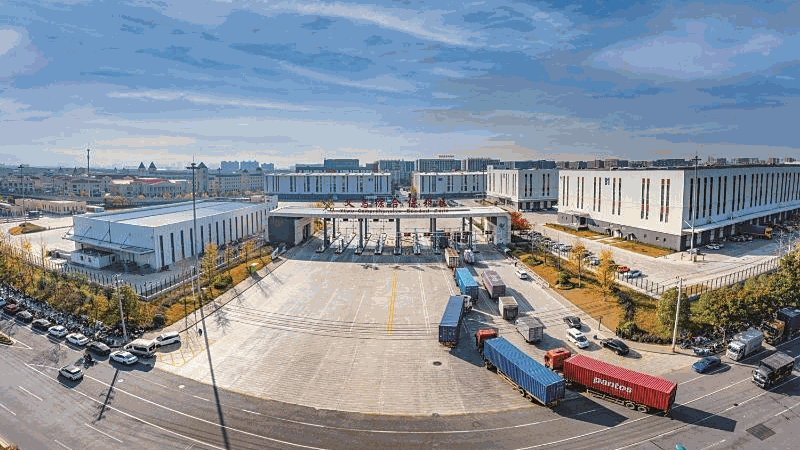
Yiwu’s rise began as a wholesale hub for small commodities, attracting buyers from emerging and developing markets looking for affordable consumer goods. Over time, dense supplier networks, standardized pricing, and high transaction efficiency helped the city become a major global sourcing destination.
Rather than relying on a single industry, Yiwu developed strength through aggregation. Tens of thousands of merchants and millions of product categories formed a trading ecosystem optimized for volume and speed.
2. Digital Trade Becomes a Core Pillar
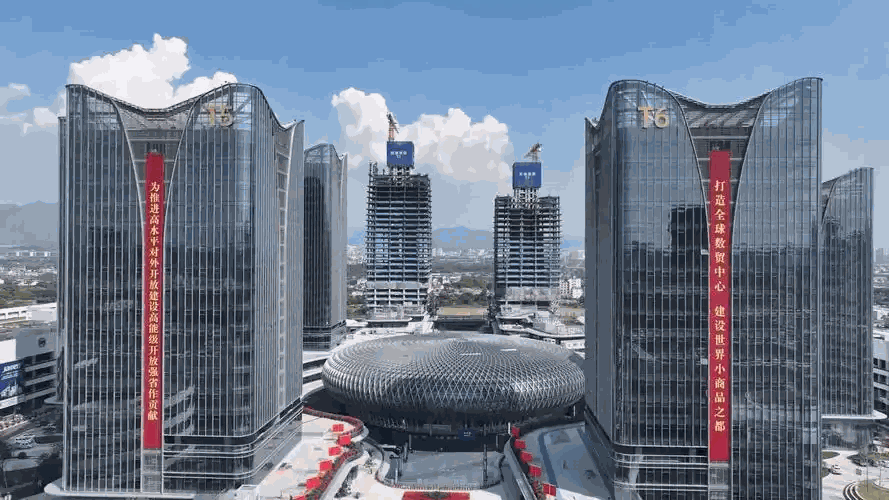
A major turning point came with the official opening of the Yiwu Global Digital Trade Center in October 2025. The project represents a shift from purely physical trading toward an integrated digital trade ecosystem.
Covering more than one million square meters, the complex brings together exhibition areas, offices, commercial services, and digital trade infrastructure. Its goal is to link offline transactions with online platforms, digital settlement systems, and cross border compliance tools, rather than replacing traditional markets.
3. Logistics Innovation and Faster Global Delivery
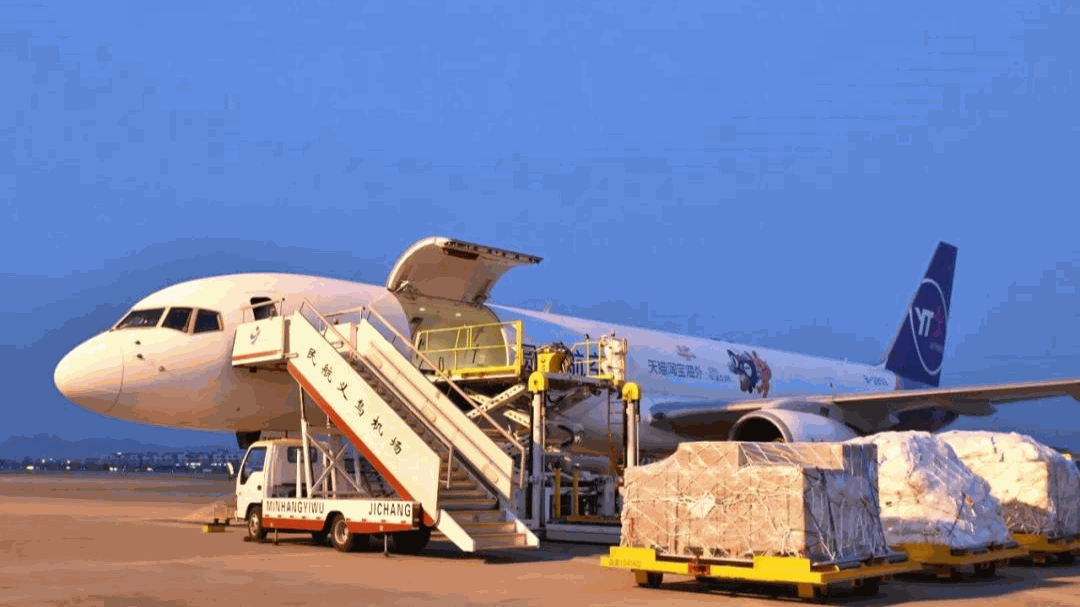
Yiwu has also focused on logistics efficiency as a competitive advantage. One recent development is the launch of direct air freight routes that allow goods to reach Europe and the United States within 72 hours.
This logistics model reduces transit time for small, high frequency orders and supports cross border e commerce merchants. Together with China Europe freight trains and bonded logistics zones, faster air routes strengthen Yiwu’s role as a global distribution center rather than only a sourcing market.
4. Policy Support and Trade Facilitation
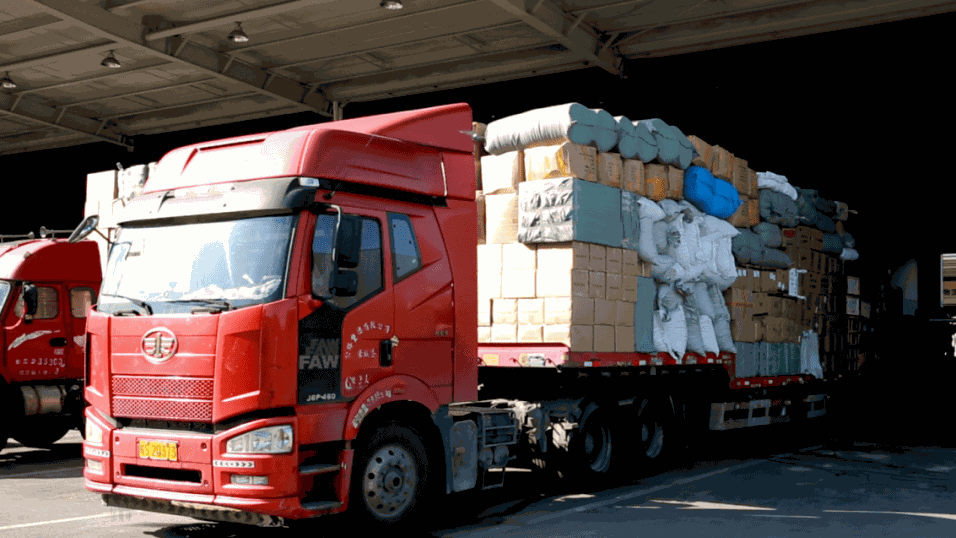
Institutional reform has played a central role in Yiwu’s development. Simplified customs procedures, digital clearance systems, and flexible export supervision for small parcels have reduced administrative costs for traders.
Support for multi currency settlement and cross border e commerce has made it easier for small and medium sized businesses to participate in global trade, reinforcing Yiwu’s position in high volume, low margin transactions.
5. Yiwu’s Position in Global Trade Today
Yiwu now connects buyers and sellers across more than 200 countries and regions. Its trade model is not based on advanced manufacturing or global brands, but on efficient coordination between markets, logistics providers, and digital platforms.
As global supply chains adjust to higher uncertainty, Yiwu’s ability to move everyday goods quickly and at scale has become increasingly valuable.
Conclusion
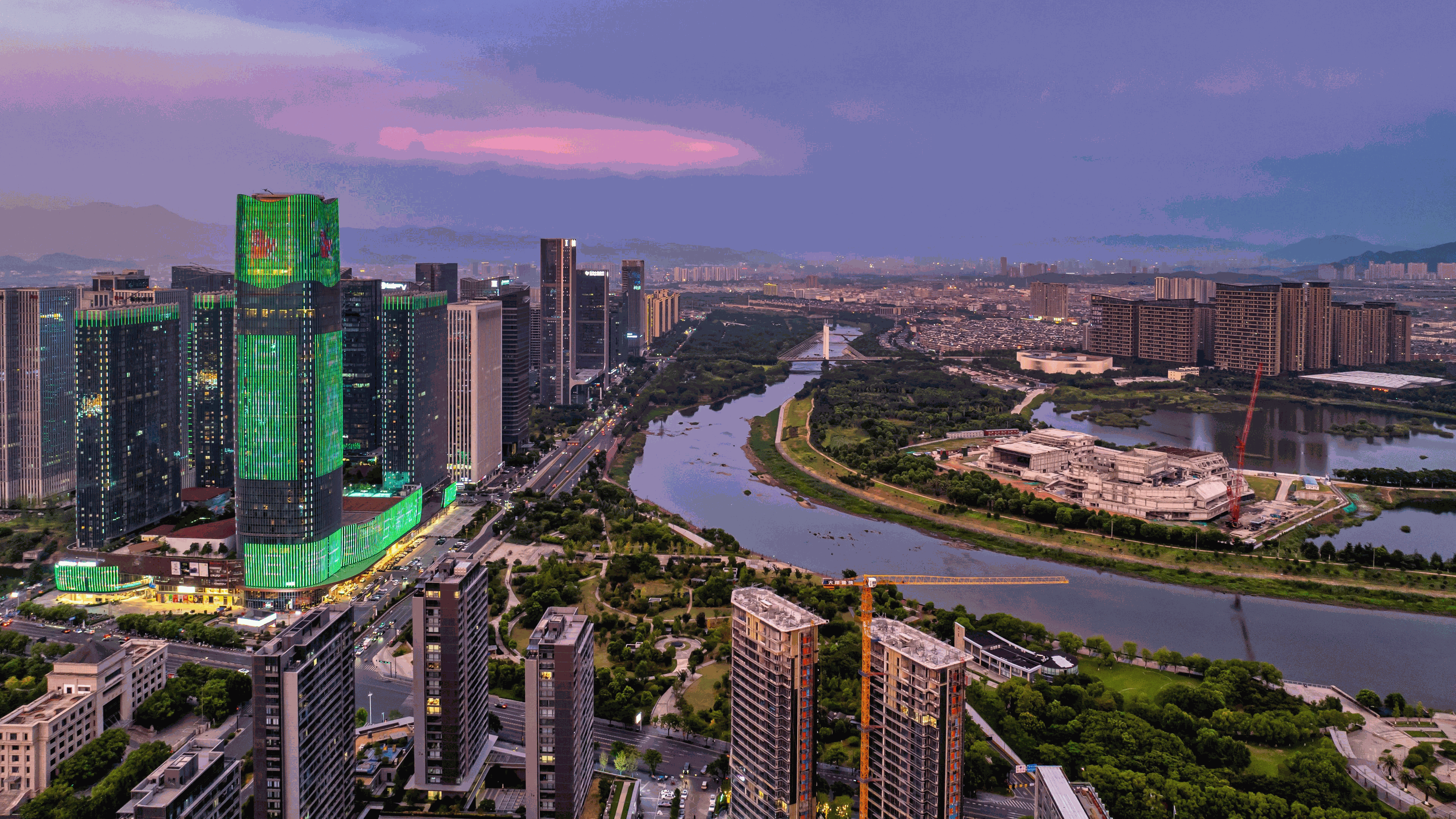
Yiwu’s transformation shows how a traditional trading city can adapt to global commerce through digitalization, logistics upgrades, and institutional support. By combining physical markets with digital trade systems and faster international delivery, Yiwu has become an important infrastructure node in global small commodity trade.
Rather than focusing on headline grabbing innovations, Yiwu has built systems that quietly support daily cross border commerce, shaping how goods move worldwide.