
Key Points
- A social media trend known as “Becoming Chinese” is gaining popularity among young people worldwide.
- The trend centers on daily habits such as warm drinks, traditional exercises, and structured routines.
- It reflects growing interest in Chinese ideas of balance, moderation, and long-term well-being.
- Lifestyle-based cultural exchange is emerging as a powerful, informal form of global connection.
A Lifestyle Trend, Not an Identity Shift
In early 2026, a phrase began appearing repeatedly across TikTok, Instagram, and YouTube: “You met me at a very Chinese time in my life.”
Despite its wording, the phrase does not refer to nationality or ethnicity. Instead, it signals a personal shift toward what many young people describe as a “Chinese lifestyle”—a collection of everyday practices associated with physical care, emotional balance, and order in daily life.
From Berlin to New York, young users are posting videos of themselves replacing iced coffee with warm drinks, reorganizing their homes, and slowing down their exercise routines. Online, this loose collection of habits has come to be labeled “Becoming Chinese.”
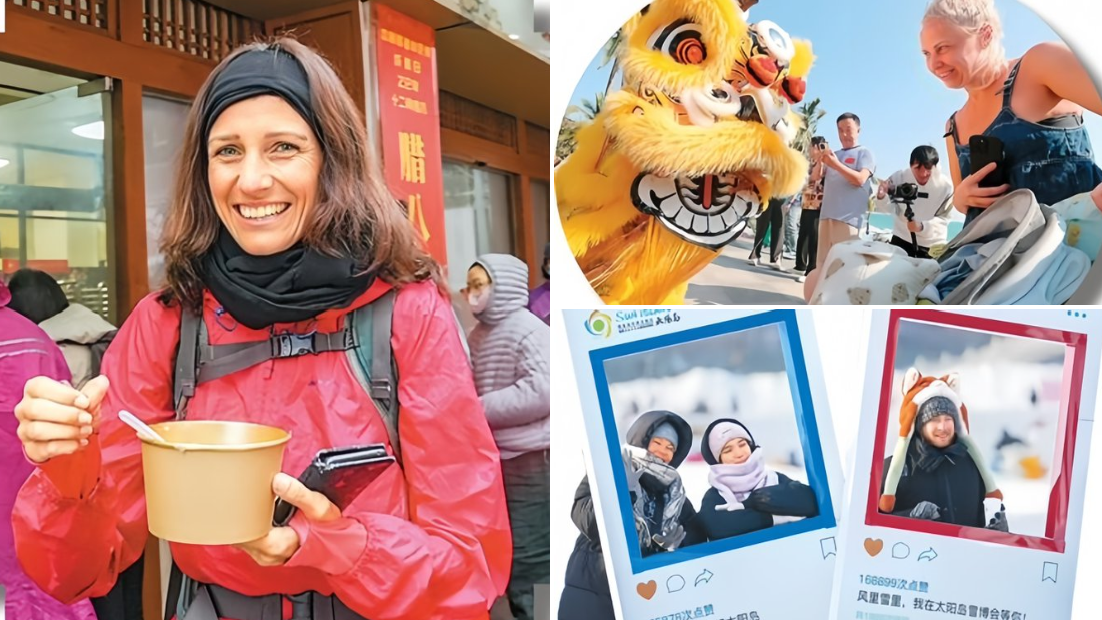
What Does “Becoming Chinese” Look Like Online?
The trend is defined less by ideology and more by highly specific, repeatable details that make it instantly recognizable on social media.
Warm drinks and daily care
Many creators now carry insulated bottles filled with warm water or light herbal infusions. Ingredients such as goji berries and red dates are often mentioned, not as medical prescriptions, but as symbols of daily self-care and attentiveness to the body.
Domestic order and comfort
Removing shoes indoors and changing into padded house slippers has become a common visual motif. Rice cookers, in particular, have gained popularity, with tutorials explaining how to prepare rice properly rather than relying on pre-packaged alternatives.
Slow movement over intensity
Instead of high-intensity workouts, practices such as Baduanjin and Tai Chi are increasingly featured. Creators often describe these exercises as calming, accessible, and supportive of long-term physical and mental health.
An emotional shorthand
Online, “Becoming Chinese” functions as an emotional label. It often marks a transition away from chaotic, fast-paced routines toward a more structured and intentional way of living.
Why Is This Resonating Now?
The rise of this trend coincides with broader conversations about stress, burnout, and sustainability in daily life—especially among younger generations.
Many young people in Western societies report fatigue from high-pressure work cultures and constant digital stimulation. Against this backdrop, Chinese lifestyle concepts emphasizing moderation, prevention, and alignment with natural rhythms are perceived as practical and achievable.
Importantly, this interest has not been driven by formal cultural campaigns. Instead, it has spread through individual creators, including many from the Chinese diaspora, who share personal routines with humor and simplicity. By framing traditional habits as everyday solutions rather than abstract philosophy, they make them accessible to a global audience.
At the same time, growing familiarity with Chinese consumer technology and household products has subtly reinforced the association between Chinese design and practical problem-solving, further shaping curiosity about the values behind these routines.
Lifestyle as a Form of Cultural Exchange
What makes the “Becoming Chinese” phenomenon distinctive is its ordinariness. It is not centered on historical monuments or formal traditions, but on how people drink water, move their bodies, and organize their homes.
While online expressions of the trend are often simplified or lighthearted, its popularity suggests a broader global curiosity about practical wisdom rooted in Chinese culture. Rather than imitation, it reflects selective learning—adapting habits that feel useful in addressing modern stress and uncertainty.
A Quiet Shift in Cultural Influence
The spread of “Becoming Chinese” highlights a subtle but meaningful shift in how culture travels globally. Instead of being transmitted through spectacle or official narratives, influence increasingly moves through everyday practices that promise tangible improvements to daily life.
For many young people, Chinese-inspired routines offer not an identity to adopt, but tools to live better. In a globalized world facing shared challenges, this form of lifestyle-based exchange may prove to be one of the most effective—and relatable—ways cultures connect.