
Quick Tips for International Travelers Visiting Zhangjiajie
- Prepare your digital wallet: Set up international payment options on Alipay or WeChat Pay before you arrive. Most vendors, ticket offices, and restaurants in the area operate completely cashless.
- Pack for unpredictable weather: The mountainous terrain means weather can change rapidly. Bring moisture-wicking layers, a lightweight waterproof jacket, and sturdy, well-broken-in hiking boots for the thousands of stone steps.
- Leverage the off-peak hours: To avoid massive domestic tour groups, start your day right when the park gates open, or visit in the late afternoon. The lighting during these times also offers the best photography conditions.
The Allure of the Avatar Mountains
When international visitors ask why Zhangjiajie has exploded in popularity, the answer usually begins with its almost extraterrestrial landscape. Located in the northwestern part of Hunan Province, this region boasts a topography unlike anywhere else on Earth. The core of this appeal lies within the Wulingyuan Scenic and Historic Interest Area, a UNESCO World Heritage site recognized for its unparalleled natural beauty.
A Geological Masterpiece
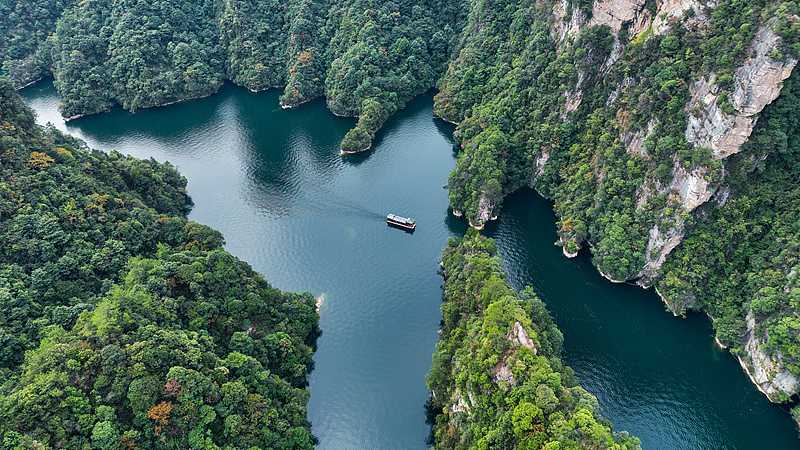
The signature feature of Zhangjiajie is its massive forest of quartzite sandstone pillars. Over 3,000 of these towering monoliths pierce the sky, some reaching heights of over 800 meters. Millions of years of water erosion, physical weathering, and expanding ice created these dramatic formations. Dense foliage clings to the vertical rock faces, while waterfalls and streams weave through the deep ravines below.
When heavy mist rolls through the valleys, the bases of the stone pillars disappear. This creates an optical illusion where the mountain peaks seem to float freely in the sky. For geologists and nature lovers alike, this rare karst-like topography presents an awe-inspiring spectacle that simply cannot be replicated by human engineering.
Hollywood’s Muse and Global Recognition
While the park has always been a revered destination within China, its global fame skyrocketed following the release of James Cameron’s blockbuster film, Avatar. The film’s production team used the towering pillars of Zhangjiajie as the direct visual inspiration for the floating Hallelujah Mountains of Pandora.
To capitalize on this global phenomenon, local authorities even officially renamed the “Southern Sky Column” to the “Avatar Hallelujah Mountain.” This brilliant piece of cultural marketing bridged the gap between Chinese natural heritage and Western pop culture. It gave international tourists a familiar reference point, transforming an obscure Chinese national park into a bucket-list destination for millions of movie fans and global adventurers.
Government Initiatives Driving Global Tourism
A beautiful landscape alone is not enough to sustain massive international tourism. The local and provincial governments recognized the immense potential of Zhangjiajie and launched aggressive initiatives to transform it into a world-class, foreigner-friendly destination.
Expanding International Flight Routes
Historically, reaching the mountainous regions of Hunan required multiple layovers and complex train journeys. Today, the government has heavily subsidized and promoted the expansion of international aviation networks. Zhangjiajie Hehua International Airport has rapidly increased its direct flight connections to major Asian hubs, including South Korea, Thailand, Vietnam, and Malaysia.
By establishing these direct international corridors, the local government has drastically reduced travel friction. Furthermore, the broader implementation of China’s 144-hour visa-free transit policy in various regions has encouraged international tourists to add Zhangjiajie to their broader Asian itineraries. The strategic positioning of Zhangjiajie as an accessible gateway to China’s natural wonders has directly fueled its ongoing popularity boom.
Multilingual and Traveler-Friendly Facilities
Understanding that language barriers often deter international travelers, Zhangjiajie has undergone a comprehensive infrastructure upgrade. The local tourism board has systematically replaced and upgraded signage throughout the national park, ensuring that directions, safety warnings, and historical context are accurately translated into English, Korean, Japanese, and other major languages.
Beyond physical signs, the tourist service centers now employ multilingual staff to assist with ticketing, route planning, and emergency services. Audio guides and smartphone applications have been developed specifically for overseas visitors, offering GPS-guided tours in multiple languages. By prioritizing cross-cultural communication, Zhangjiajie ensures that international tourists feel welcome, safe, and independent while navigating the vast mountain ranges.
The Future Advantages of Zhangjiajie
Looking ahead, Zhangjiajie is positioning itself not just as a scenic backdrop, but as a hub for extreme sports, eco-tourism, and technological integration. This forward-thinking approach gives it a massive advantage over more traditional, static tourist destinations.
The introduction of architectural marvels like the Zhangjiajie Grand Canyon Glass Bridge and the Bailong Elevator (the world’s tallest outdoor elevator) demonstrates a commitment to blending extreme human engineering with raw natural beauty. These attractions constantly generate viral social media content, ensuring that the destination remains relevant and exciting for younger, thrill-seeking demographics.
Furthermore, the government is heavily investing in sustainable tourism practices. By mandating eco-friendly shuttle buses within the park and limiting daily visitor caps during peak seasons, Zhangjiajie is protecting its delicate ecosystem while upgrading the visitor experience. This commitment to sustainability appeals strongly to the modern, environmentally conscious international traveler.
Practical Travel Advice for International Visitors
While Zhangjiajie is increasingly accessible, traveling to a remote mountainous region in China still requires careful preparation. Understanding the local nuances will ensure your trip is memorable for the right reasons.
Navigating the Crowds and Seasons
Zhangjiajie is incredibly popular with domestic tourists, which means crowd management is an essential part of your trip. The park experiences massive surges in attendance during Chinese national holidays, specifically the first week of May (Labor Day) and the first week of October (National Day). International visitors should absolutely avoid these weeks.
The best times to visit are during the shoulder seasons: mid-April to late May, and September to late October. During these months, the weather is mild, the skies are generally clearer, and the crowds are manageable. Winter offers a stunning, snow-covered landscape that is practically empty, though some high-altitude walkways may be closed for safety.
Understanding the Park Layout
Zhangjiajie is not a single park, but a massive scenic area comprised of several distinct zones. The main area is the Wulingyuan Scenic Area, which includes Zhangjiajie National Forest Park, Yuanjiajie, and Tianzi Mountain. Another completely separate attraction is Tianmen Mountain, located closer to the city center, famous for its heaven-reaching arch and terrifying glass skywalks.
Do not attempt to see everything in one day. A proper exploration requires at least three to four days. Purchase a multi-day pass and group your itinerary geographically to minimize time spent on internal shuttle buses.
Embracing the Local Culture
To truly appreciate Zhangjiajie, step beyond the main tourist viewpoints. The region is home to several ethnic minorities, including the Tujia, Bai, and Miao people. Take the time to sample the local Hunan cuisine, which is famously spicy and rich in flavor. Try the smoked pork, bamboo shoot dishes, and locally grown mountain teas. Engaging with the local culture adds a layer of depth to your journey, transforming it from a simple sightseeing trip into a rich cross-cultural experience.
Conclusion
Zhangjiajie is popular because it perfectly merges otherworldly natural beauty with modern, accessible tourism infrastructure. Through the strategic expansion of international flights, the implementation of multilingual services, and a commitment to preserving its unique geological heritage, the region has successfully opened its doors to the world. For international travelers willing to prepare properly and embrace the adventure, Zhangjiajie offers an unforgettable journey into the heart of China’s most spectacular landscapes. Start planning your itinerary, pack your best walking shoes, and prepare to be amazed by the towering stone forests of the Avatar mountains.